AA
2006
No user ratings available yet
Diversity score: 5.6 out of 10

1956
Director
Tony Richardson, Karel Reisz
Runtime
22 minutes
Average Rating
No ratings yetSynopsis
A Free Cinema short documenting a night at the Wood Green Jazz Club, observing youth culture, music, and social dynamics through an unobtrusive, non-narrated style.
Overall Score
Fair
Category Breakdown
LGBTQ+ Representation
The film captures the burgeoning jazz subcultures of the 1950s, which historically offered spaces for non-normative social interactions. While specific identity declarations are absent, the setting implies a level of social inclusion.
Gender Representation
The documentary disrupts mid-century tropes by centering the social agency of young patrons. It de-emphasizes conventional gender hierarchies by focusing on communal, music-driven dynamics rather than domestic structures.
Racial & Ethnic Diversity
The jazz club setting serves as a site for racial intersectionality in 1956 Britain. The film captures cultural blending and diverse musical influences that challenge the era's typical social constraints.
Religious & Cultural Diversity
The film prioritizes secular, urban social spaces over traditional institutions like the church. By documenting youth culture, it validates social autonomy and a move toward experiential truth over institutional morality.
Disability Representation
There is no specific evidence regarding the portrayal of individuals with disabilities within the film.
Strengths
Areas for Improvement
AI Analysis
Momma Don't Allow is a vital piece of Free Cinema that captures the raw, unpolished energy of post-war British youth culture. By utilizing an unobtrusive, non-narrated style, the film allows the social dynamics of the Wood Green Jazz Club to speak for themselves. The documentary succeeds in documenting a period of social transition, moving away from studio-driven narratives toward a more authentic observation of urban life. It highlights the intersectional nature of jazz subcultures and the autonomy of a generation seeking identity outside traditional institutions. While the film lacks explicit character-driven agency or clear identity markers, its strength lies in its refusal to impose a scripted moral framework. It provides a nuanced look at the cultural blending and social rebellion defining the era.
2006
2021

2017
1974

2021
1985

1992
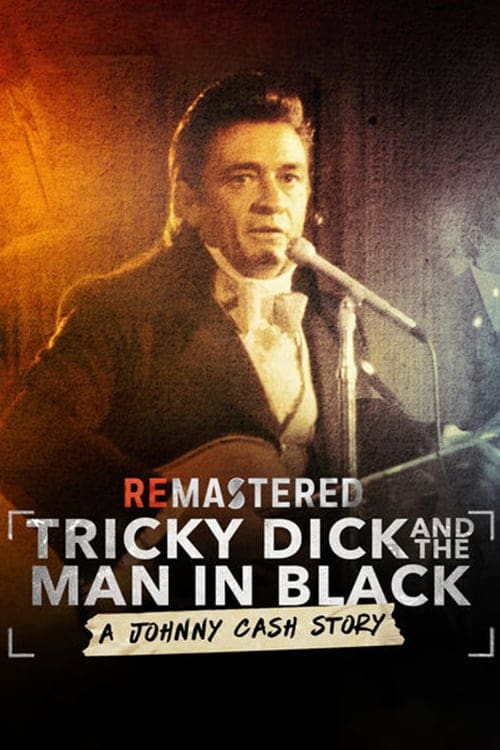
2018
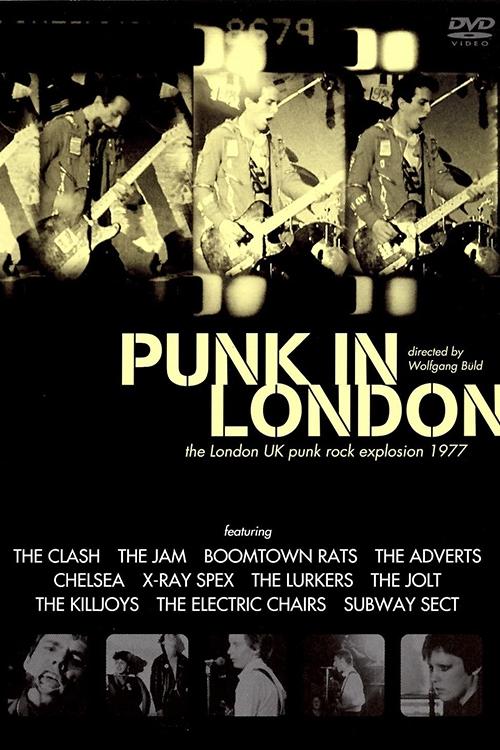
1977

2019
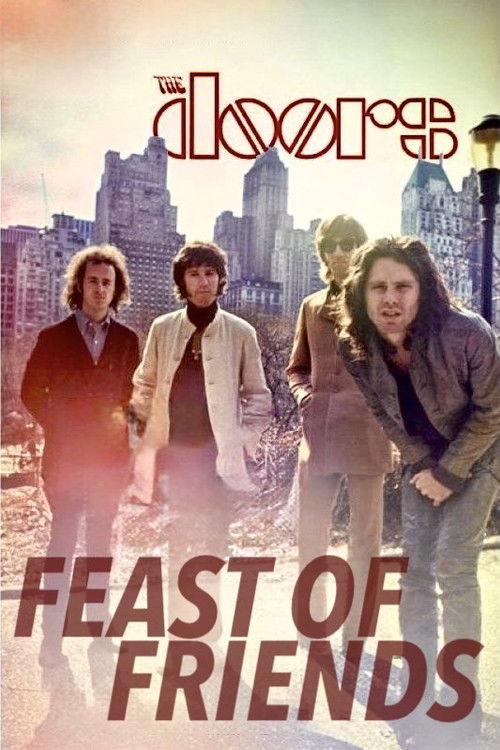
1969
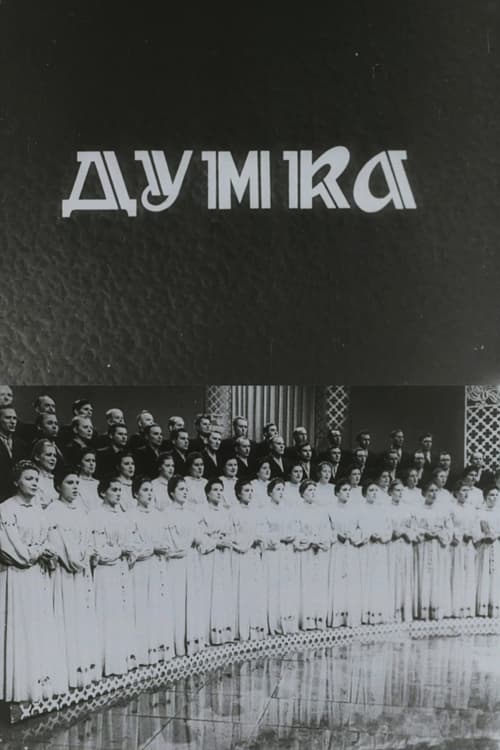
1957
No reviews yet. Be the first to share your thoughts on this movie!
Use the rating form above to leave a star rating and optional review.