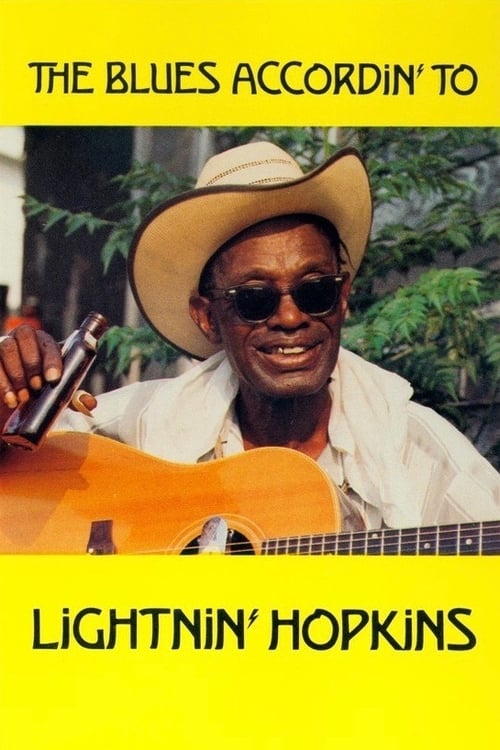
The Blues Accordin' to Lightnin' Hopkins
1968
No user ratings available yet
Diversity score: 5.1 out of 10
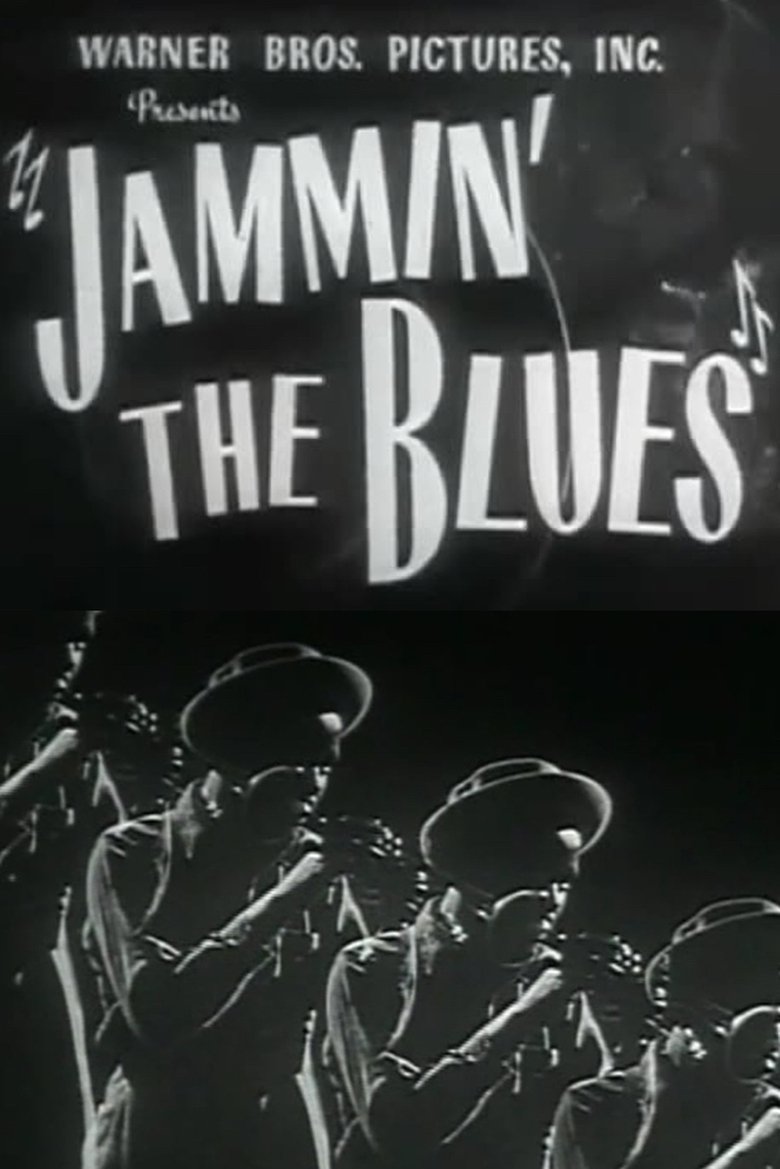
1944
Director
Gjon Mili
Runtime
10 minutes
Average Rating
No ratings yetSynopsis
In this short film, prominent jazz musicians of the 1940s gather for a rare filming of a jam session. This highly stylized chronicle features tenor sax legend Lester Young.
Overall Score
Fair
Category Breakdown
LGBTQ+ Representation
The film functions as a musical chronicle rather than a narrative feature. There are no depicted same-sex romantic pairings or non-cisnormative gender identities.
Gender Representation
The narrative is centered almost exclusively on the male-dominated jazz tradition of the 1940s. It lacks the presence of female agency or the subversion of gender hierarchies.
Racial & Ethnic Diversity
The film provides an exceptional depiction of Black agency and cultural depth. By centering an all-Black cast of virtuosos, it disrupts the era's tendency to relegate Black performers to the periphery.
Religious & Cultural Diversity
The film celebrates Black musical heritage, challenging monolithic Western musical standards. The focus on the blues offers a nuanced view of identity and soulful autonomy.
Disability Representation
There are no visible or invisible disabilities portrayed as central to the narrative or character arcs.
Strengths
Areas for Improvement
AI Analysis
Jammin' the Blues serves as a vital historical document that centers Black musical mastery. By focusing on virtuosos like Lester Young, the film provides a powerful counter-narrative to the racial hierarchies of the 1940s. However, the film's impact is limited by its narrow demographic scope. The absence of female performers and any LGBTQ+ representation keeps the diversity score in a moderate range. Ultimately, the work is a celebration of improvisational freedom and cultural autonomy, even if it remains confined to a specific, male-dominated musical tradition.
1968
2012
2016
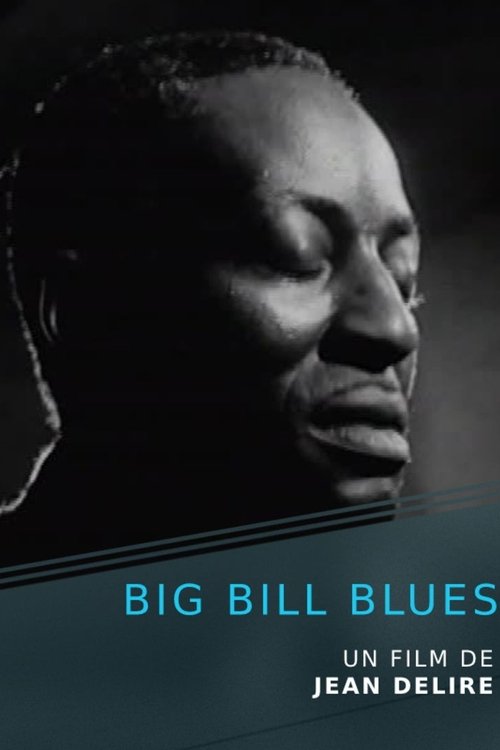
1957
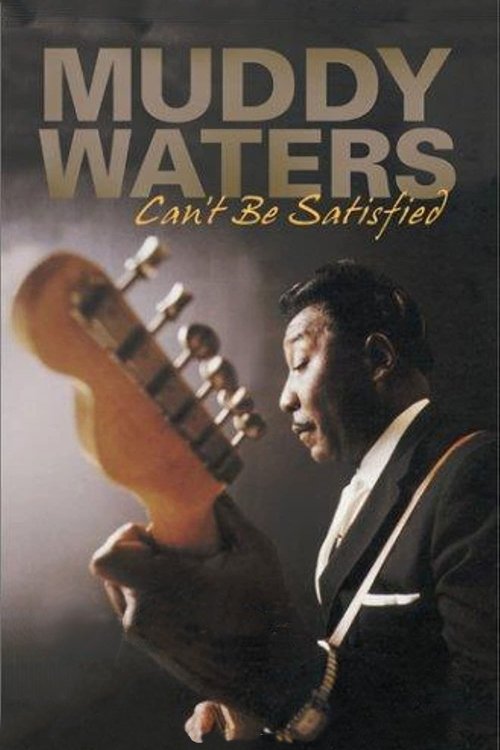
2003

2012
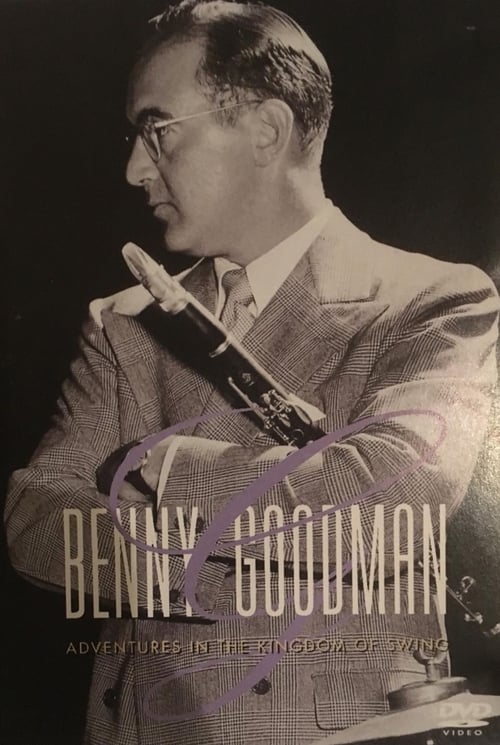
1993
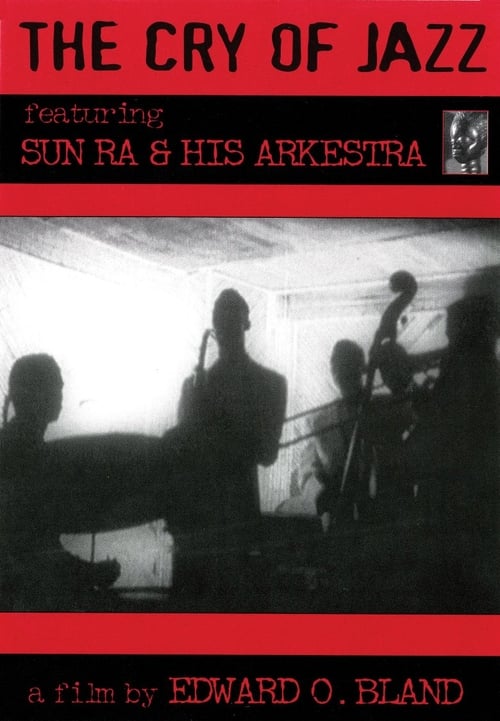
1959

1975
1997

2000
2014
No reviews yet. Be the first to share your thoughts on this movie!
Use the rating form above to leave a star rating and optional review.