Botschafter der Musik
1952
No user ratings available yet
Representation score: 0.5 out of 10
Representation Score
Fair
2020
Director
Sergei Loznitsa
Runtime
19 minutes
Average Rating
No ratings yetNew Showbiz Analysis
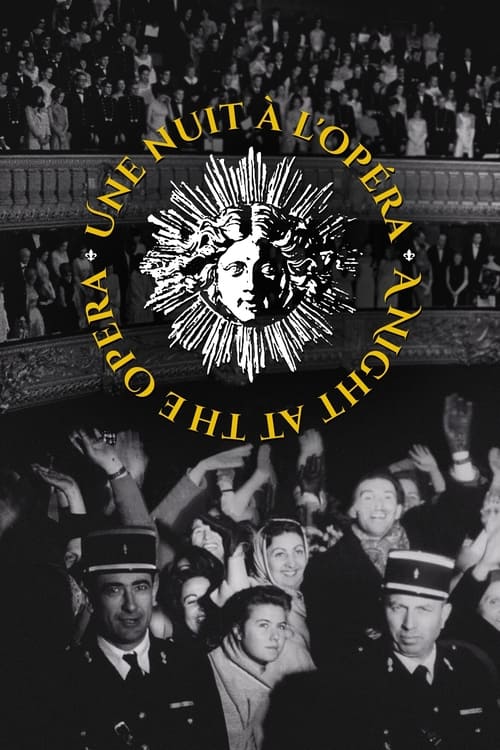
Sergei Loznitsa’s documentary serves as a fragmented, observational study of mid-century Parisian high society. It captures the textures of the Palais Garnier galas, acting more as a historical window than a tool for social change. The film is anchored in the rigid social and cultural hierarchies of the 1950s and '60s. It documents existing hierarchies rather than attempting to challenge or subvert them. While visually rich, the work lacks individual character's ability to drive the story and fails to provide representation for underrepresented identities, remaining firmly within a traditionalist framework.
Category Breakdown
The film focuses on the formal rituals of high society. It does not depict non-traditional gender identities or challenge assumptions about straight relationships.
Gender roles in the film reflect the social structures of the 1950s and '60s. The movie emphasizes traditional feminine and masculine roles during elite social events.
The film centers on the cultural norms of the French elite. It does not make a deliberate effort to include diverse racial or ethnic perspectives.
The film documents the preservation of traditional Western cultural hierarchies. It presents the spectacle of the Opera as a historical artifact.
There is no focus on neurodivergence or physical disabilities. The subjects are shown within the context of high-society physical norms.
Present on Screen
Limited or Absent
Official Synopsis
A documentary view of the galas of Paris’s Palais Garnier in the 1950s and ’60s.
1952

2016
1951
2021
2025

2022

1973

2008
No reviews yet. Be the first to share your thoughts on this movie!
Use the rating form above to leave a star rating and optional review.