Susan Slept Here
1954
No user ratings available yet
Diversity score: 1.8 out of 10
1952
ApprovedDirector
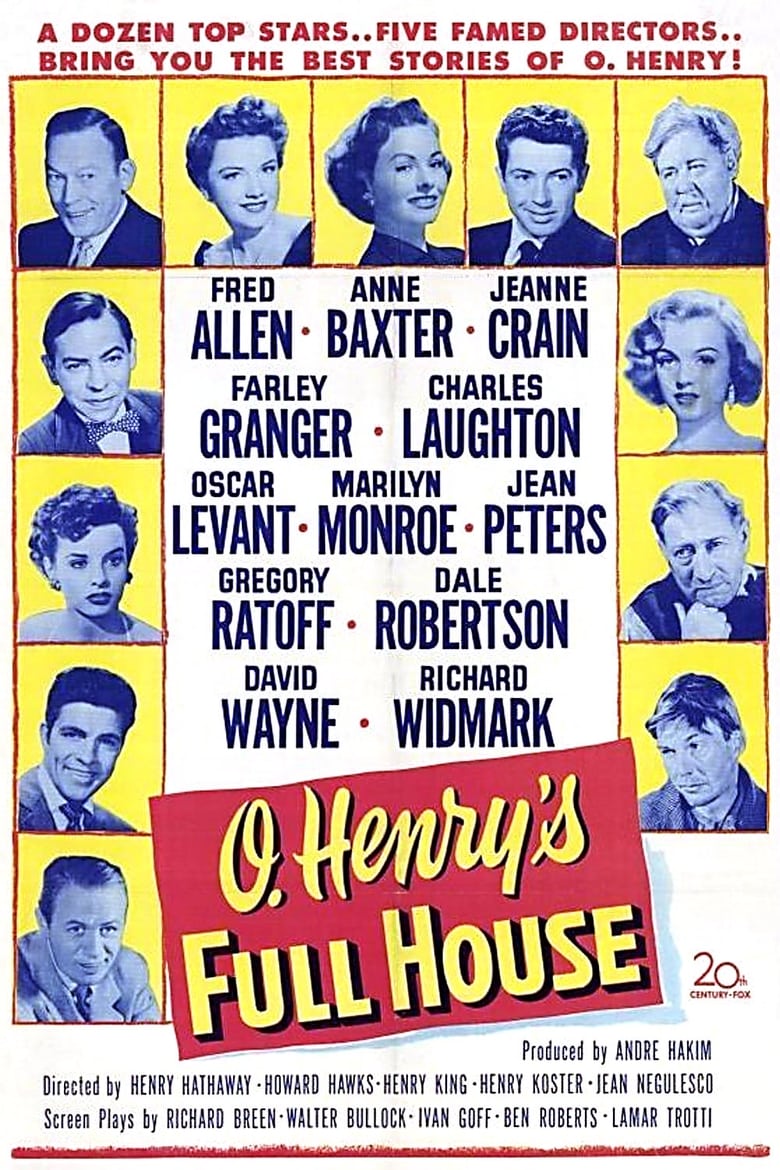
Henry Hathaway, Henry King, Howard Hawks, Henry Koster, Jean Negulesco
Runtime
117 minutes
Average Rating
No ratings yetSynopsis
Five O. Henry stories, each separate. The primary one from the critics' acclaim was "The Cop and the Anthem". Soapy tells fellow bum Horace that he is going to get arrested so he can spend the winter in a nice jail cell. He fails. He can't even accost a woman; she turns out to be a streetwalker. The other stories are "The Clarion Call", "The Last Leaf", "The Ransom of Red Chief", and "The Gift of the Magi".
Overall Score
Limited
Category Breakdown
LGBTQ+ Representation
The film contains no discernible presence of LGBTQ+ characters or queer themes. Interpersonal dynamics remain exclusively heteronormative, reflecting the era's standard cinematic constraints.
Gender Representation
Gender dynamics reinforce traditional roles, such as the sentimentalized domestic sacrifice seen in 'The Gift of the Magi.' The film prioritizes male agency and female domesticity without subverting mid-century tropes.
Racial & Ethnic Diversity
Casting reflects the homogeneous racial demographics typical of 1950s Hollywood. The film lacks non-white protagonists with high agency or intentional inclusion of diverse ethnic perspectives.
Religious & Cultural Diversity
Cultural values are rooted in traditional Western structures and conventional morality. While it touches on working-class hardships, it does so through sentimental romanticism rather than systemic critique.
Disability Representation
There is no meaningful portrayal of disability or neurodivergence. Characters are presented through standard physical archetypes without narrative agency granted to those with impairments.
Strengths
Areas for Improvement
AI Analysis
O. Henry's Full House functions as a preservation of mid-century Western storytelling norms. The anthology relies on established social hierarchies and conventional moralities to drive its vignettes. The film lacks the intentionality required to disrupt historical tropes. It operates within a homogeneous framework that prioritizes traditional archetypes over intersectional depth or diverse perspectives. Ultimately, the production reflects the era's standard cinematic constraints, offering a window into the social structures of the 1950s rather than challenging them.
1954
1965

1955
1967
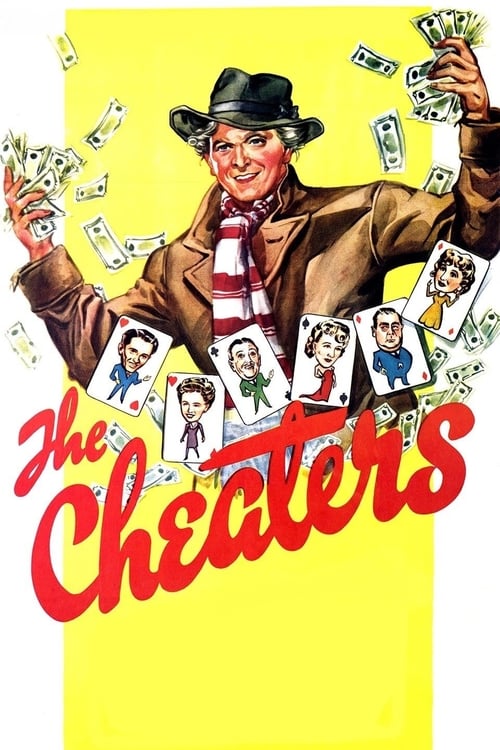
1945
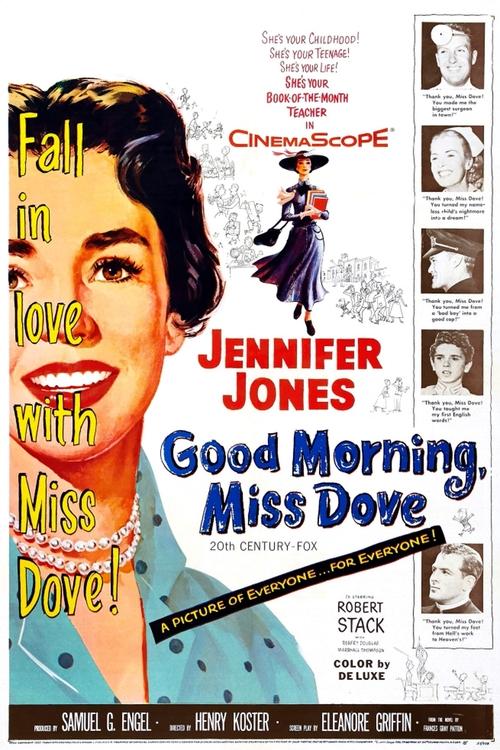
1955
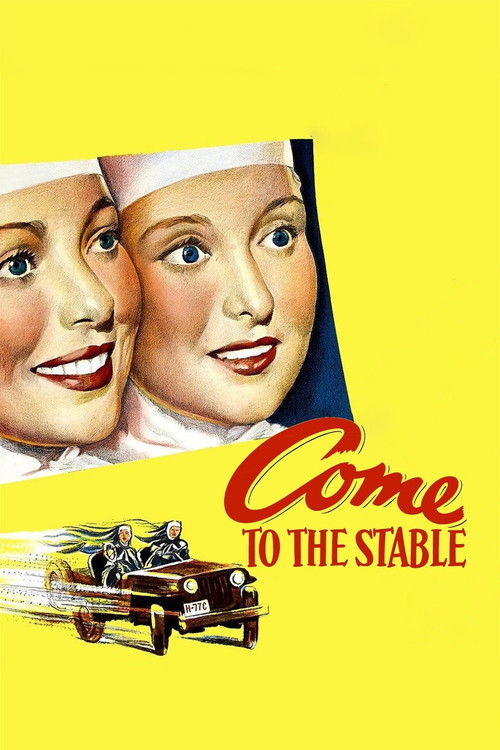
1949
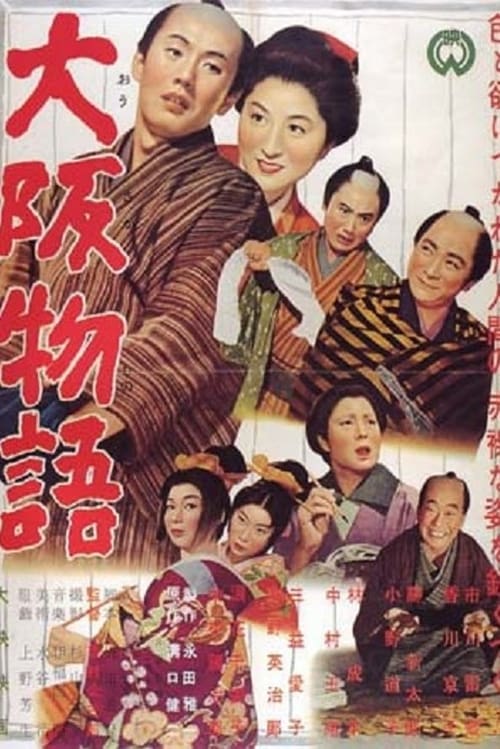
1957
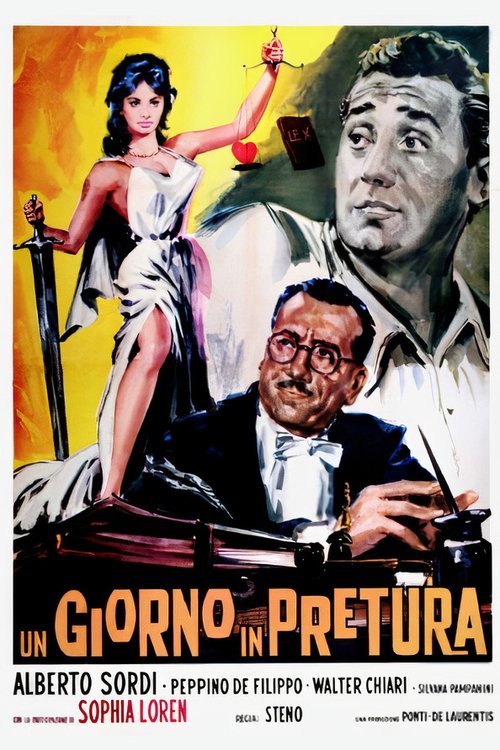
1954
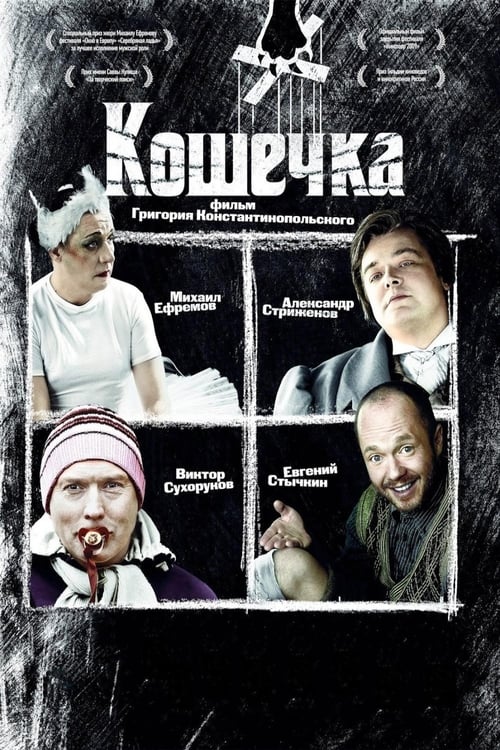
2009
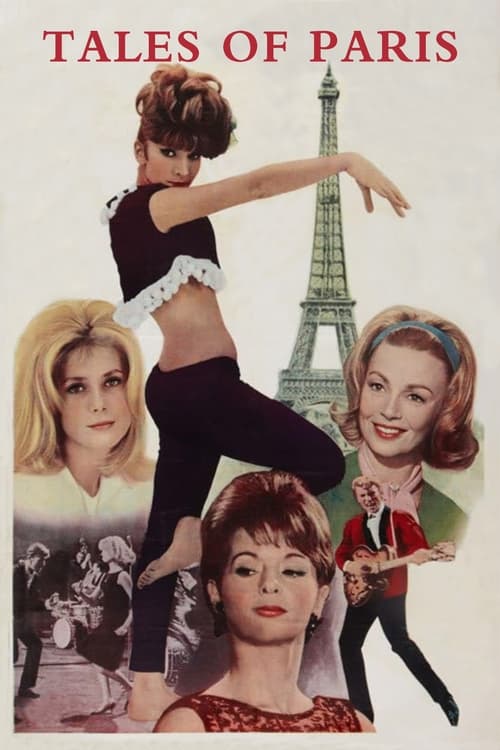
1962
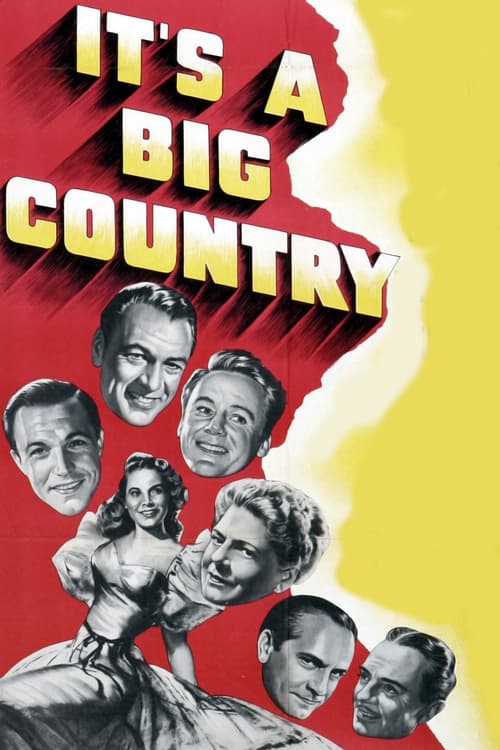
1951
No reviews yet. Be the first to share your thoughts on this movie!
Use the rating form above to leave a star rating and optional review.