
Good Morning, Miss Dove
1955
No user ratings available yet
Representation score: 1.1 out of 10
Representation Score
Minimal
1949
NRDirector
Henry Koster
Runtime
94 minutes
Average Rating
No ratings yetNew Showbiz Analysis
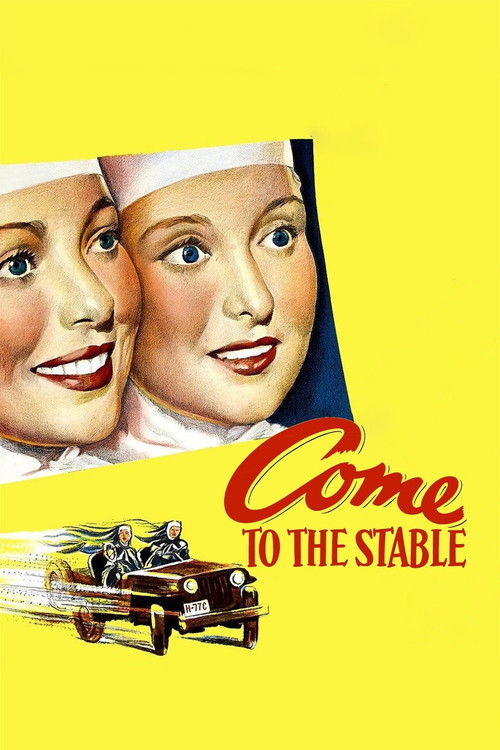
Come to the Stable is a quintessential mid-century period piece that prioritizes social stability and moral clarity. While it centers on female protagonists, it does so by reinforcing traditional gender hierarchies and religious institutions rather than challenging them. The film’s world is remarkably narrow, presenting a homogeneous community that lacks racial, ethnic, or LGBTQ+ diversity. It functions as a celebration of Western moral structures and established authority, offering little room for multi-layered depth or social disruption. Ultimately, the narrative serves to affirm traditional social frameworks. It focuses on the importance of faith and domestic influence within a strictly conventional social order.
Category Breakdown
The film operates within a strictly heterosexual and cisgender framework. There is no presence of LGBTQ+ identities or same-sex intimacy in the narrative.
Female characters, such as the nuns and Loretta Young’s protagonist, play central roles in the story. However, their influence is tied to spiritual devotion and domestic life rather than challenging patriarchal structures.
The setting depicts a homogeneous New England community. The film lacks characters of color, reflecting a tendency to present white, Anglo-Saxon demographics as the social norm.
The story promotes a singular Christian morality as the solution to hardship. It prioritizes religious institutions and the stabilizing influence of faith over secularism.
Themes of human vulnerability and communal care are present through the hospital project. However, no characters with visible or invisible disabilities serve as central agents.
Present on Screen
Limited or Absent
Official Synopsis
Two nuns arrive unannounced in the small New England town of Bethlehem, where they recruit various townspeople to help them build a children's hospital.
1955

1945
1954
1938
1948
1963

2018
1942
No reviews yet. Be the first to share your thoughts on this movie!
Use the rating form above to leave a star rating and optional review.