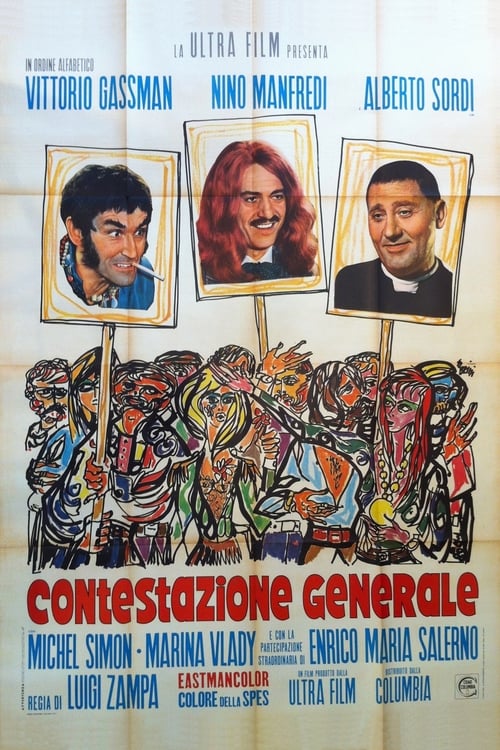
Let's Have a Riot
1970
No user ratings available yet
Representation score: 4.8 out of 10
Representation Score
Fair
1968
Director
Luigi Zampa
Runtime
94 minutes
Average Rating
No ratings yetNew Showbiz Analysis
Luigi Zampa’s comedy serves as a sharp social satire targeting the flaws of the mid-century Italian healthcare system. The film prioritizes the deconstruction of institutional stability and bureaucratic incompetence over identity-based representation. While the narrative achieves sophistication through its critique of power, it remains limited by the era's cinematic constraints. The cast and themes reflect a homogeneous social landscape, offering little in the way of racial or LGBTQ+ diversity. Ultimately, the film's strength lies in its anti-institutionalism. It challenges the notion of a benevolent state, using the medical profession to expose systemic failures.
Category Breakdown
The film does not include any explicit LGBTQ+ characters or stories. Instead, it focuses on class and institutional issues rather than sexual orientation or gender identity.
Gender roles in the film likely follow traditional 1960s domestic structures. However, the critique of professional incompetence may challenge patriarchal authority within the medical field.
The setting reflects a homogeneous Italian demographic typical of the era. There is no indication of significant non-European diversity within the main storyline.
The film provides a sophisticated critique of state institutions. It uses satire to portray the Italian healthcare bureaucracy as a source of systemic dysfunction.
Characters dealing with illness and physical vulnerability are central to the healthcare theme. It is unclear whether these patients have significant control over their situations or merely serve as plot devices.
Present on Screen
Limited or Absent
Official Synopsis
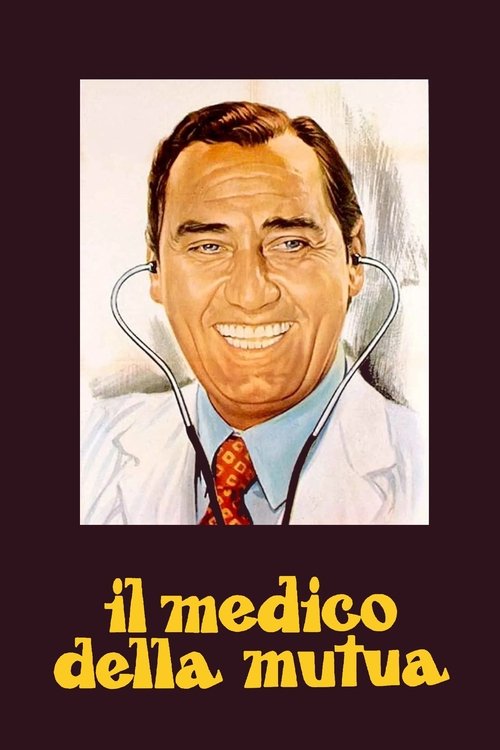
Comedy about the flawed Italian healthcare system of the time and a doctor's expeirence with it.
1970

1980
1957
1963
1969
1964
1953

1981
No reviews yet. Be the first to share your thoughts on this movie!
Use the rating form above to leave a star rating and optional review.