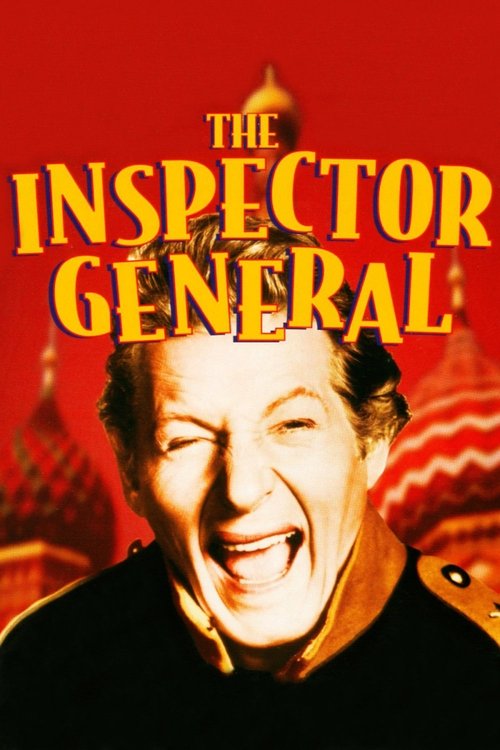
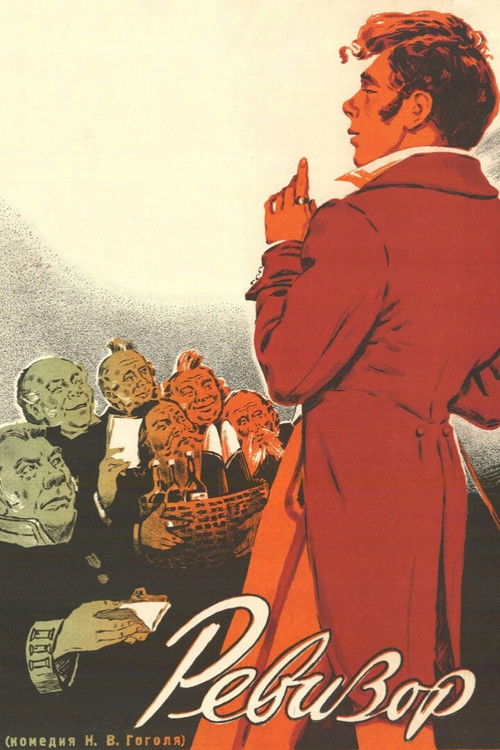
The Inspector General
1949
No user ratings available yet
Representation score: 2.8 out of 10
Representation Score
Minimal
1952
Director
Vladimir Petrov
Runtime
132 minutes
Average Rating
No ratings yetNew Showbiz Analysis
The film primarily serves as a satire of institutional decay rather than a study in demographic diversity. It lacks modern representation regarding race, gender, and LGBTQ+ identities, resulting in a low score in those categories. However, the film offers significant thematic subversion. By portraying the pillars of society as farcical and incompetent, it dismantles the perceived legitimacy of state authority. The protagonist's ability to exploit a broken system provides a sophisticated critique of power structures. Ultimately, the work's value lies in its deconstruction of the 'stable leader' archetype rather than its demographic breadth.
Category Breakdown
The film does not include any LGBTQ+ characters or non-straight identities. Social interactions revolve around traditional courtship and heterosexual relationships.
The story focuses on a male-dominated hierarchy among provincial officials. Women are mostly confined to domestic roles or used as pawns in social maneuvering.
The cast is homogeneous, reflecting the specific historical and geographical context of a provincial Eastern European setting. There is no indication of racial blending or color-blind casting.
The film excels in critiquing traditional institutions and state bureaucracy. It portrays a world where governance is inherently corrupt, emphasizing a narrative of moral relativism and systemic hypocrisy.
There are no visible or invisible disabilities portrayed as central to the character arcs or the narrative development.
Present on Screen
Limited or Absent
Official Synopsis
Khlestakov is a young flamboyant crook, who is broke. He finds himself in a small Russian town, where local authorities are waiting for an undercover inspector from the capital St. Petersburg. Khlestakov is mistaken for an undercover inspector, and uses the situation for taking bribes from the local governor and flirting with both his wife and daughter. He abuses the corruption and hypocrisy of the local authorities until, at the end, the real inspector shows up.
1949
1964
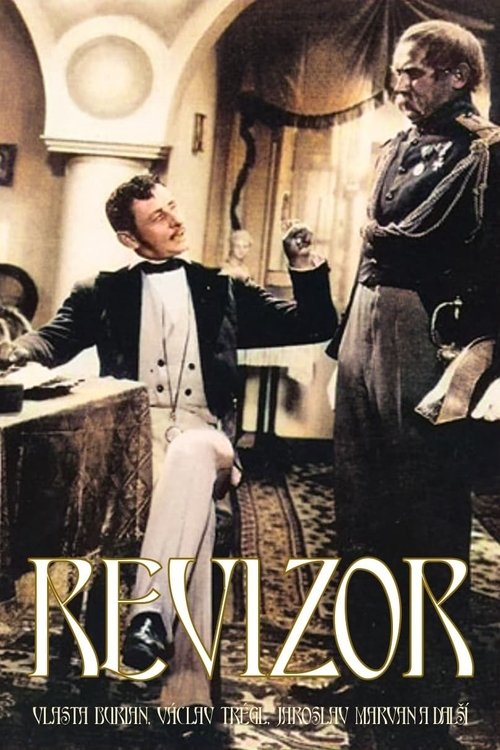
1933
1984
1996

1963

1962
1981
No reviews yet. Be the first to share your thoughts on this movie!
Use the rating form above to leave a star rating and optional review.