
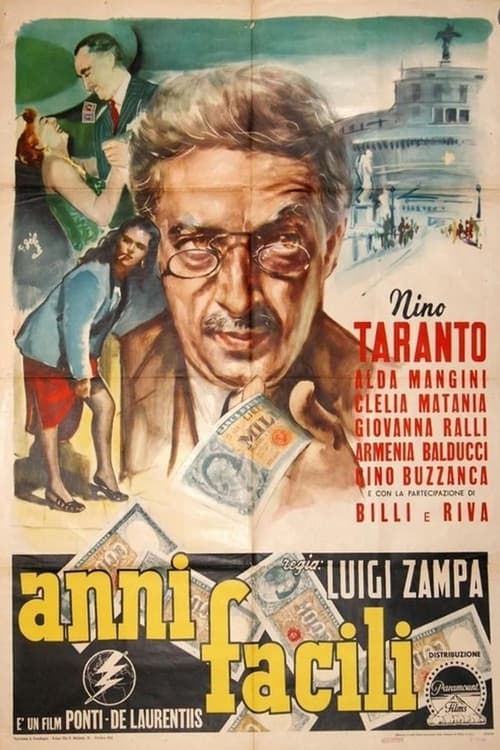
Roaring Years
1962
No user ratings available yet
Representation score: 1.8 out of 10
Representation Score
Limited
1953
Director
Luigi Zampa
Runtime
105 minutes
Average Rating
No ratings yetNew Showbiz Analysis
Luigi Zampa’s comedy serves as a social satire that emphasizes institutional critique over broad demographic representation. The film explores the conflict between provincial identity and centralized power through the moral decay of a Sicilian professor. Though the film lacks modern characters who reflect more than one aspect of diversity, such as LGBTQ+ or diverse racial casting, it offers a foundational critique of systemic corruption. By showing how state structures can compromise individual integrity, it dismantles the myth of institutional infallibility. Ultimately, the work’s value lies in its thematic exploration of power and the failure of established social structures, rather than its representation of diverse identities.
Category Breakdown
The film does not include any LGBTQ+ characters or narratives. The story centers on the socio-political journey of a Sicilian academic transitioning to life in Rome.
The narrative seems focused on male-dominated professional environments like academia and government ministries. It may follow mid-century gender hierarchies, emphasizing the protagonist's moral decline.
Diversity is shown through regional differences rather than global racial diversity. The plot delves into the social tensions and stratification experienced by a Sicilian moving to Rome.
The film strongly critiques Western institutions. It portrays a protagonist who falls into corruption within the Roman ministries, challenging the sanctity of state bureaucracy.
There are no characters with physical or neurodivergent disabilities in the film. The narrative focuses on institutional corruption and the moral erosion of the protagonist.
Present on Screen
Limited or Absent
Official Synopsis
A Sicilian professor who moves to Rome gets lost in the maze of Roman ministries and gives in to corruption.
1962
1975
1961
1955
1952

1992

1954
1960
No reviews yet. Be the first to share your thoughts on this movie!
Use the rating form above to leave a star rating and optional review.