
Corbo
2015
No user ratings available yet
Representation score: 4.0 out of 10
Representation Score
Fair
2013
Director
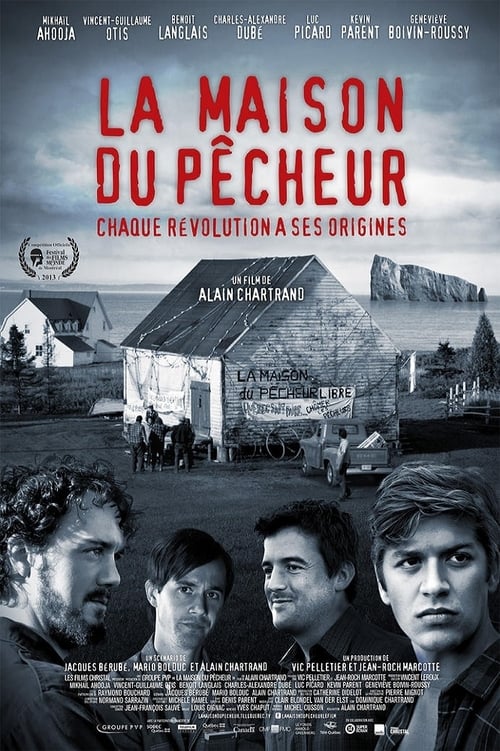
Alain Chartrand
Runtime
97 minutes
Average Rating
No ratings yetNew Showbiz Analysis
Summer Crisis is a historical drama that prioritizes political radicalization and the friction between traditional coastal life and 1960s counterculture. It succeeds in its sophisticated critique of state authority and its exploration of Quebecois national identity. While the film captures a diverse mix of travelers and artists, the representation remains narrow in terms of specific identity-driven narratives. The focus is heavily weighted toward male political actors and regional ethnic struggles. Ultimately, the film's strength lies in its cultural engagement with systemic critique rather than its breadth of social the way different parts of someone's identity overlap.
Category Breakdown
The film explores a counterculture milieu of hippies and rockers, suggesting spaces of non-conformity. However, there are no explicit LGBTQ+ character arcs or romantic depictions present in the narrative.
The film focuses on a male-dominated activist cell and the male protagonist, emphasizing male-centric political ability to act. While it challenges traditional village stability, the narrative remains centered on male figures.
The story focuses on specific Gaspesian and Quebecois identities within a regional historical context. It prioritizes national sovereignty and regionalism over multi-ethnic or global racial diversity.
The film excels in depicting anti-establishment sentiment and radical political reorganization. It centers on the FLQ and communal, non-capitalist living structures that challenge traditional institutional hierarchies.
The narrative provides no specific details regarding characters with physical or neurodivergent disabilities.
Present on Screen
Limited or Absent
Official Synopsis
In the summer of 1969, Bernard, a Gaspesian fisherman's son, arrive in Perce to fin work. He meets Paul, Jacques and Francis, Quebec Independence activists who have come to open the 'Fisherman's House'. They aim to organize public conferences and offer lodgings to young travelers. A motley crowd of Quebecers from all over the province soon flocks to Perce: artists, hippies, rockers, hitchhikers and the like shake local authorities. Bernard is won over by the trio's ideas and gets increasingly involved in their project. The following year, the will join the Front de liberation du Quebec (FLQ) and play a pivotal role in the Summer Crisis 1969.
2015
2018
1974

2013

1990
2001
1983

2022
No reviews yet. Be the first to share your thoughts on this movie!
Use the rating form above to leave a star rating and optional review.