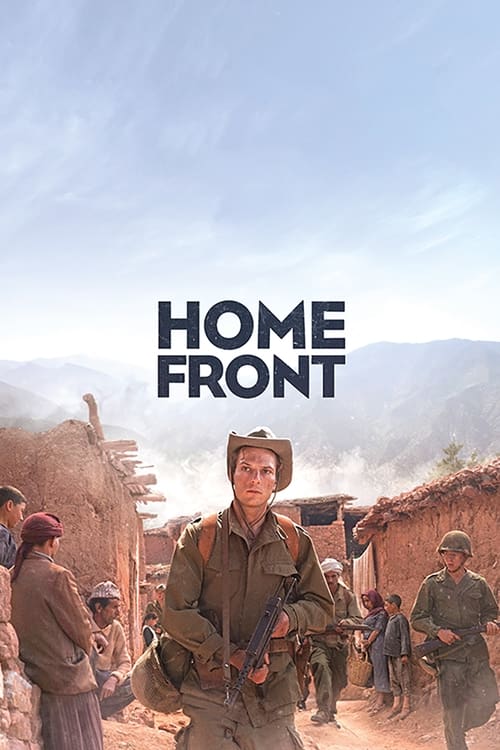
Home Front
2020
No user ratings available yet
Representation score: 6.3 out of 10

Representation Score
Excellent
2022
Director
Rachid Bouchareb
Runtime
92 minutes
Average Rating
No ratings yetNew Showbiz Analysis
Our Brothers reconstructs the 1986 Malik Oussekine affair, focusing on the tension between student activism and state authority. The film uses this historical event to challenge the neutrality of historical institutions. The film is particularly strong in its critique of systemic oppression and state-sanctioned violence, especially as it relates to racial justice. However, it falls short in its representation of LGBTQ+ identities and disability, which are secondary to the main themes of political insurrection and racial justice.
Category Breakdown
The film focuses on political activism rather than stories centered around LGBTQ+ individuals. There is no explicit focus on the roles or actions of LGBTQ+ characters.
Female students are shown as active participants with intellectual and political influence. The film challenges the idea that only men can lead uprisings by highlighting women’s roles in political movements.
The movie stands out by featuring a person of color at the center of its critique of systemic issues. It emphasizes the disproportionate impact of police violence on underrepresented communities.
The story criticizes Western institutions and the government's handling of protests. It portrays the government's response to protests as corrupt and oppressive through the lens of social justice.
The narrative emphasizes socio-political identity over neurodivergence or physical disabilities. Disability is not a primary factor in driving the story or themes.
Present on Screen
Limited or Absent
Official Synopsis
Inspired by the story of Malik Oussekine, an affair of police violence which is believed to have caused the death of 22-year-old Malik Oussekine on the night of 5-6 December 1986, following several weeks of student protests against a university reform bill
2020
2012

2005
2010
2021

1989
2020
2010
No reviews yet. Be the first to share your thoughts on this movie!
Use the rating form above to leave a star rating and optional review.