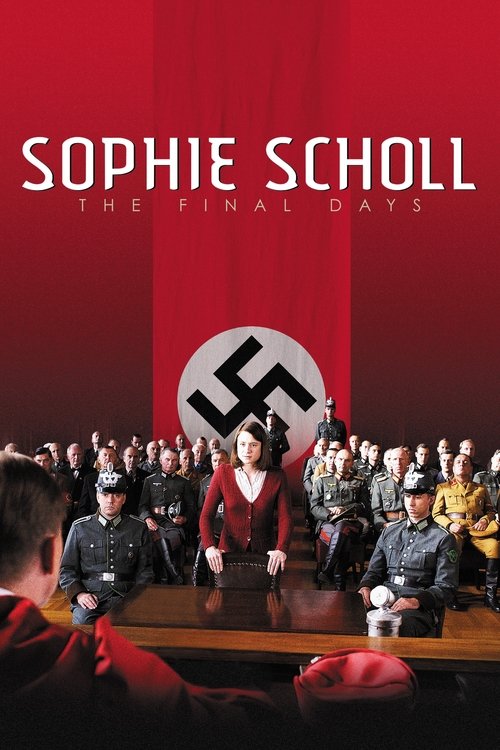
Sophie Scholl: The Final Days
2005
No user ratings available yet
Representation score: 3.5 out of 10

Representation Score
Good
2012
RDirector
Pablo Larraín
Runtime
118 minutes
Average Rating
No ratings yetNew Showbiz Analysis
Pablo Larraín’s film is a deep look at how media can challenge authoritarian regimes. It shifts the focus from physical violence to the commodification of hope, using advertising to frame political resistance. The film’s strength lies in its cultural depth and its ability to challenge traditional power structures. It effectively uses media to represent social movements and political change. However, it lacks diversity in terms of individual identity markers such as LGBTQ+ identities or disabilities.
Category Breakdown
The film doesn't explore LGBTQ+ themes or identities beyond the broader political context. It focuses more on the social and political changes in Chile.
Women are shown as active participants in societal change rather than passive figures. However, the main character works within a male-dominated political and advertising environment.
The film provides a detailed look at Chilean society, showing socioeconomic differences and cultural identity. It avoids simplifying history from a Western perspective.
The story critiques Western-aligned power structures and the military dictatorship. It highlights the importance of dismantling authoritarian hierarchies for social freedom.
The film doesn’t focus on visible or invisible disabilities. The main concern is the political shifts, leaving little room for exploring disability issues.
Present on Screen
Limited or Absent
Official Synopsis
In 1988, Chilean military dictator Augusto Pinochet, due to international pressure, is forced to call a plebiscite on his presidency. The country will vote ‘Yes’ or ‘No’ to Pinochet extending his rule for another eight years. Opposition leaders for the ‘No’ vote persuade a brash young advertising executive, René Saavedra, to spearhead their campaign. Against all odds, with scant resources and while under scrutiny by the despot’s minions, Saavedra and his team devise an audacious plan to win the election and set Chile free.
2005

2013

2014
2010
2000
2021
2013

2019
No reviews yet. Be the first to share your thoughts on this movie!
Use the rating form above to leave a star rating and optional review.