
Sacco & Vanzetti
1971
No user ratings available yet
Representation score: 3.2 out of 10
Representation Score
Fair
1983
Director
Bruno Carrière
Runtime
90 minutes
Average Rating
No ratings yetNew Showbiz Analysis
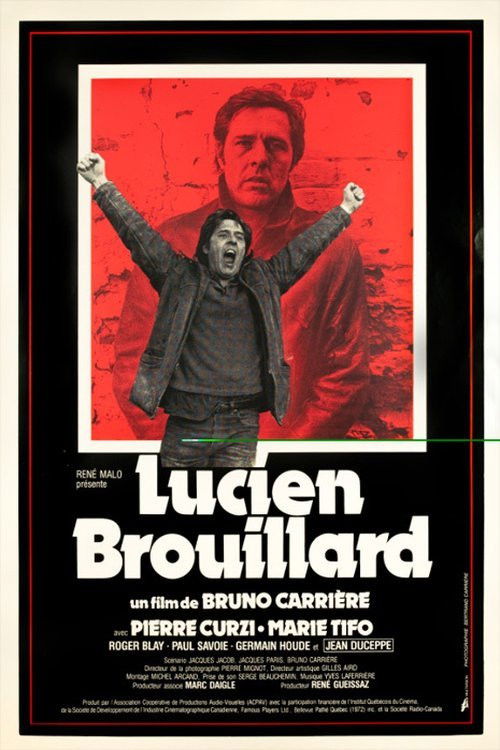
Lucien Brouillard primarily serves as a thematic critique of systemic power. Its strength lies in its portrayal of an anarchist protagonist challenging the sanctity of the judicial system and state authority. However, the film lacks visible markers of diversity in terms of gender, race, or LGBTQ+ identities. Ultimately, while the film excels at depicting social friction and institutional corruption, it remains narrow in its demographic representation.
Category Breakdown
The film does not include any explicit LGBTQ+ relationships or non-cisgender identities. Although there is a deep personal history between the protagonist and the judge, no specific LGBTQ+ narratives are present.
The story focuses on a male-driven conflict between an anarchist and a judge. There is little evidence of women's ability to drive the story or challenges to traditional male leadership roles.
The ethnic makeup of the cast is unknown. Given the historical setting and French title, the film likely features a predominantly European cast.
The narrative strongly critiques Western institutions, presenting the judiciary as an oppressive force. It prioritizes subversive morality over traditional legal or religious structures.
The synopsis does not mention any characters dealing with physical, neurodivergent, or mental health conditions.
Present on Screen
Limited or Absent
Official Synopsis
Solitary anarchist, Lucien Brouillard ceaselessly fights for his rights and those of his societal peers. His subversive whistleblower activities will bring him endless troubles, and he will begin a real descent into Hell after his former childhood friend, and now judge, Jacque Martineau.
1971

1983
1974

2008

2013

2012

2015

1972
No reviews yet. Be the first to share your thoughts on this movie!
Use the rating form above to leave a star rating and optional review.