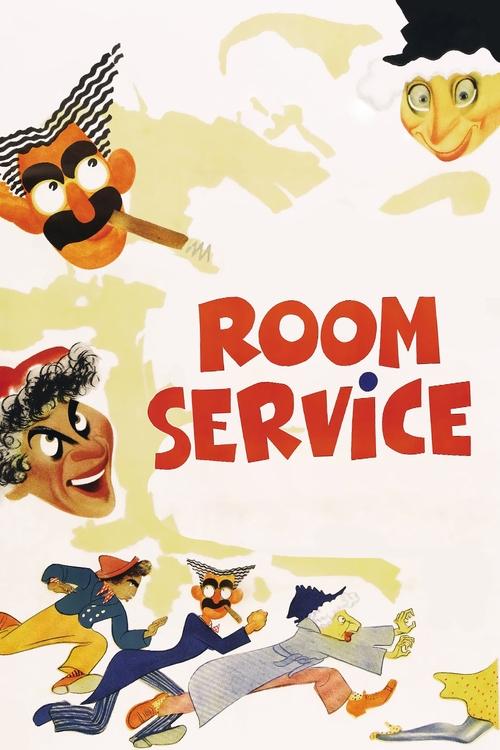
Room Service
1938
No user ratings available yet
Representation score: 0.4 out of 10
Representation Score
Limited
1941
ApprovedDirector
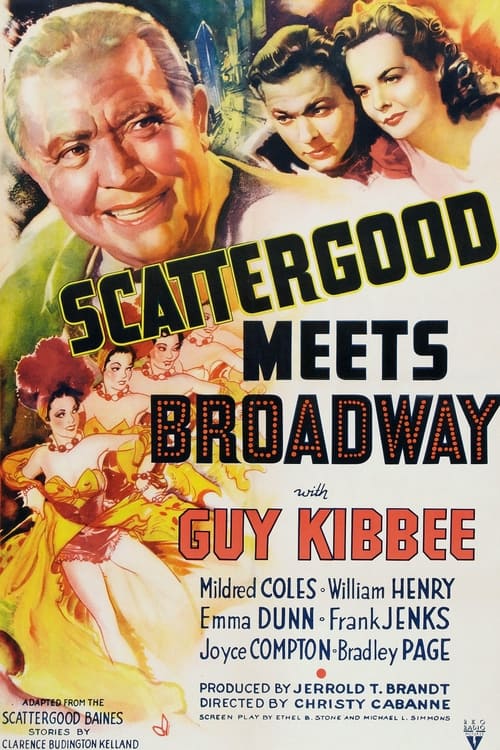
Christy Cabanne
Runtime
68 minutes
Average Rating
No ratings yetNew Showbiz Analysis
Scattergood Meets Broadway is a period comedy that operates within the social norms of the 1940s. The plot revolves around traditional themes of rural-to-urban dynamics and domestic crises, focusing on interpersonal deception rather than broader societal critiques. The film lacks diverse representation, presenting a conventional and homogeneous view of American society. It prioritizes themes of community support and familial obligation, aligning with the era's established narrative norms. Overall, the film reinforces the social expectations of its time without challenging them.
Category Breakdown
The film does not include any characters with LGBTQ+ identities. It portrays a traditional mother-son relationship typical of 1940s cinema.
Elly Drew plays a central role, but her character is defined by her maternal duties and emotional labor. She is portrayed as a passive recipient of aid rather than a driver of the story.
The film depicts a homogeneous American society without any indication of racial or ethnic diversity.
The movie emphasizes traditional Western values such as community support and family obligations. It highlights the importance of ambition and moral responsibility within a city setting.
The film does not feature any characters with visible or invisible disabilities.
Present on Screen
Limited or Absent
Official Synopsis
Scattergood finds out that his neighbor, Elly Drew, is going to sell her home to support her son David, an aspiring playwright, who is in New York City trying to get his play produced. Scattergood decides to loan Elly the money but things are not as David has been telling his Mother...
1938

1934
1934
1932
1933
1940
1943

1919
No reviews yet. Be the first to share your thoughts on this movie!
Use the rating form above to leave a star rating and optional review.