
Trouble in Store
1953
No user ratings available yet
Diversity score: 2.6 out of 10

1956
Director
John Paddy Carstairs
Runtime
87 minutes
Average Rating
No ratings yetSynopsis
Norman is a window cleaner who has to clean a manor house with hundreds of windows. He is distracted by the son of the house who persuades him to go into town. When some villains try and kidnap the young heir Norman fights them off but the heir has banged his head and can't remember Norman's heroic stand
Overall Score
Limited
Category Breakdown
LGBTQ+ Representation
The film lacks any visible representation of non-cisnormative identities. It operates within the standard social frameworks of 1956, offering no narratives that critique heteronormativity.
Gender Representation
The story centers on a male protagonist performing a physical, heroic role. This focus on male agency reinforces traditional masculine leadership and protective roles without subverting gender hierarchies.
Racial & Ethnic Diversity
The narrative appears to align with the era's tendency toward white, Anglo-Saxon centered storytelling. There is no evidence of a diverse cast or non-white representation.
Religious & Cultural Diversity
The plot utilizes traditional British class tropes, contrasting a window cleaner with a manor house owner. It reinforces conventional social interactions rather than deconstructing Western institutions.
Disability Representation
A character's amnesia serves merely as a comedic plot device. The film does not offer a meaningful exploration of neurodivergence or disability agency.
Strengths
Areas for Improvement
AI Analysis
Up in the World is a conventional mid-century comedy that adheres strictly to the social and demographic norms of 1950s Britain. The narrative relies on established hierarchies and traditional character archetypes. The film lacks intersectional complexity, focusing instead on a singular male hero navigating a class-based setting. It provides minimal disruption to the era's standard narrative expectations. Ultimately, the work functions as a product of its time, prioritizing situational humor over social critique or diverse representation.
1953
1955
1952
1956
1960
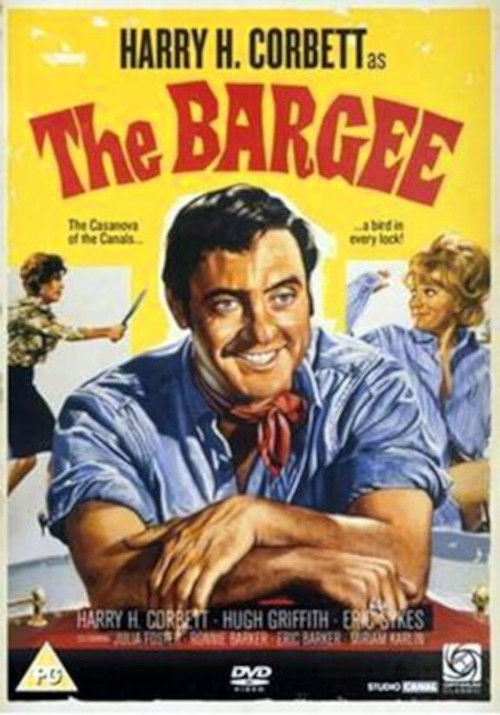
1964

1974

1954

1951
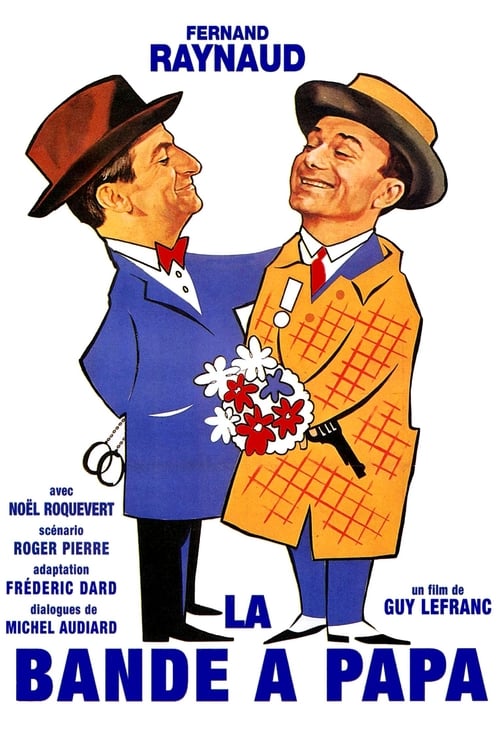
1956
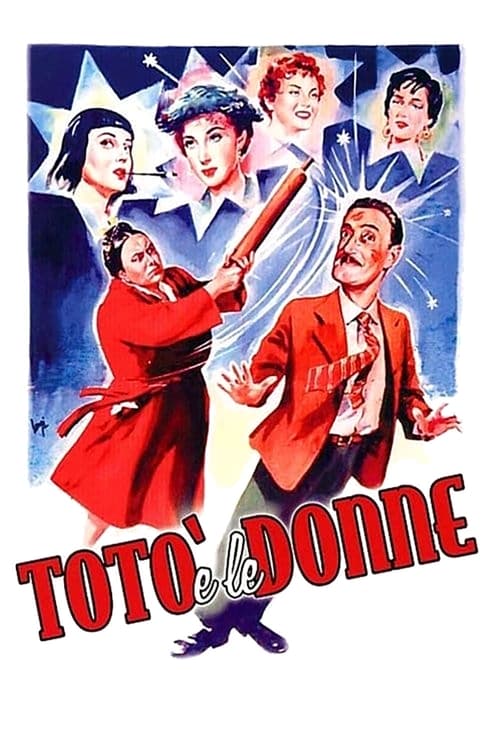
1952
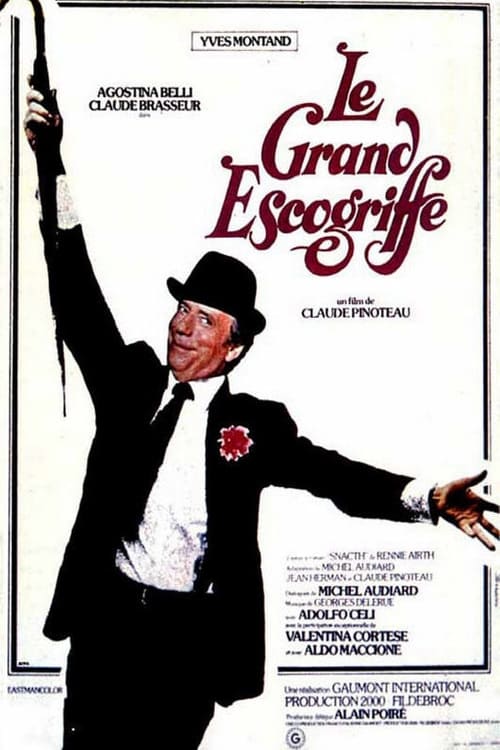
1976
No reviews yet. Be the first to share your thoughts on this movie!
Use the rating form above to leave a star rating and optional review.