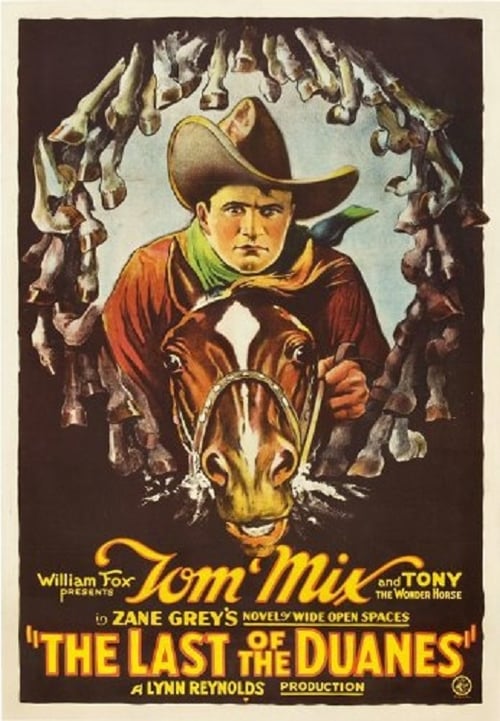
The Last of the Duanes
1924
No user ratings available yet
Diversity score: 2.2 out of 10

1949
NRDirector
Leslie Fenton
Runtime
93 minutes
Average Rating
No ratings yetSynopsis
Texas, 1878: cheerful outlaw-buddies Jim, Lorn and Wahoo rescue spunky orphan Rannie Carter from rustling racketeers, then are forced to separate. Lorn goes on to bigger and better robberies, while Jim and Wahoo are (at first reluctantly) maneuvered into joining the Texas Rangers. For friendship's sake, the three try to keep out of direct conflict, but a showdown begins to look inevitable. And Rannie, now grown into lovely young womanhood, must choose between Lorn and Jim
Overall Score
Minimal
Category Breakdown
LGBTQ+ Representation
The film contains no visible LGBTQ+ characters or non-heteronormative dynamics. The narrative focuses entirely on traditional romantic choices between the male leads.
Gender Representation
Gender roles follow mid-century cinematic expectations. While Rannie Carter shows early agency, her arc eventually shifts toward serving as a romantic object for the male protagonists.
Racial & Ethnic Diversity
The cast lacks significant racial diversity, focusing instead on a homogeneous group of protagonists. It adheres to the standard racial tropes of 1949 Westerns.
Religious & Cultural Diversity
The story reinforces traditional Western values and frontier justice. It operates within established institutions like the Texas Rangers without challenging their moral frameworks.
Disability Representation
There are no discernible depictions of physical, neurodivergent, or mental health-related disabilities within the narrative.
Strengths
Areas for Improvement
AI Analysis
Streets of Laredo is a quintessential mid-century Western that prioritizes traditional genre archetypes over social subversion. The narrative structure relies on established frontier tropes, focusing on the conflict between outlaws and law enforcement. The film reinforces the social hierarchies of its era, specifically through its homogeneous casting and conventional gender roles. Character agency is largely centered on male protagonists, while female characters serve primarily as romantic pivots. Ultimately, the work functions as a celebration of traditional Western morality. It does not attempt to introduce intersectional perspectives or deconstruct the systemic power dynamics of the frontier.
1924
1956

1955
1930
1940

1949
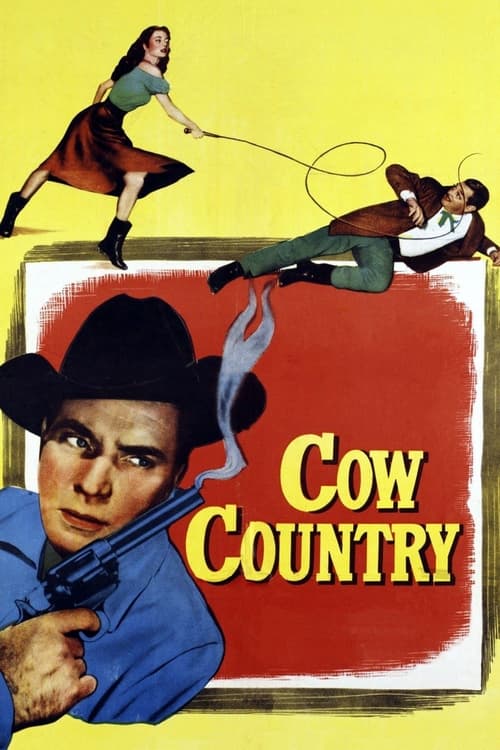
1953
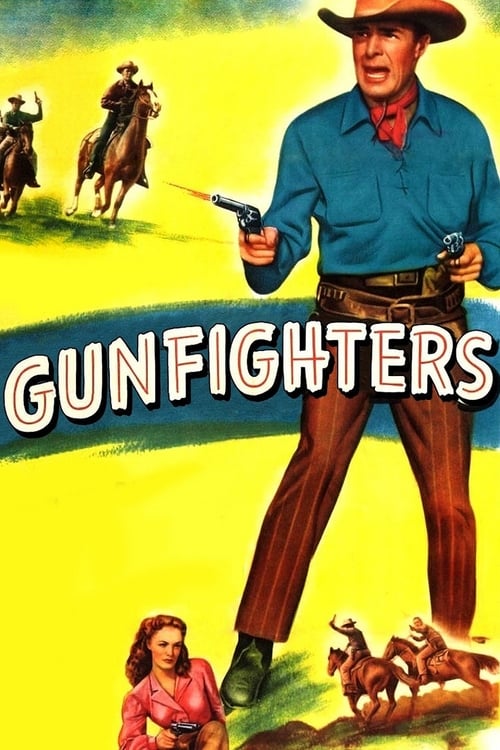
1947
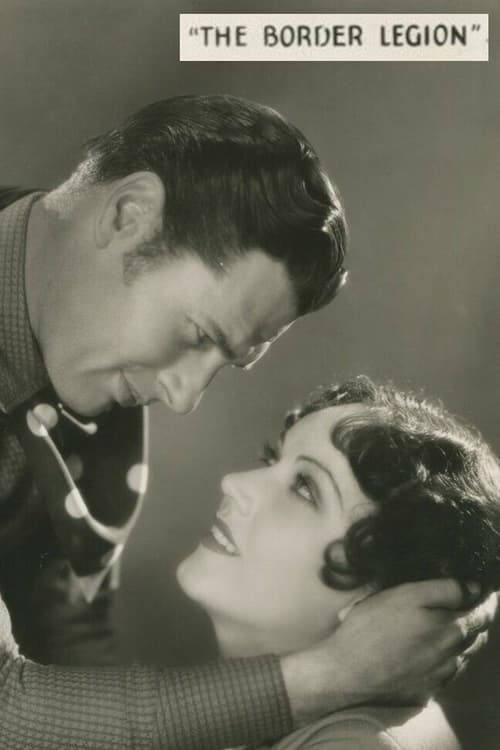
1930
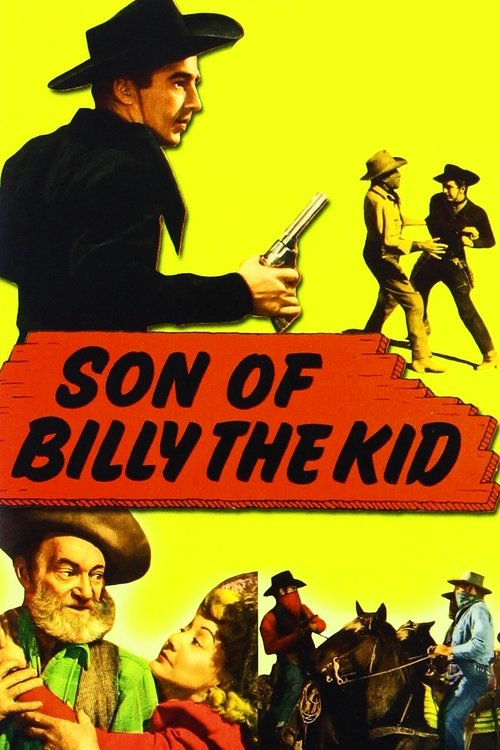
1949
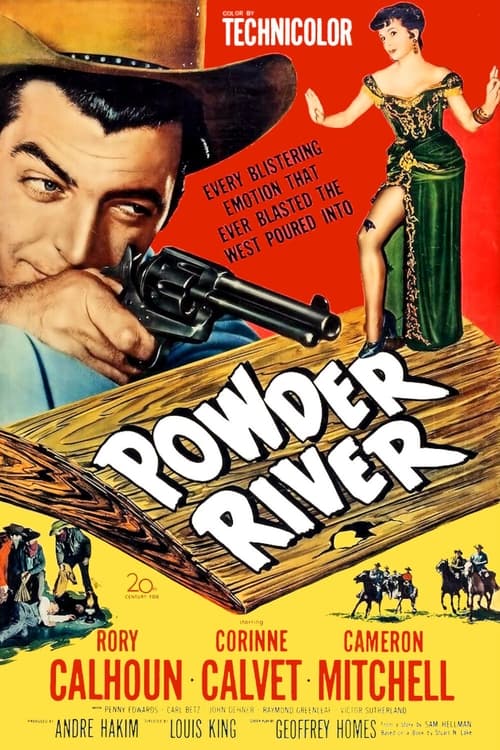
1953
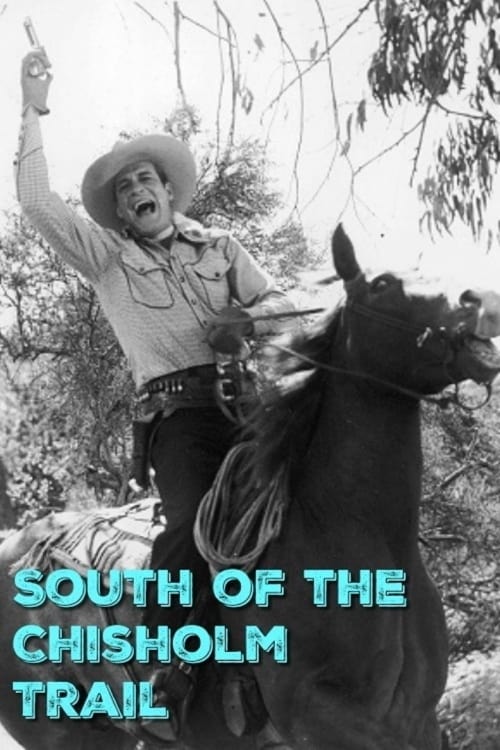
1947
No reviews yet. Be the first to share your thoughts on this movie!
Use the rating form above to leave a star rating and optional review.