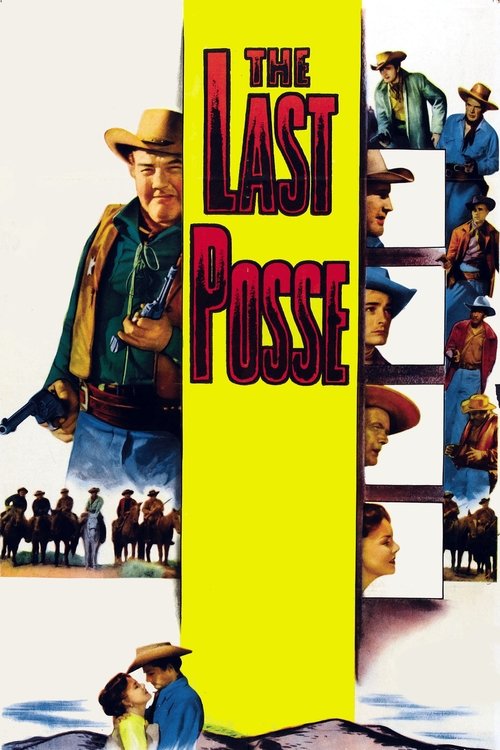
The Last Posse
1953
No user ratings available yet
Diversity score: 2.5 out of 10
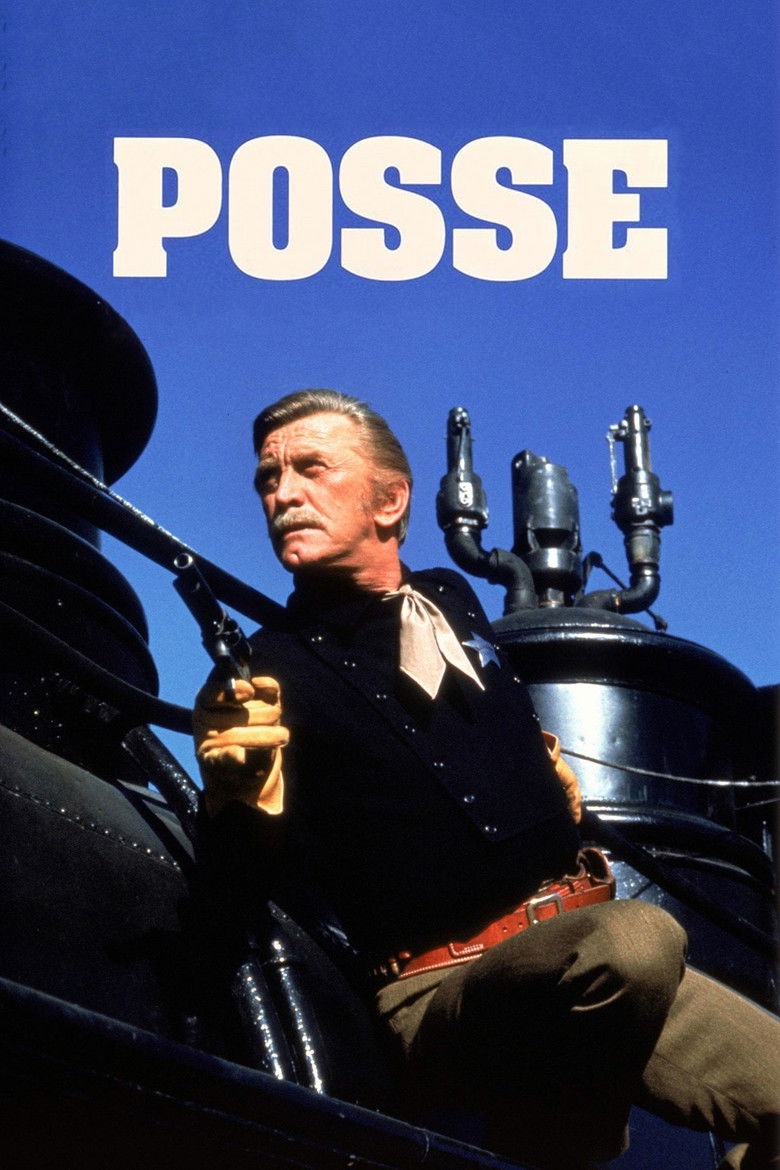
1975
PGDirector
Kirk Douglas
Runtime
92 minutes
Average Rating
No ratings yetSynopsis
A tough marshal with political ambitions leads an elite posse to capture a notorious train robber and his gang.
Overall Score
Limited
Category Breakdown
LGBTQ+ Representation
The film adheres to a strictly heteronormative structure. It focuses on masculine archetypes and traditional brotherhood without any depiction of non-cisnormative identities.
Gender Representation
The narrative is almost exclusively male-centric, centering on masculine violence. Female characters are relegated to secondary roles, often serving merely as catalysts for male action.
Racial & Ethnic Diversity
The cast is predominantly homogeneous, reflecting standard Western tropes of the era. There is a lack of high-agency characters of color or significant racial blending.
Religious & Cultural Diversity
The film uses moral relativism to disrupt the 'civilization vs. savagery' dichotomy. It critiques formal Western institutions by portraying justice as a product of systemic dysfunction.
Disability Representation
There are no prominent depictions of visible or invisible disabilities. No such themes are used as central character arcs or plot devices.
Strengths
Areas for Improvement
AI Analysis
Posse functions as a revisionist Western that prioritizes the deconstruction of genre myths over demographic inclusivity. It succeeds in challenging the moral certainty of the frontier by blurring the lines between lawmen and outlaws. However, the film remains deeply constrained by the social hierarchies of its time. It relies on traditional Anglo-centric frameworks and patriarchal dynamics, offering very little intersectional depth. Ultimately, the film's progressive qualities are found in its cynical view of authority rather than its representation of diverse identities.
1953

1939
1959
1967

1957
1968
1957
1968
1966
1969
1968

1967
No reviews yet. Be the first to share your thoughts on this movie!
Use the rating form above to leave a star rating and optional review.