The Last Posse
1953
No user ratings available yet
Representation score: 1.7 out of 10
Representation Score
Minimal
1955
NRDirector
Alfred L. Werker
Runtime
81 minutes
Average Rating
No ratings yetNew Showbiz Analysis
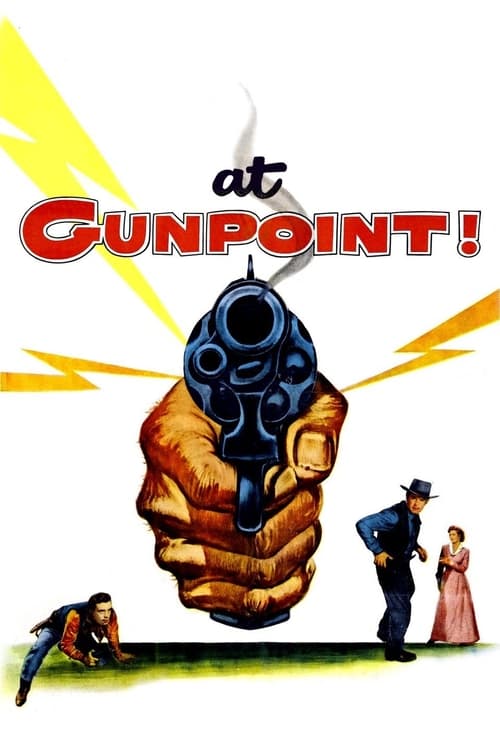
At Gunpoint is a traditional Western film from the 1950s, following a standard genre structure. The story revolves around a common man defending his local business against external threats, a setup that reinforces established social orders. The film adheres to the cultural and gender norms of its time, focusing on individualistic heroism and the protection of local institutions.
Category Breakdown
The film does not include any LGBTQ+ characters or subtext, sticking to the heterosexual norms typical of 1950s cinema.
The story centers around a male storekeeper protecting his business, reinforcing traditional masculine roles and physical strength found in mid-century films.
The film likely features Anglo-Saxon characters without much multi-layered depth or diverse casting.
The plot upholds traditional Western values about property rights and individual justice, reinforcing the social and legal norms of the frontier era.
The film does not feature any characters with visible or invisible disabilities, nor does it integrate these themes into the story.
Present on Screen
Limited or Absent
Official Synopsis
A general-store keeper scares off bank robbers with a lucky shot, but they come back.
1953
1969

1944

1957
1953
1958
1964

1959
No reviews yet. Be the first to share your thoughts on this movie!
Use the rating form above to leave a star rating and optional review.