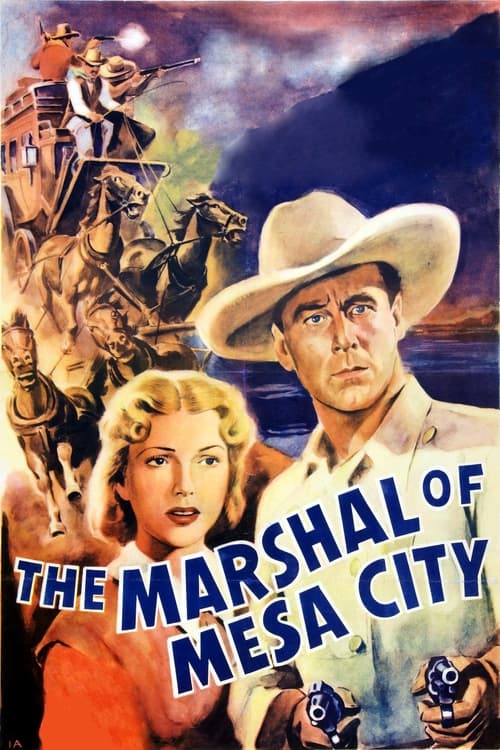
The Marshal Of Mesa City
1939
No user ratings available yet
Representation score: 0.5 out of 10
Representation Score
Minimal
1936
ApprovedDirector
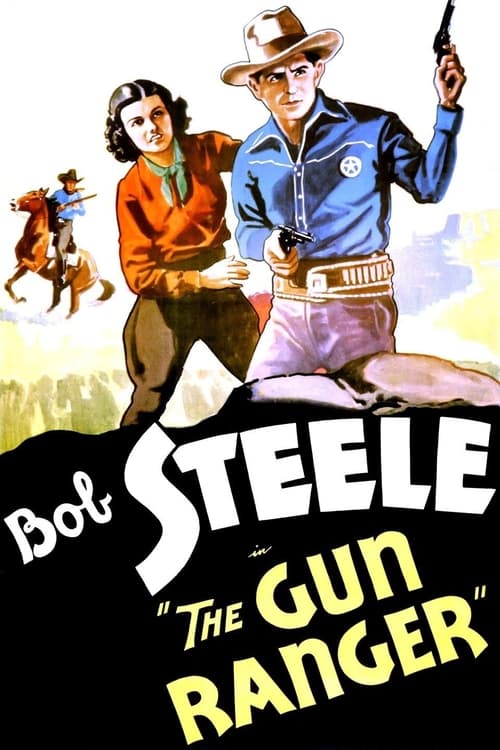
Robert N. Bradbury
Runtime
56 minutes
Average Rating
No ratings yetNew Showbiz Analysis
The Gun Ranger functions as a classic 1930s B-Western, prioritizing genre conventions over social complexity. The plot follows a traditional morality play where a lawman transitions from institutional authority to individual vigilantism to combat corruption. While the film explores themes of political malfeasance and institutional failure, it does so through a narrow lens of masculine heroism. The narrative reinforces established social hierarchies and archetypes rather than challenging them. Ultimately, the film lacks depth in representing diverse identities. It remains a product of its time, focusing on a standard struggle between individual honor and corrupt power structures without expanding its representational scope.
Category Breakdown
The film does not depict any non-binary or LGBTQ+ identities, nor does it show any same-sex relationships. It follows the straight-centered standards typical of 1930s Western cinema.
The story focuses almost entirely on male characters, with the male protagonist navigating masculine authority and violence without challenging traditional gender roles.
The film likely reflects the era's homogeneous casting practices, with no evidence of a diverse cast or non-human metaphors for racial diversity.
The narrative critiques institutional corruption using a standard binary of good versus evil. It relies on traditional clichés of individualistic justice rather than systemic critique.
There is no evidence of characters with visible or invisible disabilities. No such roles are indicated within the narrative framework.
Present on Screen
Limited or Absent
Official Synopsis
A lawman who brings in a killer only to see him freed because of corruption turns in his badge & sets out on his own to rid his town of killers & crooked politicians.
1939
1958
1943

1980
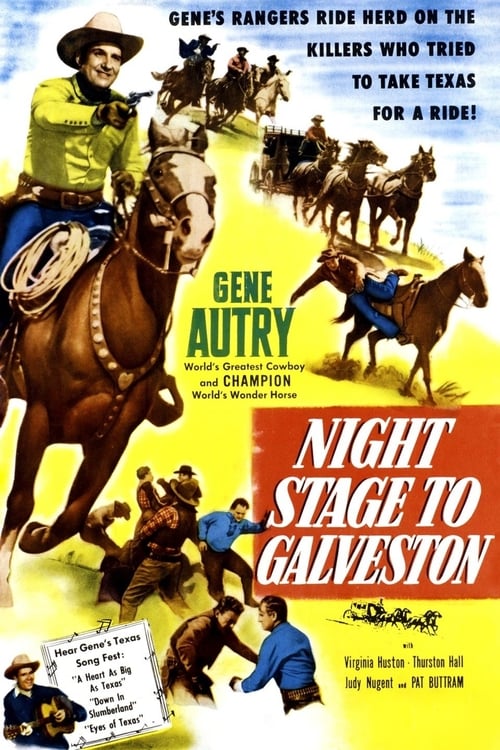
1952

1939
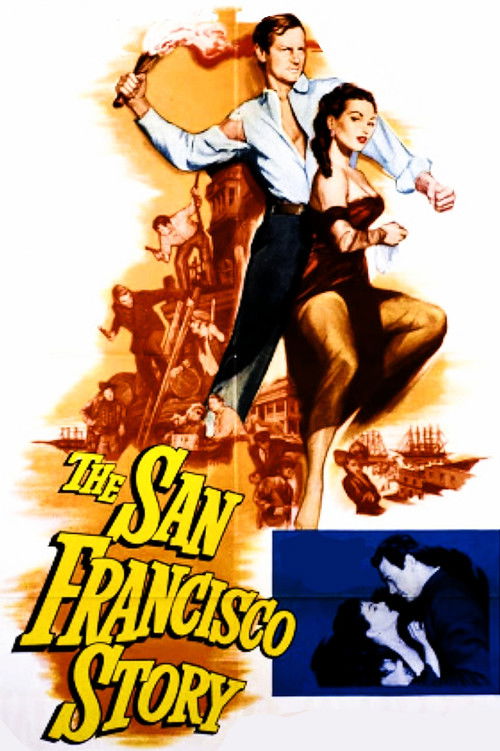
1952
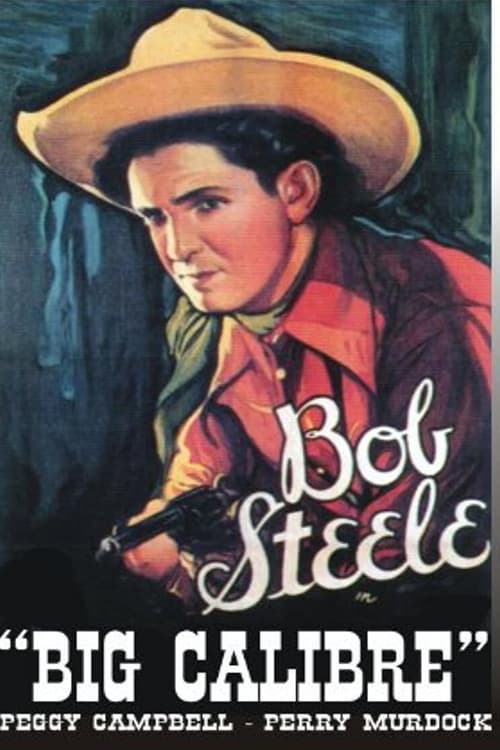
1935
No reviews yet. Be the first to share your thoughts on this movie!
Use the rating form above to leave a star rating and optional review.