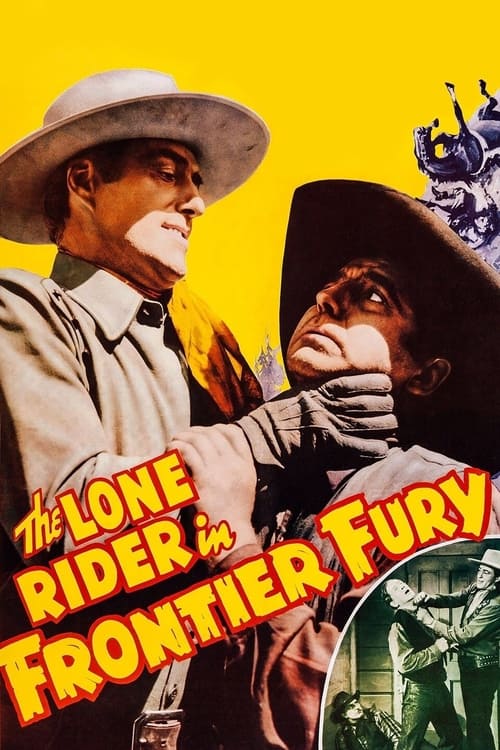
The Lone Rider in Frontier Fury
1941
No user ratings available yet
Representation score: 0.5 out of 10
Representation Score
Minimal
1948
NRDirector
Robert L. Lippert, Paul Landres
Runtime
84 minutes
Average Rating
No ratings yetNew Showbiz Analysis
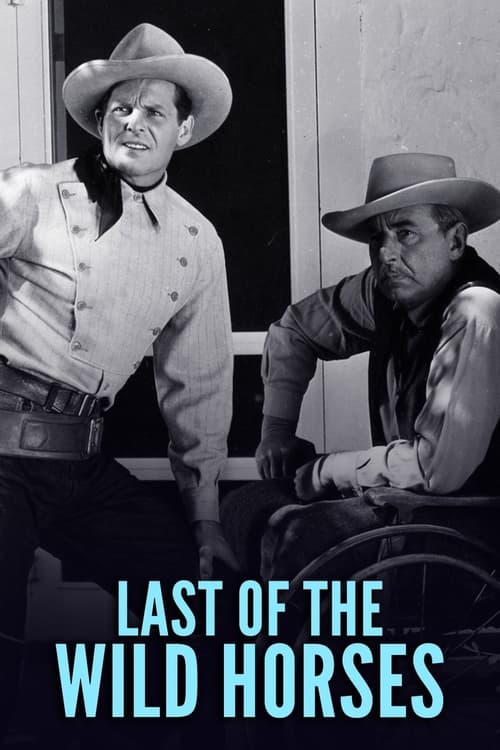
Last of the Wild Horses is a conventional 1948 Western that operates within the rigid social and narrative boundaries of its time. The plot centers on a male protagonist's quest for exoneration, reinforcing traditional masculine archetypes. The film lacks intentionality regarding diverse representation or challenging social hierarchies. Instead, it relies on established genre norms and standard social structures typical of late-1940s B-movie Westerns.
Category Breakdown
The film does not include any LGBTQ+ characters or narratives. It follows the social conventions of 1948 cinema.
The story centers on a male cowboy seeking justice. Female characters are limited to traditional, supportive, or domestic roles within the genre.
The production aligns with the era's tendency toward homogeneous casting. There is no evidence of characters of color with significant roles or diverse casting.
The narrative follows a classical Western framework focused on individualist morality. It lacks any systemic critique or non-traditional cultural perspectives.
No characters with visible or invisible disabilities are portrayed with significant roles. The film lacks representation for the disabled community.
Present on Screen
Limited or Absent
Official Synopsis
A cowboy must clear himself of a murder he did not commit.
1941
1940
1948
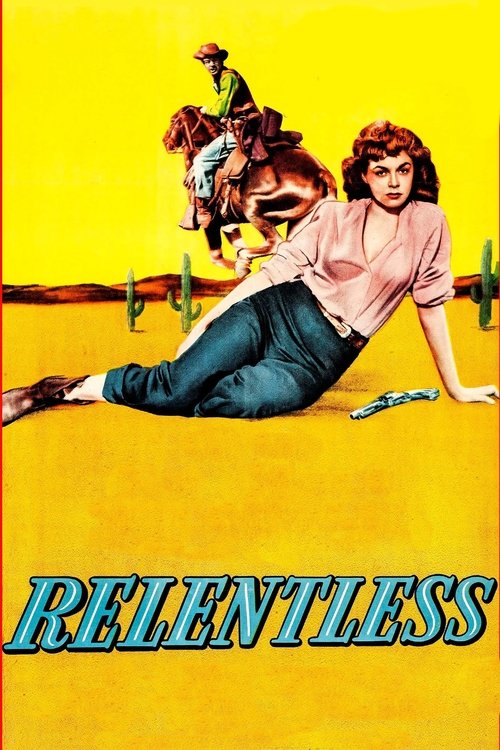
1948
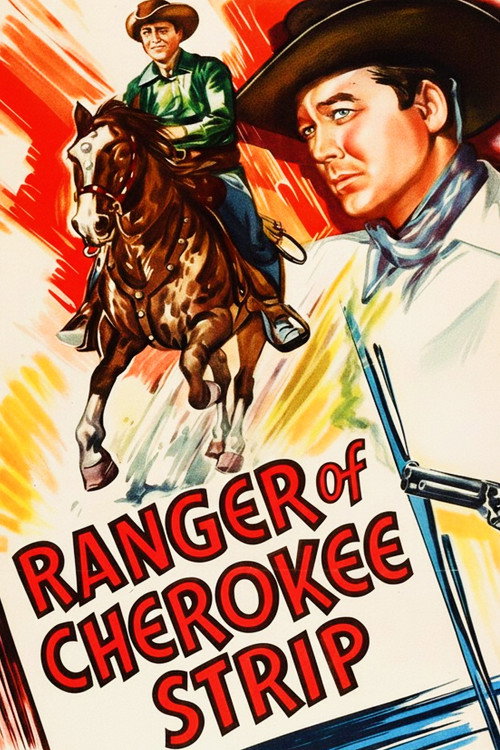
1949
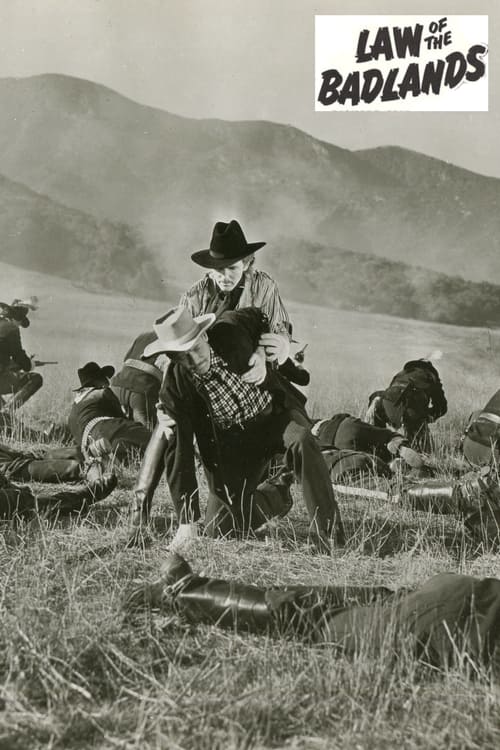
1945
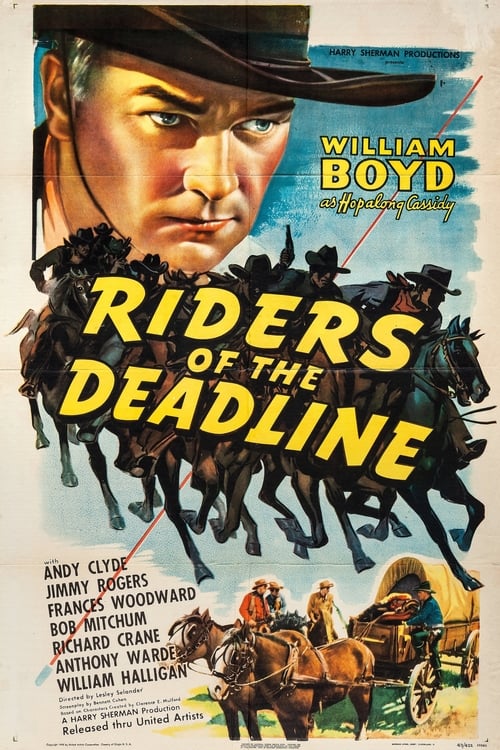
1943
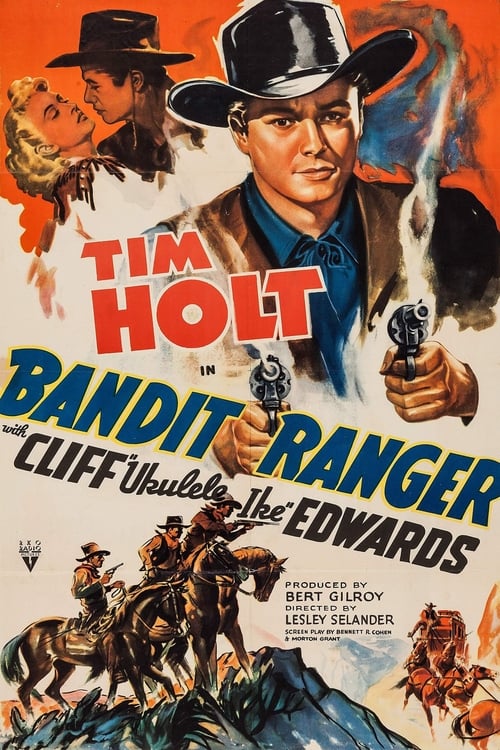
1942
No reviews yet. Be the first to share your thoughts on this movie!
Use the rating form above to leave a star rating and optional review.