Grounds for Marriage
1951
No user ratings available yet
Representation score: 1.6 out of 10
Representation Score
Limited
1955
ApprovedDirector
H. C. Potter
Runtime
93 minutes
Average Rating
No ratings yetNew Showbiz Analysis
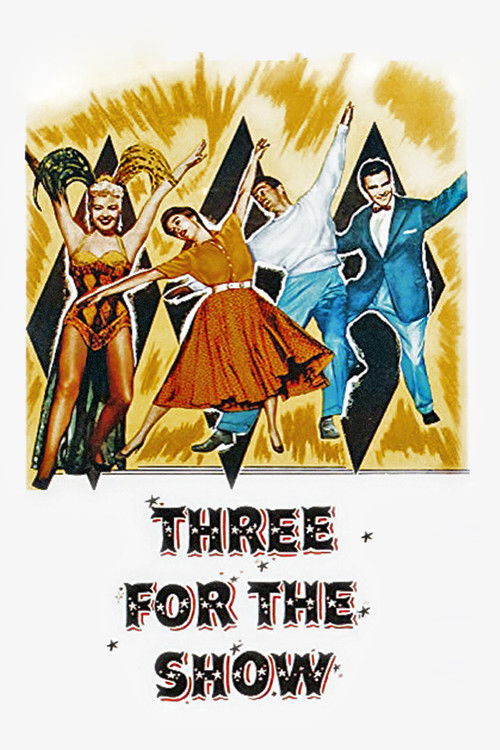
Three for the Show is a classic mid-century musical comedy that emphasizes star power and romantic relationships. While it showcases a strong female lead in a professional capacity, the storyline remains focused on traditional domestic concerns. The film adheres to the cultural norms and social hierarchies of the time, emphasizing marriage, widowhood, and romantic reunions. This adherence to conventional structures restricts the depth of character development and social commentary. Overall, the production reflects the homogeneous casting and cultural norms of 1955, lacking in diverse representation or critical examination of societal issues.
Category Breakdown
The film focuses on traditional romantic relationships centered around marriage and monogamy. There is no depiction of gender identities beyond the cisgender norm or criticism of heterosexual relationships.
The female protagonist holds a powerful position as a top singer and dancer. However, her central conflict revolves around her marital status and domestic life.
The film seems to adhere to the homogeneous, Anglo-centric casting standards common during the mid-century studio era. There is no indication of diverse casting.
The story emphasizes Western social values such as marriage and the nuclear family structure. It does not address secular themes or challenge traditional institutions.
The film does not include any characters with visible or invisible disabilities. There is no representation of neurodivergence or physical disabilities.
Present on Screen
Limited or Absent
Official Synopsis
This musical reworking of Too Many Husbands (1940), features Grable as a top singer and dancer who's been widowed by WW II. She marries her late husband's songwriting partner, Gower Champion, but the new marriage is thrown for a loop when Lemmon, her first husband, turns up very much alive and eager to see Grable.
1951
1954
1943
1941

1945
1951
1950

1953
No reviews yet. Be the first to share your thoughts on this movie!
Use the rating form above to leave a star rating and optional review.