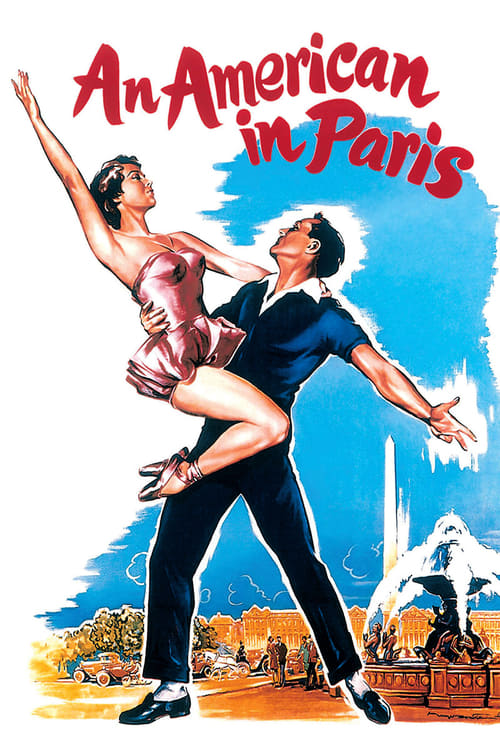
An American in Paris
1951
No user ratings available yet
Representation score: 1.8 out of 10

Representation Score
Minimal
1953
NRDirector
Vincente Minnelli
Runtime
112 minutes
Average Rating
No ratings yetNew Showbiz Analysis
The Band Wagon is a polished masterpiece of the Golden Age, emphasizing theatrical spectacle over social critique. It celebrates the professional arts and the glamour of the stage, focusing on the mechanics of stardom. However, this focus comes at the expense of diversity. The film operates within the homogeneous social hierarchies of the 1950s, offering little room for characters who reflect more than one aspect of diversity or the disruption of traditional norms. Ultimately, the film presents a cohesive, traditional portrait of a specific professional class, upholding the status quo of its era through a lens of commercial achievement.
Category Breakdown
The film follows traditional 1950s structures regarding sexuality and gender. There is no romantic tension outside of conventional courtship between the male and female leads, and no characters with non-binary identities are present.
Female characters show significant professional and technical skill. However, while the film passes the Bechdel test through backstage conversations, it ultimately reinforces traditional gender roles and courtship clichés.
The cast is primarily composed of white actors, reflecting the demographic uniformity of mid-century Broadway. The film does not explore racial or ethnic diversity as a theme.
The story highlights the glamour of the commercial entertainment industry and the prestige of professional arts. It upholds the status of these industries without questioning societal norms.
The narrative does not include characters with visible or invisible disabilities as part of its main storyline.
Present on Screen
Limited or Absent
Official Synopsis
A Broadway artiste turns a faded film star's comeback vehicle into an artsy flop.
1951
1935
1957
1948
1954

1956
1952

1936
No reviews yet. Be the first to share your thoughts on this movie!
Use the rating form above to leave a star rating and optional review.