Music Man
1948
No user ratings available yet
Representation score: 0.8 out of 10
Representation Score
Minimal
1950
NRDirector
Richard Thorpe
Runtime
102 minutes
Average Rating
No ratings yetNew Showbiz Analysis
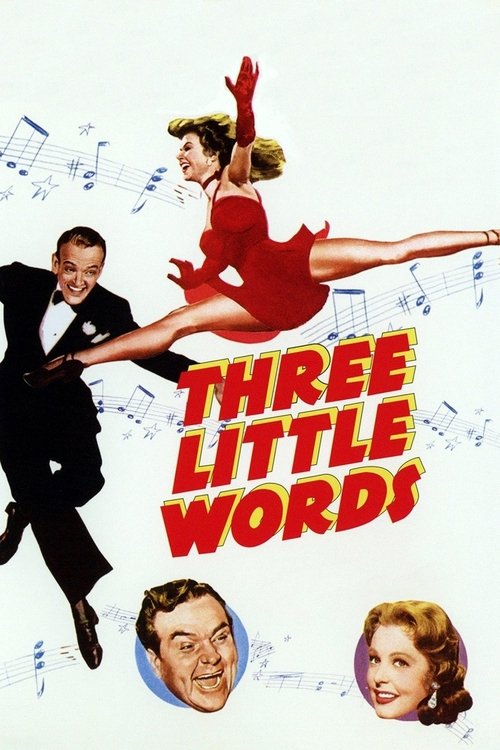
Three Little Words is a traditional mid-century musical that follows the conventions of 1950s Hollywood. It focuses on showcasing talent and romantic relationships rather than diverse perspectives. The film maintains a homogeneous cast and traditional gender roles. While women are involved in professional activities, the main narrative drive is centered on male professional and romantic relationships. Overall, the production lacks complexity in representing different aspects of identity. It relies on typical clichés of the era, emphasizing professional success and social stability over any disruption of prevailing cultural norms.
Category Breakdown
The film does not include any non-binary gender identities or same-sex romantic relationships. The plot centers on heterosexual relationships.
Female characters are involved in songwriting and performance, but the main storyline revolves around male characters. Women's roles are primarily defined by their relationships to the male protagonists.
The cast and setting are very homogeneous, with no characters of color having significant roles. The film features a predominantly white cast.
The story upholds traditional Western social structures and values. It emphasizes social conformity and respects conventional morality without challenging it.
A physical injury to Bert Kalmar serves as a plot device to advance the story. The film does not explore disability in a nuanced way.
Present on Screen
Limited or Absent
Official Synopsis
Song-and-dance man Bert Kalmar can't continue his stage career after an injury, so he has to earn his money as a lyricist. By chance, he meets composer Harry Ruby and their first song is a hit. Ruby gets Kalmar to marry his former partner Jessie Brown, and Kalmar and Jessie prevent Ruby from getting married to the wrong girls. But due to the fact that Ruby has caused a backer's withdrawal for a Kalmar play, they end their professional relationship.
1948
1951
1947
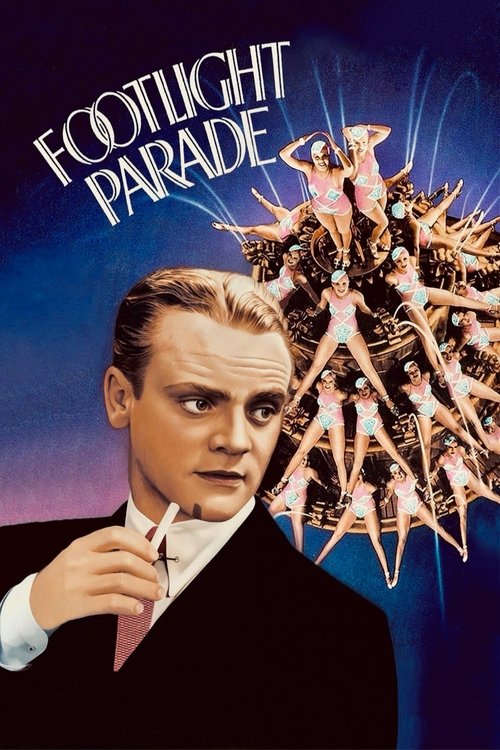
1933
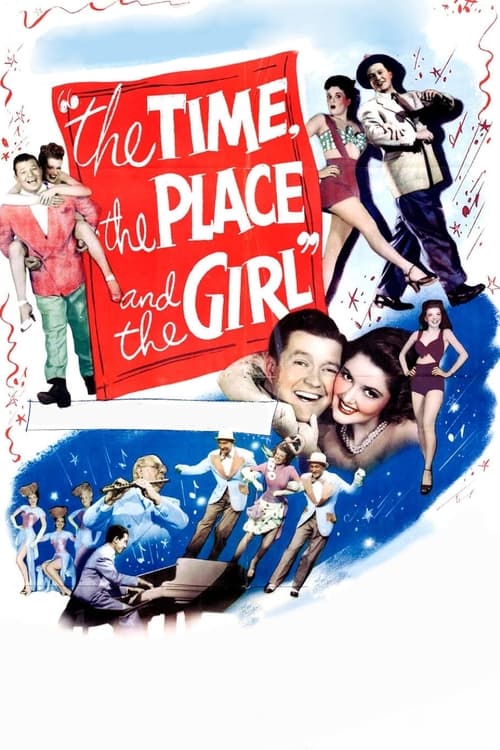
1946

1953
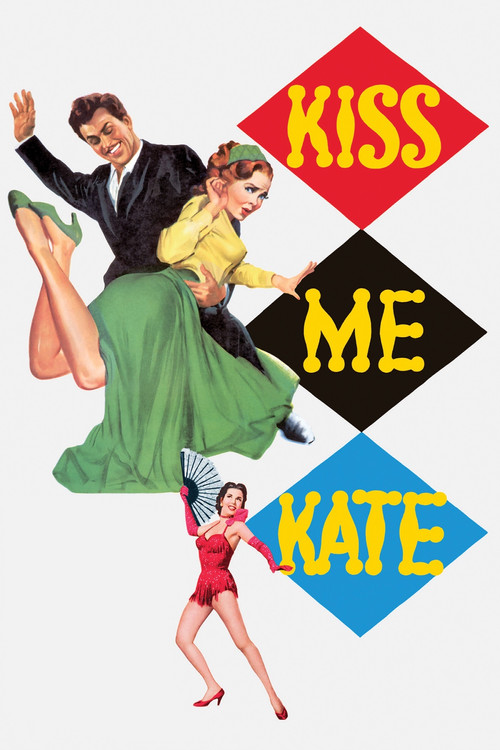
1953
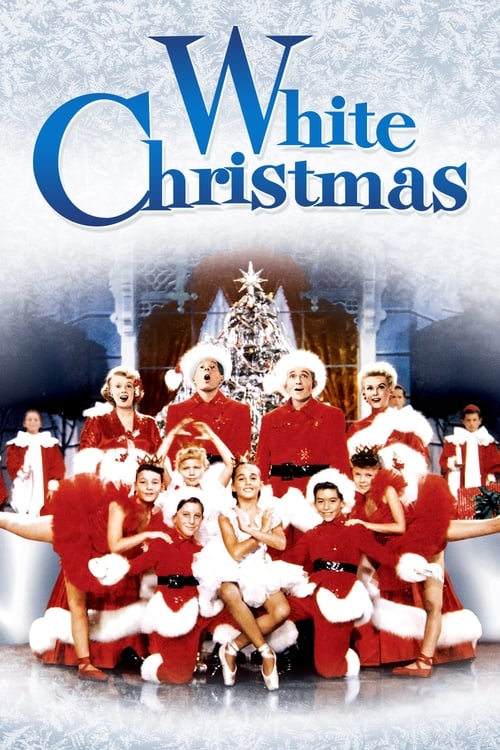
1954
No reviews yet. Be the first to share your thoughts on this movie!
Use the rating form above to leave a star rating and optional review.