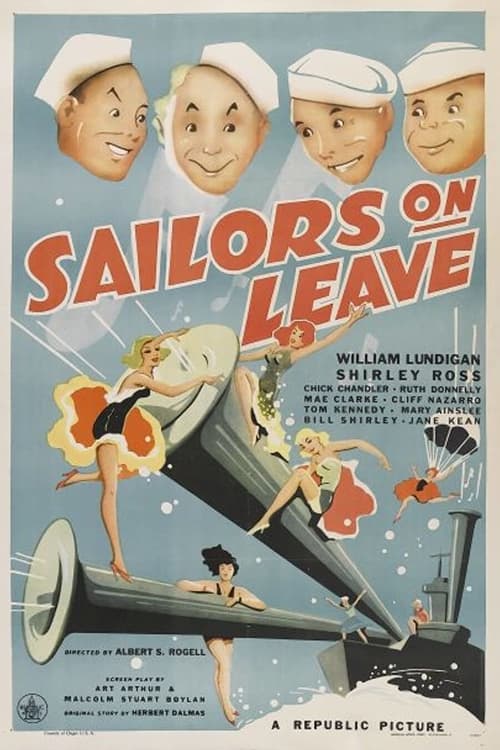
Sailors on Leave
1941
No user ratings available yet
Representation score: 0.7 out of 10
Representation Score
Minimal
1943
ApprovedDirector
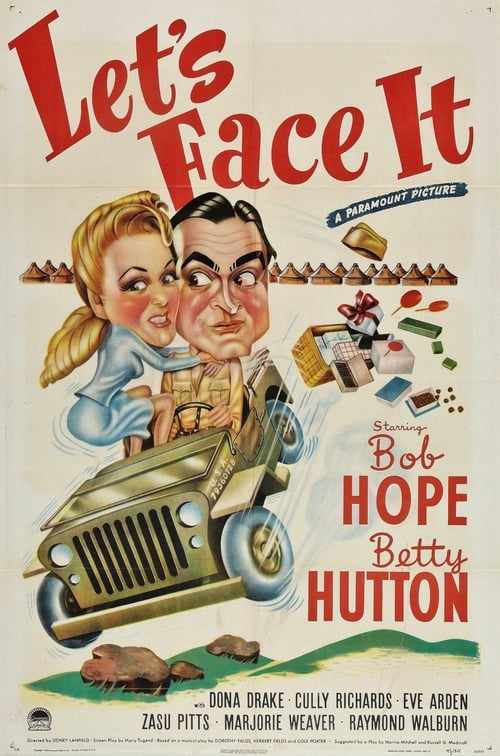
Sidney Lanfield
Runtime
76 minutes
Average Rating
No ratings yetNew Showbiz Analysis
Let's Face It is a quintessential product of the 1943 studio era, prioritizing traditional comedic structures over social diversity. The narrative centers on a heterosexual romance and adheres to the demographic hierarchies of its time. While Eleanor Parker's character plays a significant role through her business, the film remains anchored in mid-century gender archetypes. The lack of racial, cultural, or disability representation reflects the insulated socioeconomic setting of the production. Ultimately, the film functions as a lighthearted situational comedy that reinforces, rather than challenges, the social norms of the period.
Category Breakdown
The film follows a strictly heterosexual and cisgender structure typical of the 1940s. No characters with non-traditional gender identities or same-sex relationships are present.
Eleanor Parker's character plays a significant role in driving the story through her business, yet the plot relies on traditional romantic clichés. The film reinforces mid-century gender hierarchies rather than challenging them.
The cast is predominantly white, reflecting a homogeneous social environment. There is a lack of diverse ethnic backgrounds or characters with meaningful roles.
The story operates within a conventional capitalist framework without critiquing Western institutions. Themes of marriage and social standing are presented through a traditional lens.
No visible or invisible disabilities are portrayed. Characters are depicted through the lens of physical conventionality common in Golden Age Hollywood.
Present on Screen
Limited or Absent
Official Synopsis
A soldier stationed on an army base and his fiancé, who runs a women's "fat farm" nearby, want to get married but don't have enough money. Three customers of the "fat farm" scheme to get back at their philandering husbands by hiring the soldier and two of his buddies as "escorts" for the weekend. Complications ensue when the husbands show up unexpectedly.
1941
1941
1943
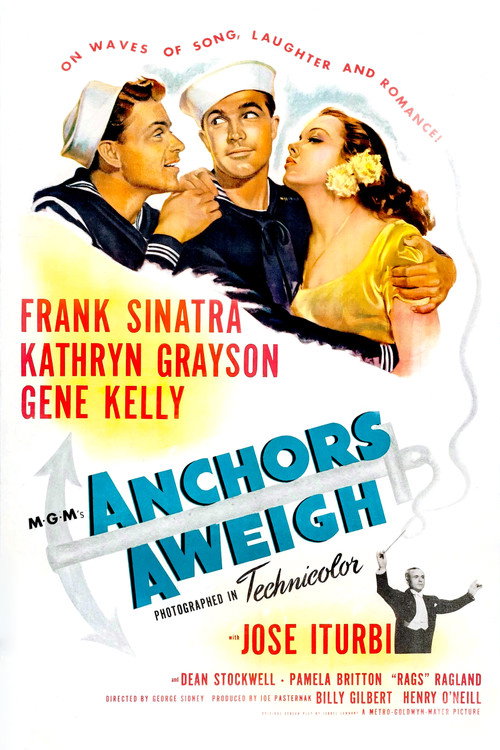
1945
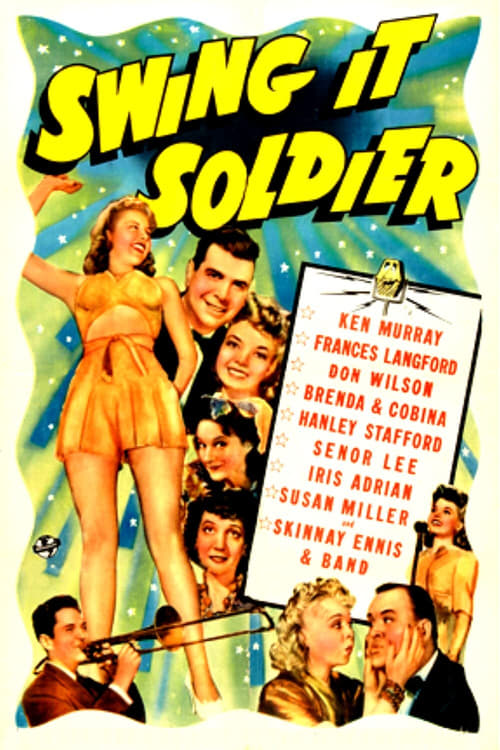
1941
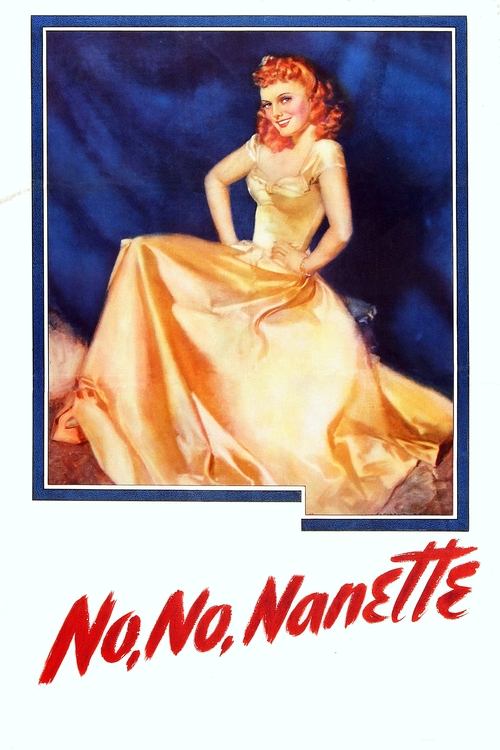
1940
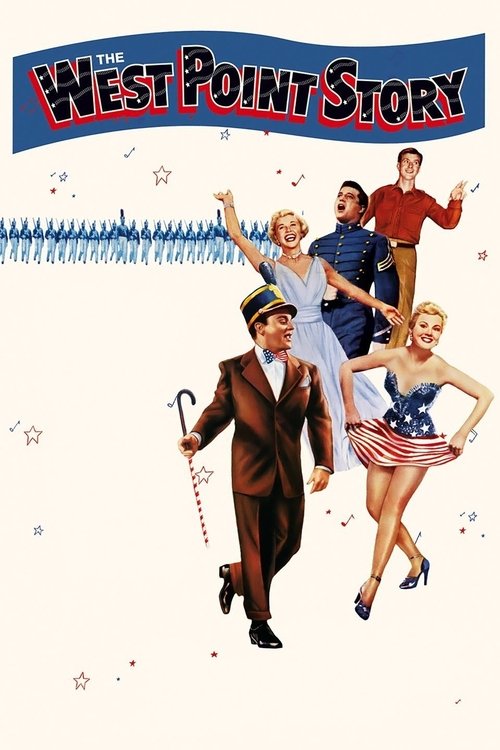
1950
1943
No reviews yet. Be the first to share your thoughts on this movie!
Use the rating form above to leave a star rating and optional review.