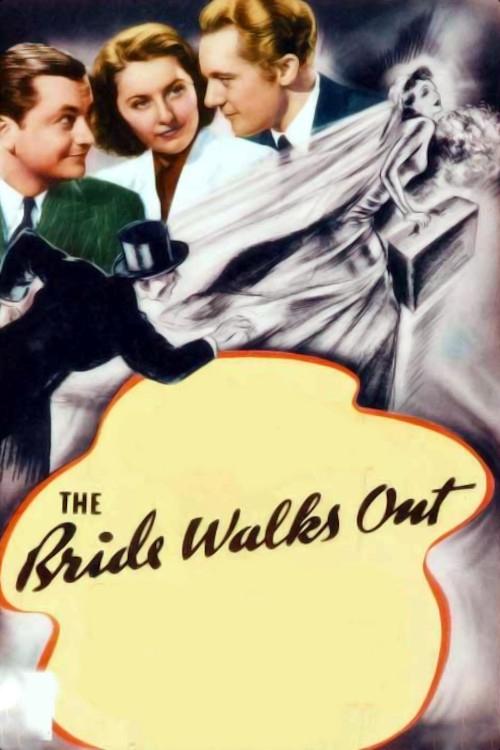
The Bride Walks Out
1936
No user ratings available yet
Diversity score: 4.3 out of 10
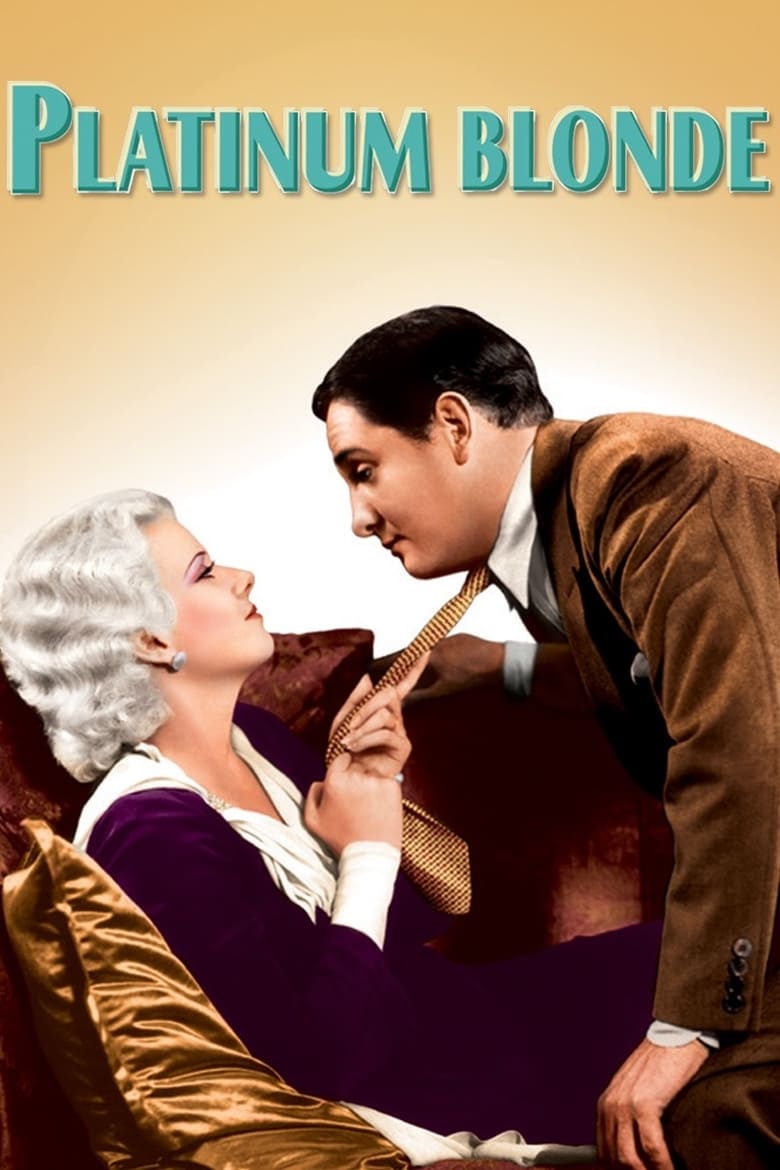
1931
ApprovedDirector
Frank Capra
Runtime
89 minutes
Average Rating
No ratings yetSynopsis
Ann Schuyler is an upper-crust socialite who bullies her reporter husband into conforming to her highfalutin ways. The husband chafes at the confinement of high society, though, and yearns for a creative outlet. He decides to write a play and collaborates with a fellow reporter.
Overall Score
Limited
Category Breakdown
LGBTQ+ Representation
The film lacks LGBTQ+ characters or non-heteronormative identities. The romantic structure relies entirely on traditional heterosexual dynamics.
Gender Representation
Jean Harlow’s character demonstrates significant agency and sexual assertiveness. She navigates class structures through strategic intellect rather than passive submission.
Racial & Ethnic Diversity
The cast is predominantly white and Anglo-Saxon. The narrative focuses on socioeconomic divides within a homogeneous demographic without racial blending.
Religious & Cultural Diversity
The story critiques the emptiness of high-society materialism and Western capitalist structures. It portrays luxury as a survival mechanism rather than a virtue.
Disability Representation
No visible or invisible disabilities are portrayed within the central narrative arc.
Strengths
Areas for Improvement
AI Analysis
Platinum Blonde succeeds in subverting early 1930s gender norms by centering on a female protagonist who wields social and physical power. The film moves away from the 'male provider' trope, instead highlighting a woman's ability to manipulate class hierarchies. However, the film is extremely limited in its intersectional scope. It lacks any representation of LGBTQ+ identities or individuals with disabilities. The racial landscape is also strictly homogeneous, reflecting the systemic limitations of the era. Ultimately, the film is a focused study of class mobility and gendered agency. While it offers a sharp critique of social standing and materialism, it does so within a very narrow demographic framework.
1936

1935
1936
1928
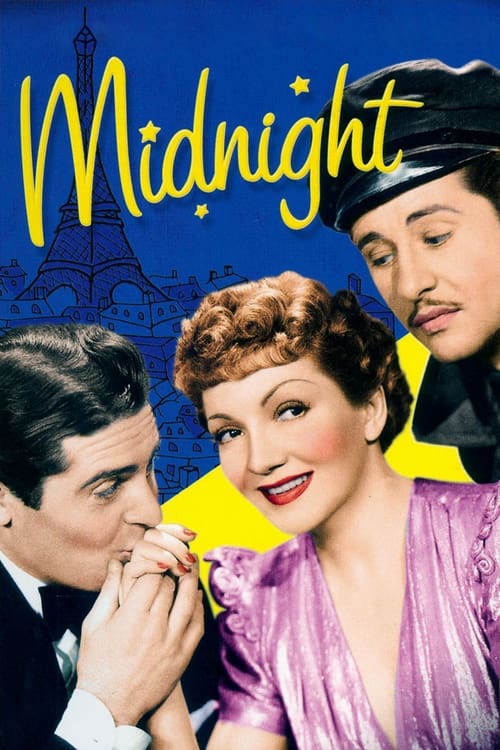
1939

1932
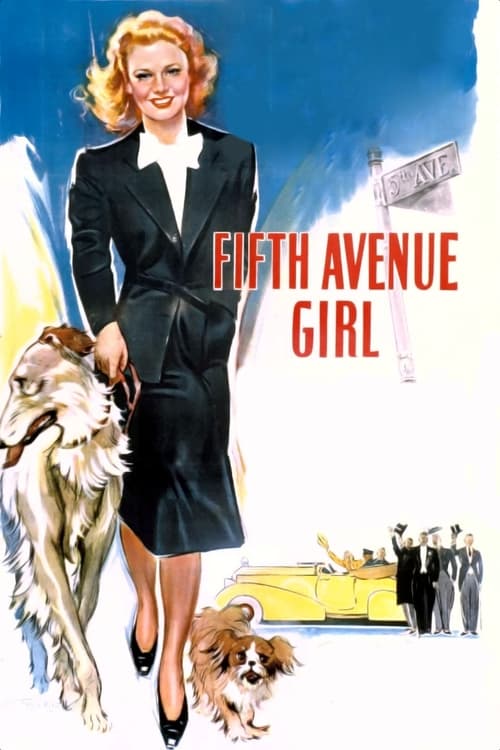
1939
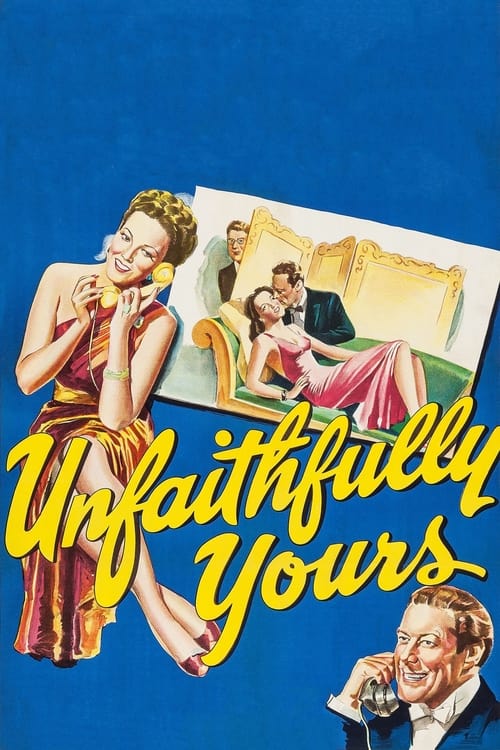
1948
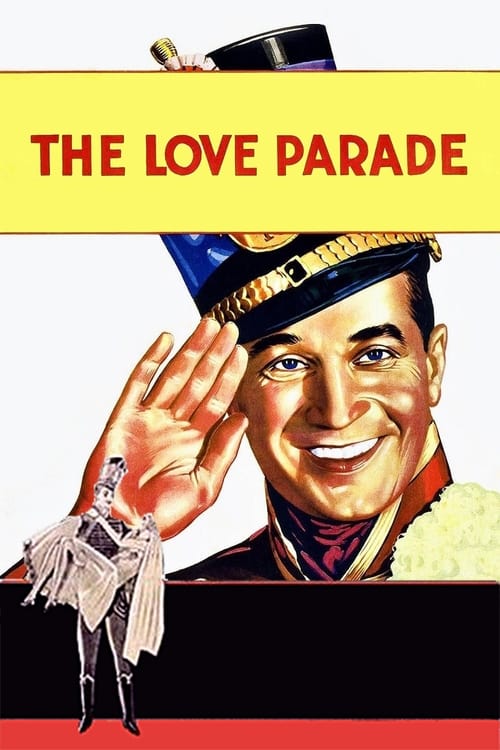
1929
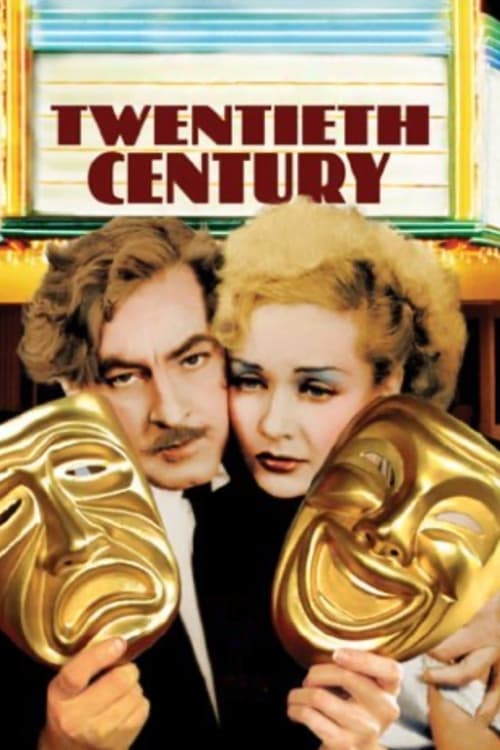
1934
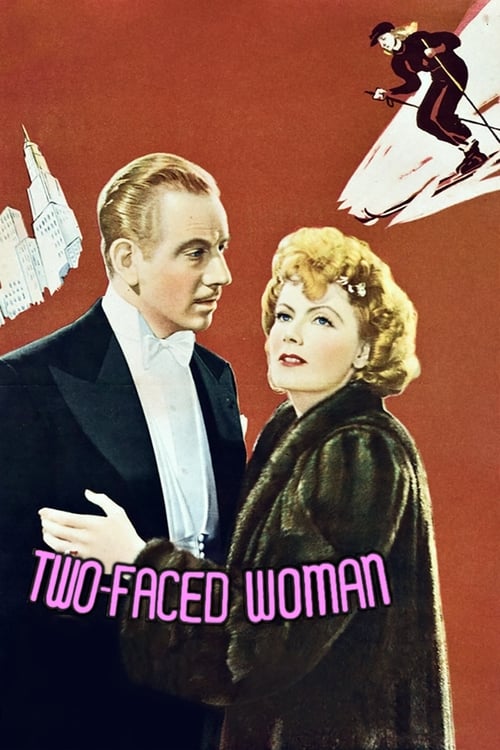
1941
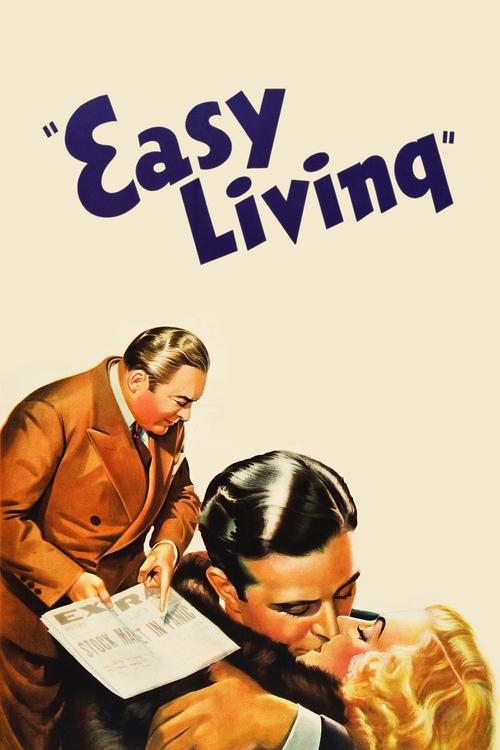
1937
No reviews yet. Be the first to share your thoughts on this movie!
Use the rating form above to leave a star rating and optional review.