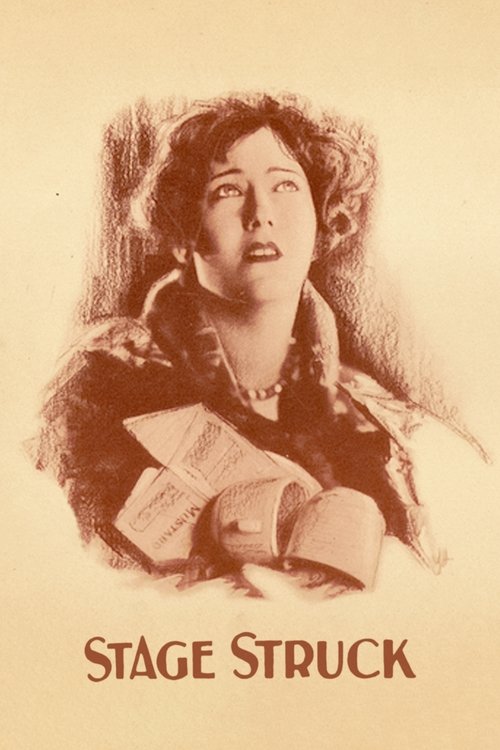
Stage Struck
1925
No user ratings available yet
Representation score: 1.8 out of 10
Representation Score
Limited
1928
PassedDirector
King Vidor
Runtime
79 minutes
Average Rating
No ratings yetNew Showbiz Analysis
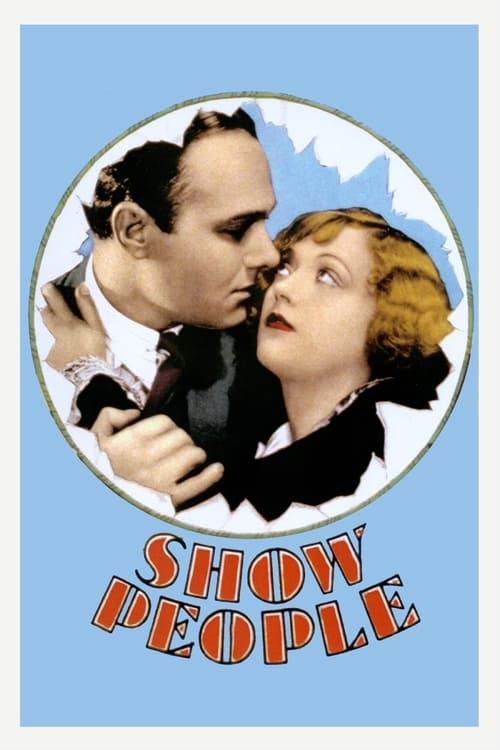
Show People stands as a sophisticated deconstruction of the 'star persona' and the mechanics of fame. While it lacks modern multi-layered diversity, its narrative structure is progressive for its time. The film's primary strength lies in its psychological depth and its ability to challenge social and professional hierarchies. It centers female ambition and the intellectual labor required to navigate a burgeoning industry. However, the film remains limited by the social constraints of 1928. It lacks representation regarding race, orientation, and disability, reflecting the homogeneous nature of the era's studio system.
Category Breakdown
The film adheres to the conventional romantic and social structures of the late 1920s. It does not include LGBTQ+ characters or critiques of the assumption that everyone is straight or cisgender.
Peggy Pepper is a proactive protagonist who drives her own professional trajectory through talent and strategic maneuvering within the studio system.
The cast and narrative focus remain largely homogeneous. There is no documented evidence of non-white actors or intentional racial blending in this 1928 production.
The film provides a meta-textual critique of the Hollywood studio system and capitalist structures. It highlights the socioeconomic divide between working artists and the elite.
There are no visible or invisible disabilities portrayed as central to the character arcs or narrative development.
Present on Screen
Limited or Absent
Official Synopsis
Hollywood hopeful Peggy Pepper arrives at a major studio, from Georgia, to become a great dramatic star. Things don't go entirely according to plan.
1925

1934

1932
1925
1947

1928

1928
1928
No reviews yet. Be the first to share your thoughts on this movie!
Use the rating form above to leave a star rating and optional review.