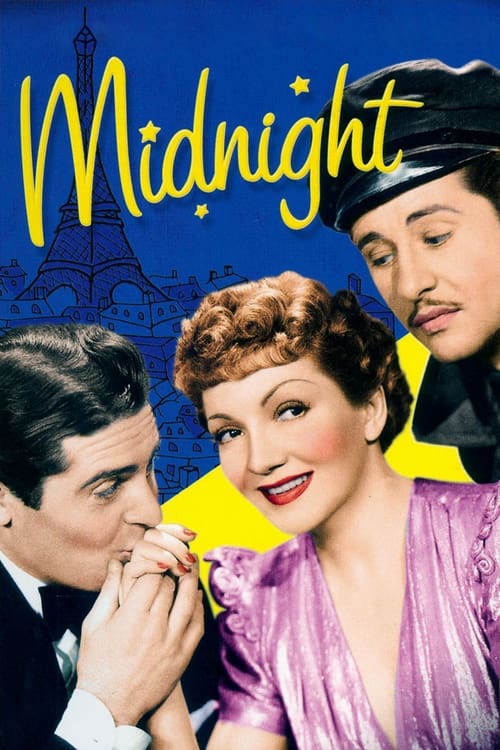
Midnight
1939
No user ratings available yet
Diversity score: 3.7 out of 10
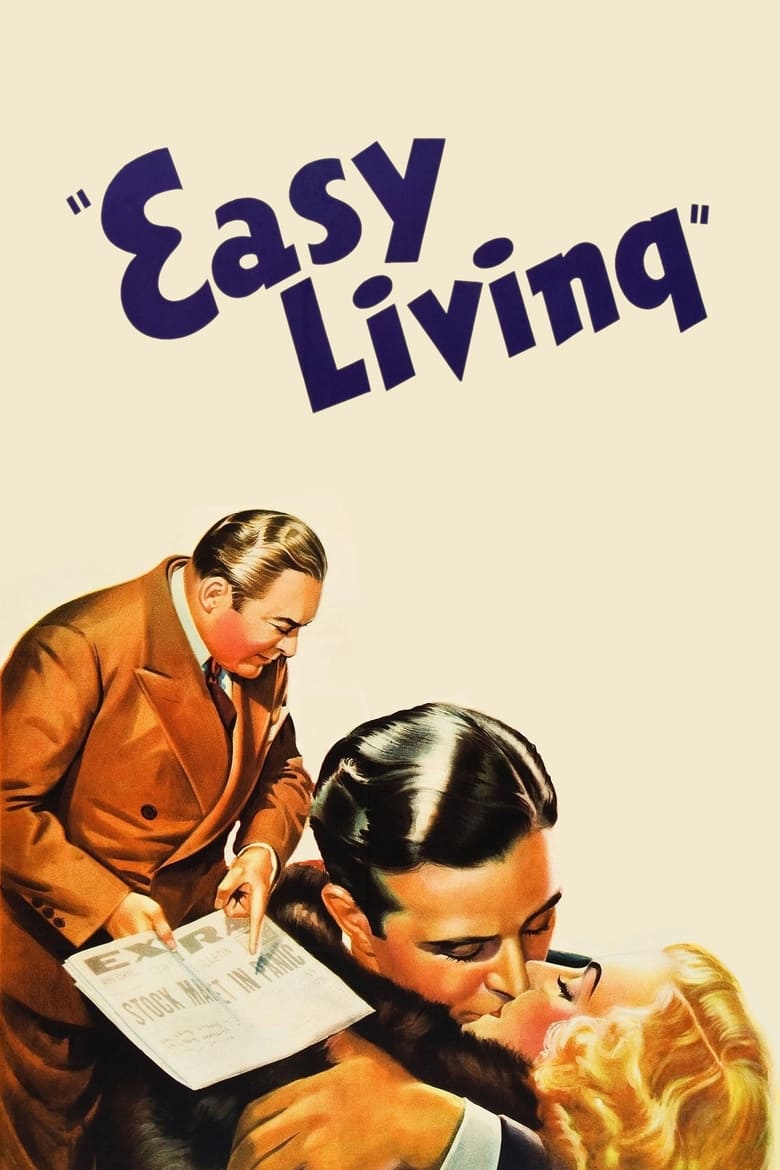
1937
ApprovedDirector
Mitchell Leisen
Runtime
88 minutes
Average Rating
No ratings yetSynopsis
J.B. Ball, a rich financier, gets fed up with his free-spending family. He takes his wife's just-bought (very expensive) sable coat and throws it out the window, it lands on poor hard-working girl Mary Smith. But it isn't so easy to just give away something so valuable, as he soon learns.
Overall Score
Limited
Category Breakdown
LGBTQ+ Representation
The film centers on traditional romantic pursuits and heteronormative social structures. There is no evidence of non-cisnormative gender identities or same-sex intimacy.
Gender Representation
The female lead demonstrates significant intellectual agency and verbal dexterity. She utilizes wit to navigate social circumstances, subverting traditional patriarchal hierarchies through screwball comedy tropes.
Racial & Ethnic Diversity
The cast is predominantly homogeneous, focusing almost exclusively on the white upper class. There is a notable lack of racial or ethnic complexity in the narrative.
Religious & Cultural Diversity
The story uses socioeconomic disparity as a comedic engine rather than a systemic critique. It maintains traditional portrayals of the family unit and social institutions.
Disability Representation
The film does not feature characters with visible or invisible disabilities. It does not engage with neurodivergence or physical impairment within its narrative arc.
Strengths
Areas for Improvement
AI Analysis
Easy Living is a quintessential product of the 1930s studio system, prioritizing high-society escapism and class-based whimsy. Its progressive elements are localized, primarily found in the way it grants the female protagonist intellectual dominance and agency within the screwball genre. However, the film remains deeply traditional in its broader social outlook. It lacks racial, ethnic, and LGBTQ+ diversity, adhering strictly to the heteronormative and homogeneous standards of its era. The narrative focuses on the friction between socioeconomic tiers without offering a substantive critique of Western values or systemic institutions.
1939
1951

1940
1939
1938

1934

1938
1954

1934
1938
1951
1938
No reviews yet. Be the first to share your thoughts on this movie!
Use the rating form above to leave a star rating and optional review.