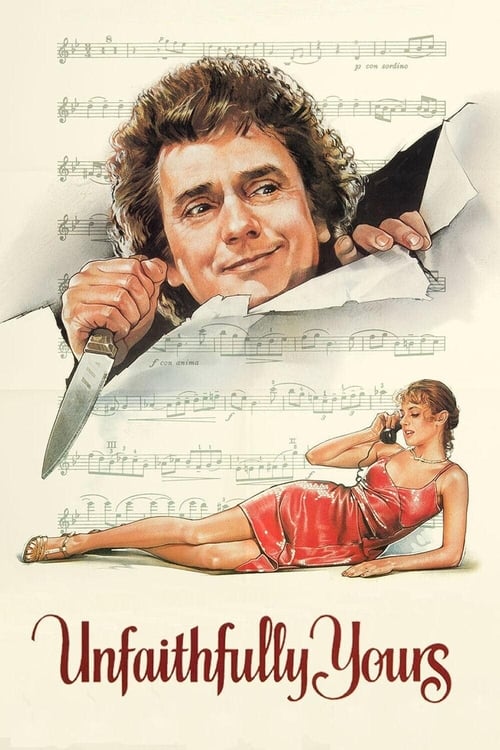
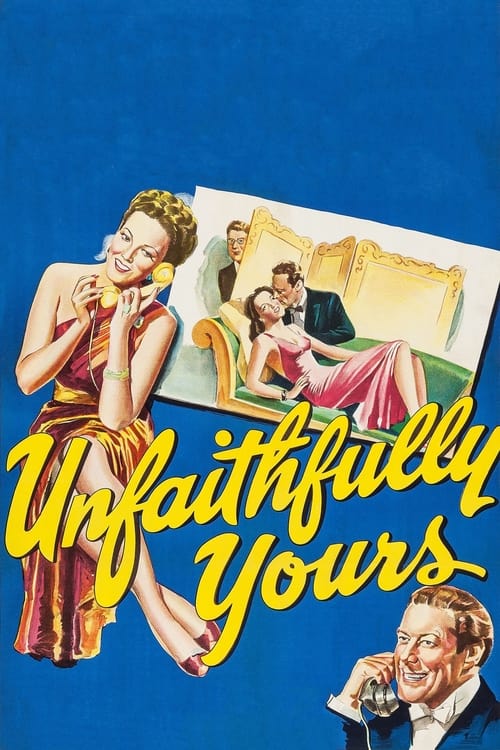
Unfaithfully Yours
1984
No user ratings available yet
Representation score: 5.2 out of 10
Representation Score
Limited
1948
NRDirector
Preston Sturges
Runtime
105 minutes
Average Rating
No ratings yetNew Showbiz Analysis
Preston Sturges uses screwball comedy to disrupt mid-century social decorum. While the film is limited by the era's lack of racial and LGBTQ+ diversity, it finds strength in its subversion of domestic hierarchies. The narrative challenges the traditional power imbalance between husbands and wives. By treating infidelity as a negotiable social experiment, the film moves away from rigid moralism toward a more relativistic view of marriage. Ultimately, the film's progressive treatment of women's ability to drive the story and its questioning of established social contracts provide a complexity that offsets its lack of demographic variety.
Category Breakdown
The film focuses solely on heterosexual relationships and does not include any representation of LGBTQ+ identities or queer perspectives.
Daphne plays a significant role in driving the story, subverting the mid-century stereotype of the passive wife. She actively participates in an experimental arrangement to pursue personal autonomy.
The cast is predominantly white and Anglo-Saxon. The film lacks intentionality regarding the inclusion of characters of diverse racial backgrounds, reflecting the era's homogeneous social landscape.
The narrative deconstructs the sanctity of marriage by framing infidelity as a negotiable experiment. It prioritizes personal desire and situational ethics over traditional Christian morality.
There are no visible or invisible disabilities portrayed as central to the character arcs or plot progression.
Present on Screen
Limited or Absent
Official Synopsis
Before he left for a brief European visit, symphony conductor Sir Alfred De Carter casually asked his staid brother-in-law August to look out for his young wife, Daphne, during his absence. August has hired a private detective to keep tabs on her. But when the private eye's report suggests Daphne might have been canoodling with his secretary, Sir Alfred begins to imagine how he might take his revenge.
1984

1938

1932

1942
1942

1952
1924

1939
No reviews yet. Be the first to share your thoughts on this movie!
Use the rating form above to leave a star rating and optional review.