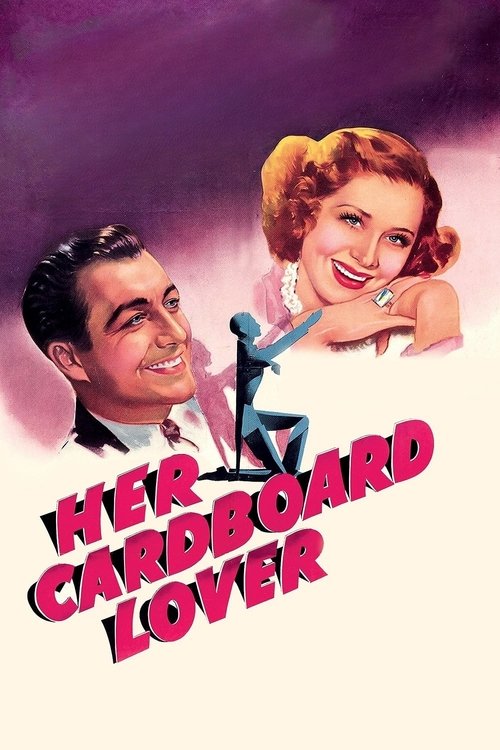
Her Cardboard Lover
1942
No user ratings available yet
Representation score: 0.8 out of 10
Representation Score
Limited
1941
ApprovedDirector
George Cukor
Runtime
90 minutes
Average Rating
No ratings yetNew Showbiz Analysis
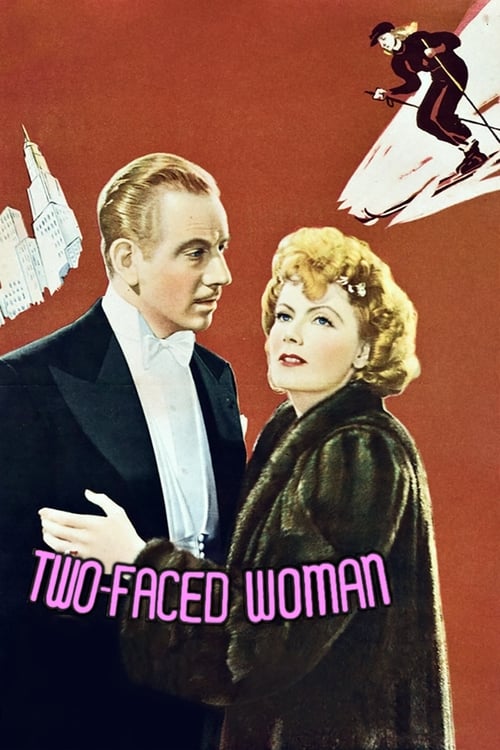
Two-Faced Woman is a sophisticated social satire that looks at the performance of class and femininity. By focusing on a woman's intellectual strategies, it challenges traditional gender roles of the time. However, the film's progressive message is limited by its lack of diversity. The narrative is almost entirely white and centered around heterosexual relationships, reflecting the exclusionary practices of the early 1940s. While it offers a sharp critique of upper-class superficiality, the absence of racial, LGBTQ+, and disability representation prevents it from having a wider social impact.
Category Breakdown
The film doesn't include any LGBTQ+ characters or stories. The romantic storyline focuses solely on traditional heterosexual relationships.
The story centers on a woman's intelligence and psychological depth. She uses cunning and wit to regain control over her life and marriage.
The cast is almost entirely made up of white characters from wealthy backgrounds. There is no meaningful representation of non-white identities.
The film criticizes the moral emptiness of extreme wealth and high society. It explores the clash between individuals and societal institutions.
The story focuses on cosmetic changes and vanity rather than the real experiences of people with disabilities. It does not explore mental or physical impairments.
Present on Screen
Limited or Absent
Official Synopsis
A woman pretends to be her own twin sister to win back her straying husband.
1942
1948
1939
1926
1932
1938
1945
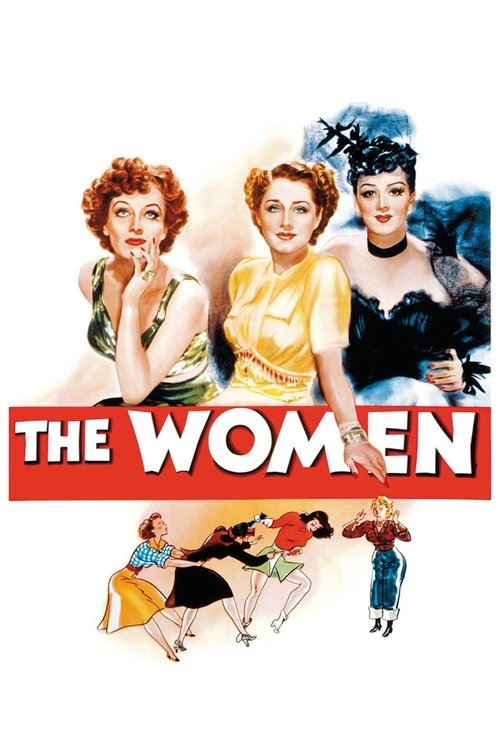
1939
No reviews yet. Be the first to share your thoughts on this movie!
Use the rating form above to leave a star rating and optional review.