Old Man Made in Spain
1969
No user ratings available yet
Diversity score: 2.3 out of 10

1967
Director
Pedro Lazaga Sabater
Runtime
84 minutes
Average Rating
No ratings yetSynopsis
Madrid, Spain. When a religious community running an orphanage buys a car, the vivacious and intrepid Sister Tomasa accepts the task of getting behind the wheel.
Overall Score
Minimal
Category Breakdown
LGBTQ+ Representation
The film lacks evidence of LGBTQ+ characters or non-heteronormative identities. The narrative focus on a religious community suggests a framework centered on traditional social structures.
Gender Representation
Sister Tomasa offers a localized disruption of gendered expectations through her vivacious and intrepid personality. However, her agency remains contained within the strict framework of a religious institution.
Racial & Ethnic Diversity
The setting in 1960s Madrid and the focus on a local orphanage suggest a demographic homogeneity. There is no indication of racial blending or diverse casting.
Religious & Cultural Diversity
The story reinforces traditional Western and religious institutions. The plot prioritizes religious morality and institutional stability over secularism or the critique of social structures.
Disability Representation
While the film features an orphanage, there is no evidence that characters with disabilities are central to the narrative or portrayed with specific agency.
Strengths
Areas for Improvement
AI Analysis
Sor Citroen is a period-specific comedy that operates within the conventional social and religious boundaries of 1960s Spain. It reflects the mainstream comedic structures and institutional frameworks prevalent during that era. The film's primary source of subversion is the character of Sister Tomasa, who challenges domestic expectations of female passivity by taking on the traditionally male-coded task of driving. However, this agency is limited by the film's adherence to religious and traditionalist norms. Overall, the work lacks intersectional depth, relying on a homogeneous cast and a narrative architecture that reinforces established religious and cultural hierarchies rather than questioning them.
1969
1977
1972
1971
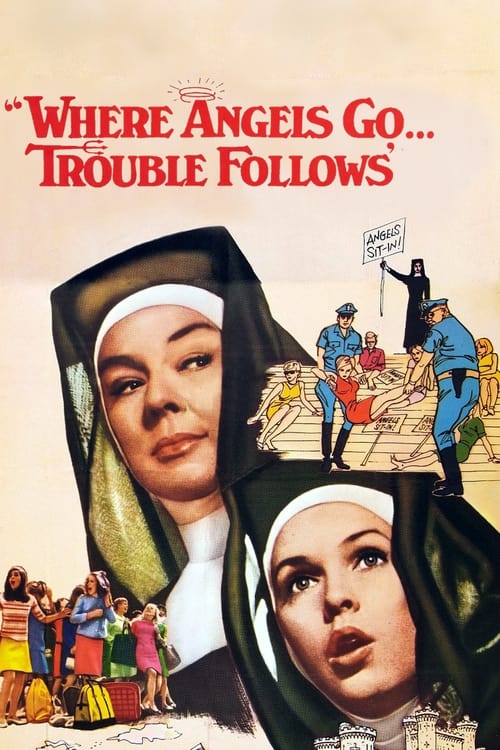
1968
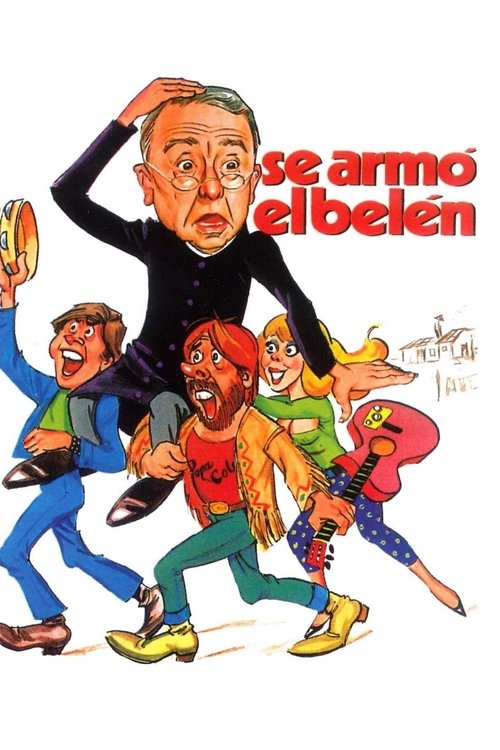
1969

1991

1961
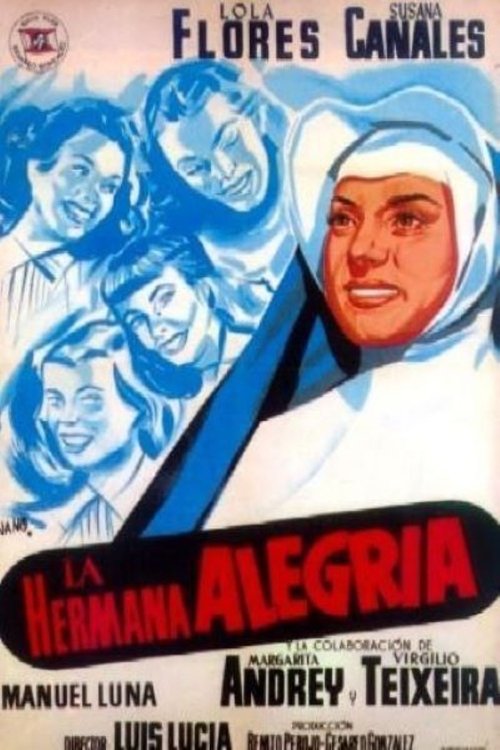
1955
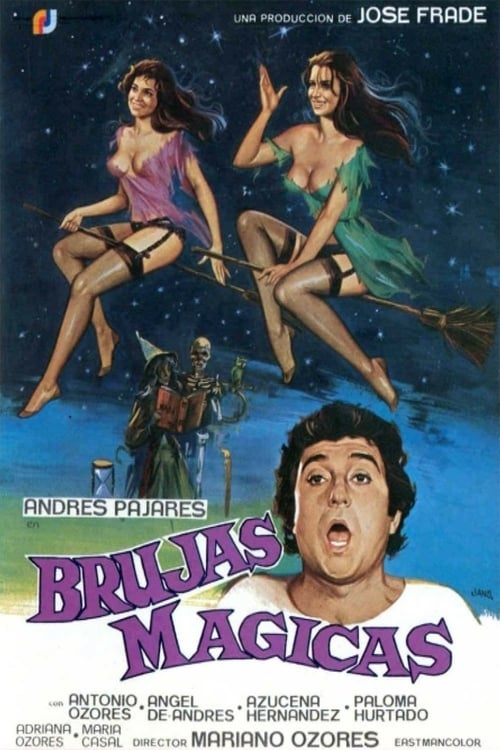
1981
1980
1975
No reviews yet. Be the first to share your thoughts on this movie!
Use the rating form above to leave a star rating and optional review.