
Vota a Gundisalvo
1978
No user ratings available yet
Representation score: 3.0 out of 10
Representation Score
Minimal
1972
Director
Pedro Lazaga Sabater
Runtime
0 minutes
Average Rating
No ratings yetNew Showbiz Analysis
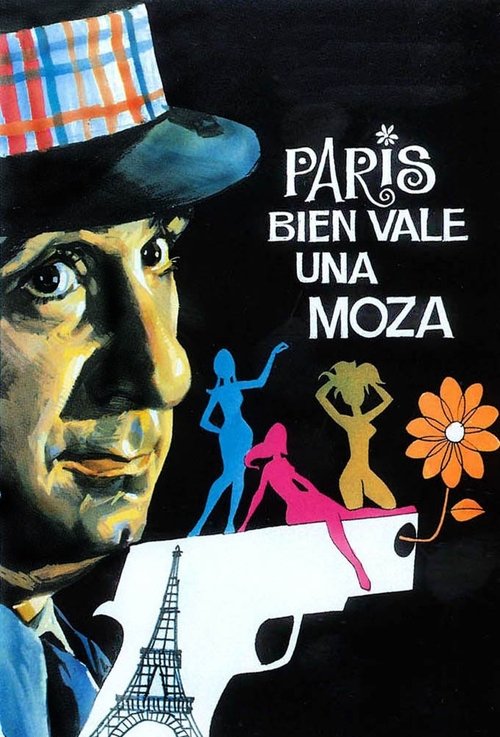
París bien vale una moza is a product of its time, functioning as a mainstream commercial comedy designed for broad domestic appeal. It prioritizes traditional narrative structures and cultural norms over progressive storytelling. The film operates within a conventional framework that reinforces the sociopolitical status quo of the late Francoist era. It lacks intentional subversion of systemic hierarchies, focusing instead on established social decorum and traditional family values. Ultimately, the work serves as a representative example of mid-20th-century Spanish cinema, offering a homogeneous view of society that lacks modern diversity in gender, race, or sexual orientation.
Category Breakdown
The film follows the standard heterosexual norms of 1972 Spanish cinema. There is no depiction of non-traditional gender identities or same-sex relationships.
Gender roles adhere to the traditional hierarchies of the time. While female characters may have individual influence, the film upholds conventional gender roles without challenging patriarchal structures.
The production reflects a culturally uniform society. The casting lacks ethnic diversity, presenting a homogeneous population consistent with Spanish films of the period.
The narrative aligns with the social and religious values of early 1970s Spain. It emphasizes traditional institutions like family and decorum without providing secular critiques.
There is no explicit evidence regarding the inclusion or portrayal of characters with physical or neurodivergent disabilities.
Present on Screen
Limited or Absent
1978

1971
1963
1975
1988
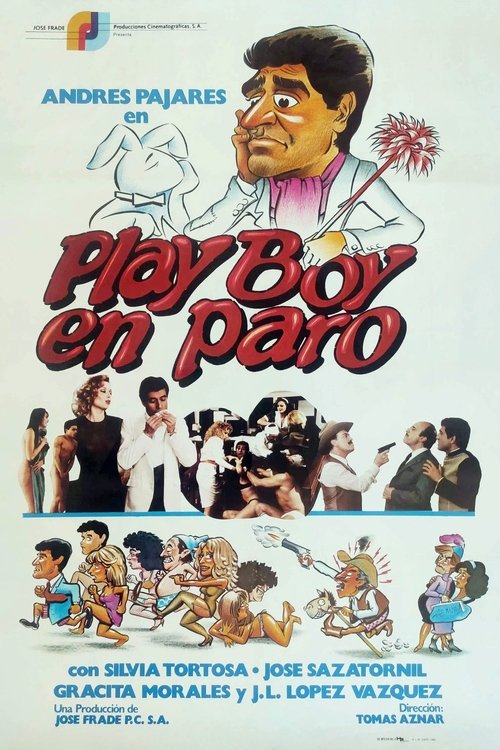
1984
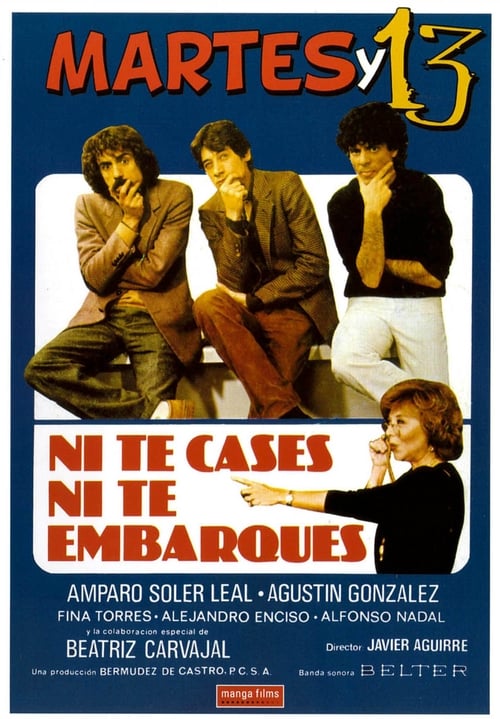
1982
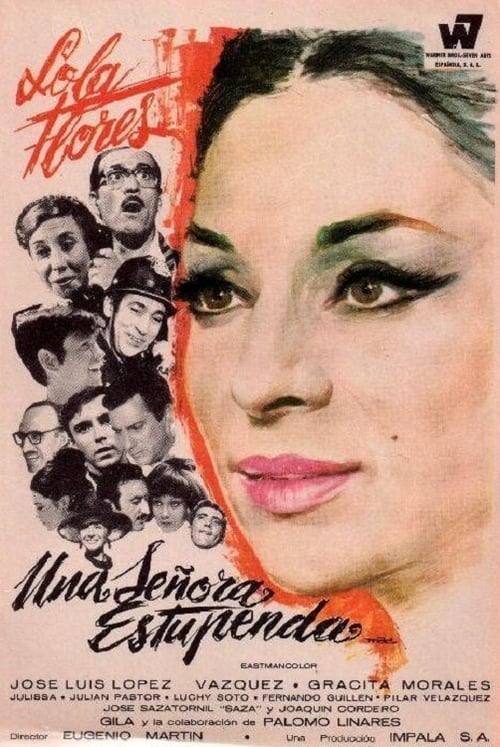
1970
No reviews yet. Be the first to share your thoughts on this movie!
Use the rating form above to leave a star rating and optional review.