
Jenaro, el de los 14
1974
No user ratings available yet
Diversity score: 2.3 out of 10

1975
Director
Mariano Ozores Puchol
Runtime
99 minutes
Average Rating
No ratings yetSynopsis
Alberto comes to the capital to take care of her nine nephews. Intrigued by the question of sex, children will ask questions to Uncle Albert ... it uses the help of a neighbor.
Overall Score
Limited
Category Breakdown
LGBTQ+ Representation
The film lacks LGBTQ+ characters or narratives. It appears to follow a traditional comedic structure that reinforces the heteronormative standards of 1970s Spanish cinema.
Gender Representation
The story centers on a male authority figure, Alberto, managing his nephews. While a female neighbor is mentioned, the film does not subvert traditional gender hierarchies.
Racial & Ethnic Diversity
The production likely depicts a culturally homogeneous environment. There is no indication of non-white majority casts or diverse ethnic representation within the narrative.
Religious & Cultural Diversity
The plot focuses on traditional kinship and domestic complexities. It aligns with the preservation of standard social institutions rather than exploring secularist or anti-Western themes.
Disability Representation
There is no information available regarding the inclusion of characters with physical or neurodivergent disabilities.
Strengths
Areas for Improvement
AI Analysis
This 1975 comedy operates within the conventional social and cultural constraints of its era. The narrative prioritizes traditional family dynamics and localized norms over intersectional representation or the deconstruction of social hierarchies. The film's structure is centered on a male protagonist and a standard family unit, offering little disruption to the status quo. It functions as mainstream entertainment designed for the popular tastes of the time.
1974
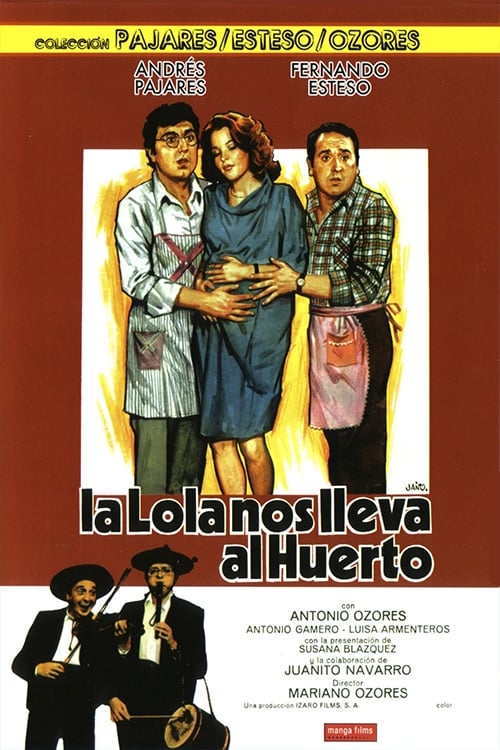
1984
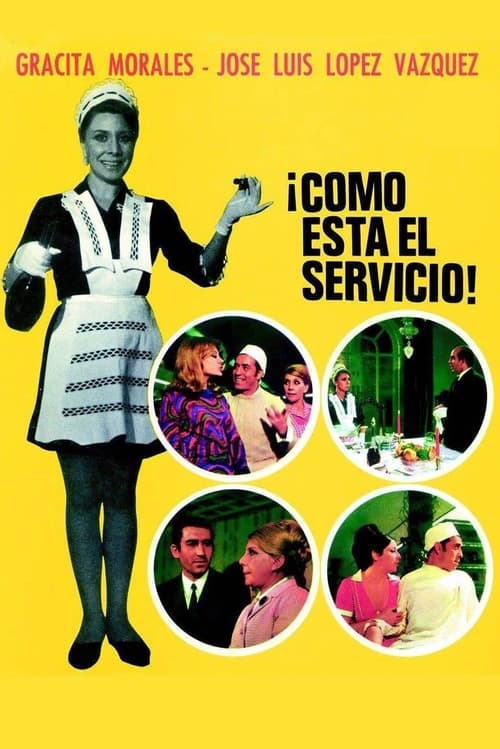
1968
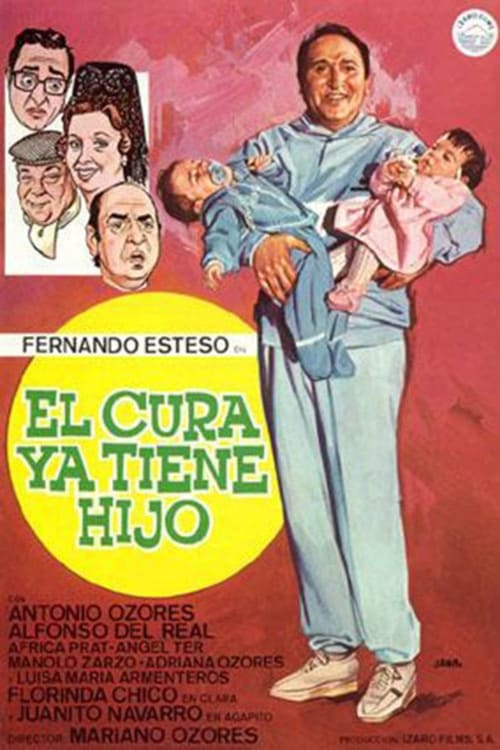
1984
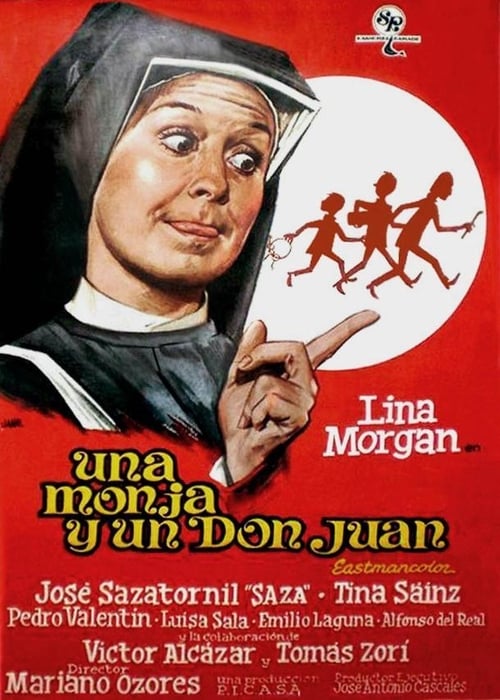
1973
1983
1973

1985
1979

1970
1982
1985
No reviews yet. Be the first to share your thoughts on this movie!
Use the rating form above to leave a star rating and optional review.