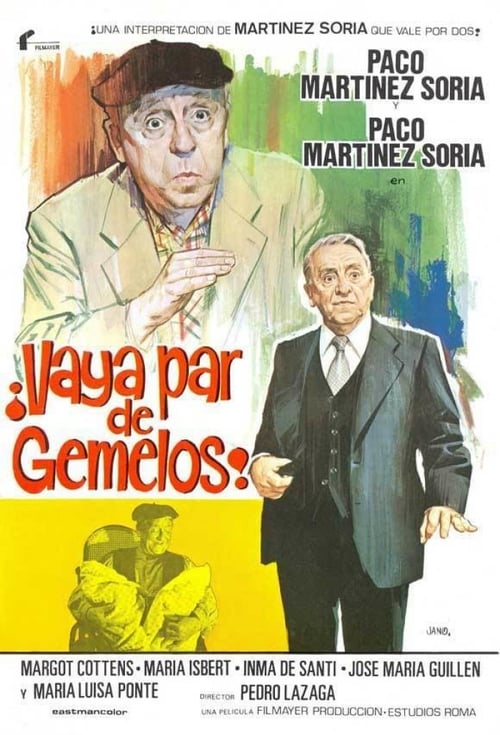
¡Vaya par de gemelos!
1978
No user ratings available yet
Diversity score: 2.8 out of 10
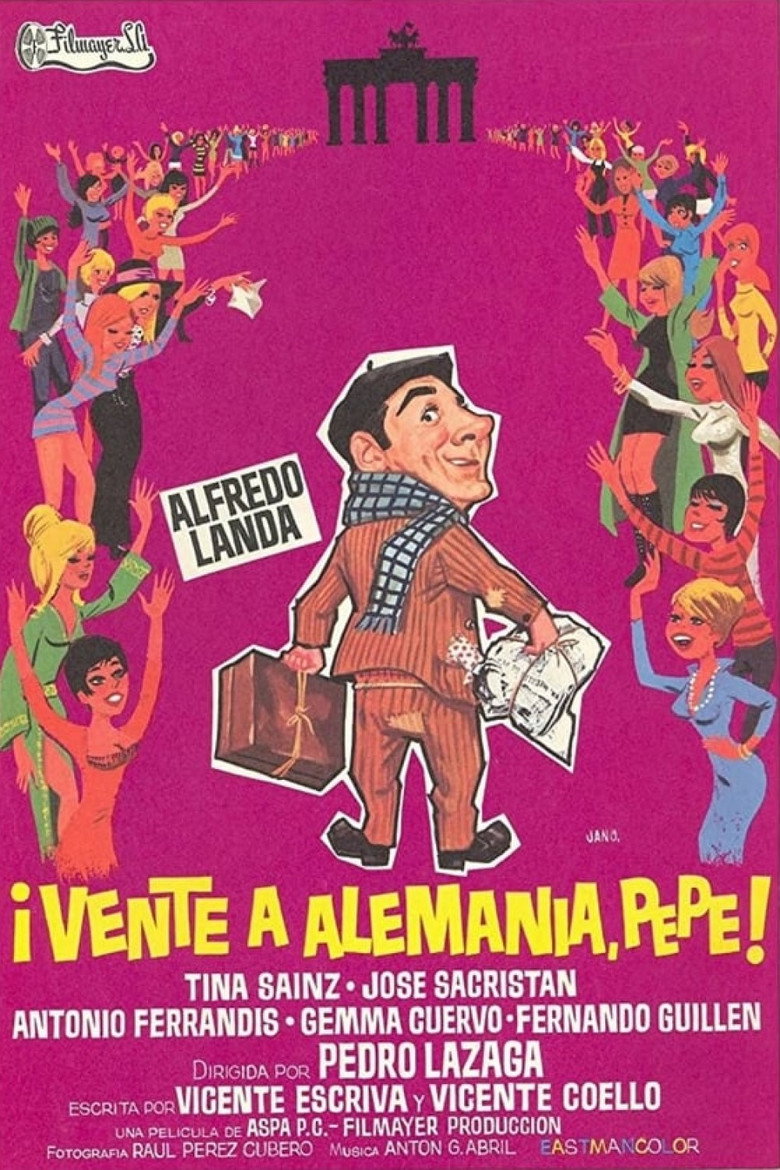
1971
Director
Pedro Lazaga Sabater
Runtime
95 minutes
Average Rating
No ratings yetSynopsis
Peralejos, a quiet village in Upper Aragon, is a place where nothing ever happens. One day Angelino returns home to spend the holidays, an immigrant who drives a Mercedes and tells great wonders of Germany and their women. Pepe, fascinated by the stories of his friend, decides to immigrate, but his dream begins at five o'clock, cleaning windows, and ends at twelve o'clock pasting posters.
Overall Score
Limited
Category Breakdown
LGBTQ+ Representation
The film adheres to the traditional social structures of 1971 Spain. There is no evidence of non-heteronormative identities or narratives that critique heteronormativity.
Gender Representation
The story focuses heavily on the male experience of labor and migration. Women appear primarily as tropes of desire rather than nuanced characters with agency.
Racial & Ethnic Diversity
The narrative centers on a largely homogeneous demographic. It explores the cultural gap between rural Aragon and industrialized Germany rather than multi-ethnic diversity.
Religious & Cultural Diversity
The film critiques the economic limitations of the Spanish domestic sphere. It depicts the struggle of an individual within existing capitalist structures and traditionalist settings.
Disability Representation
There is no documented evidence regarding the inclusion of characters with physical or neurodivergent disabilities in this production.
Strengths
Areas for Improvement
AI Analysis
This comedy serves as a period-specific window into the mid-century Spanish migratory experience. It prioritizes the socio-economic realities of the working class over the subversion of identity politics. The film's value lies in its depiction of the friction between the idealized 'German Dream' and the grueling reality of manual labor. However, it remains rooted in the demographic homogeneity of its era. Ultimately, the narrative reflects the traditional social hierarchies of 1971, offering a look at class movement rather than intersectional representation.
1978
1959
1977
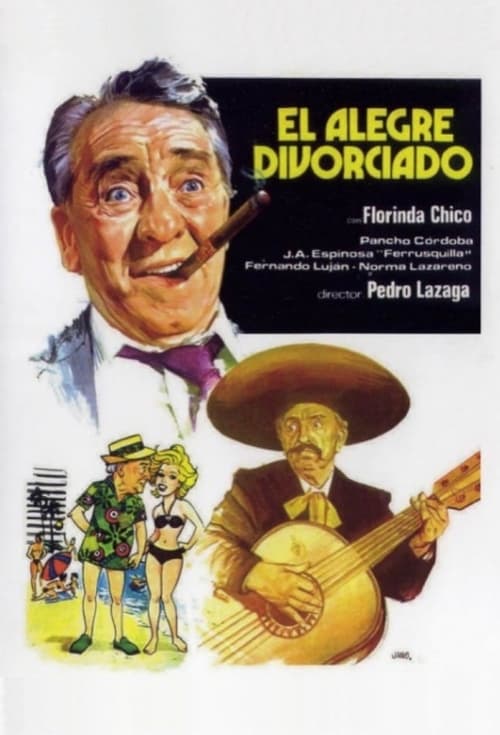
1976
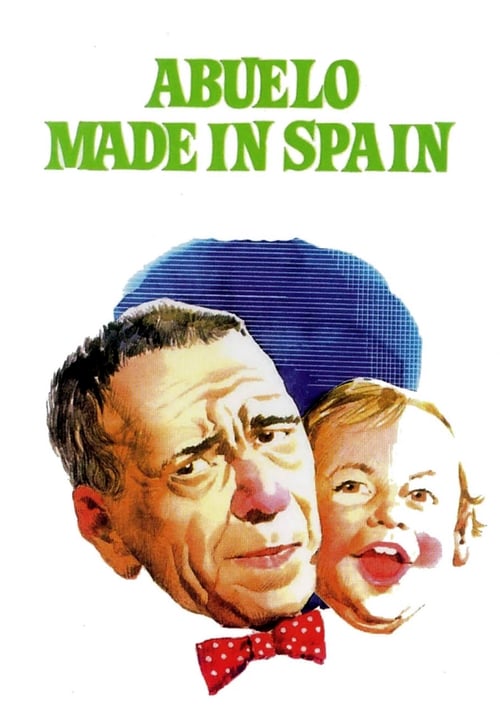
1969
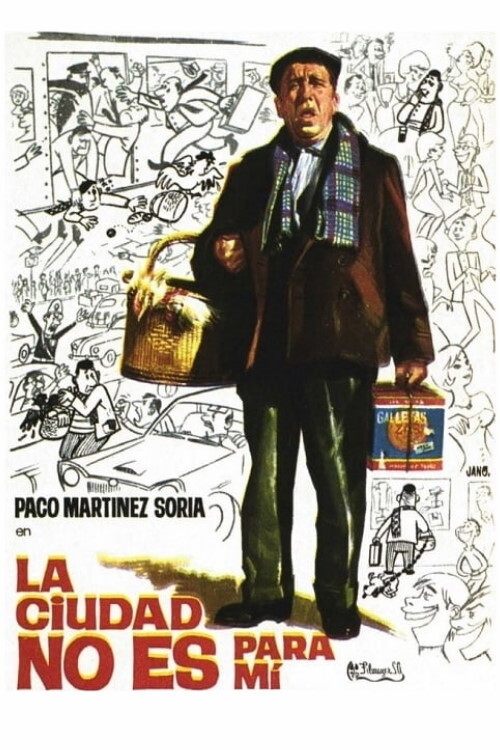
1966
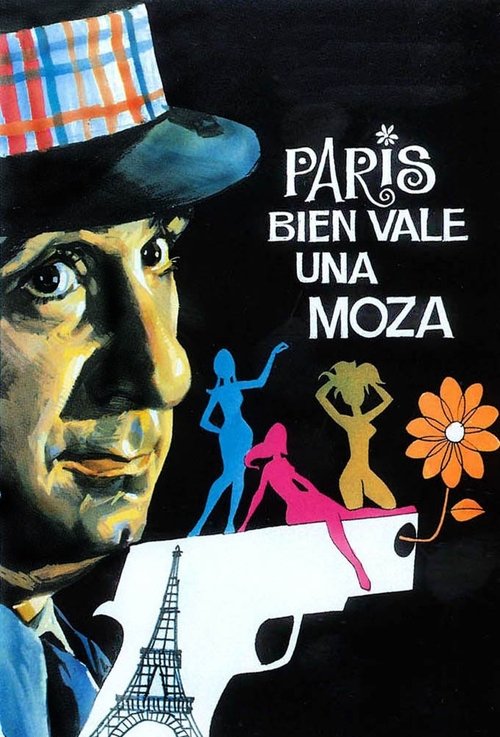
1972
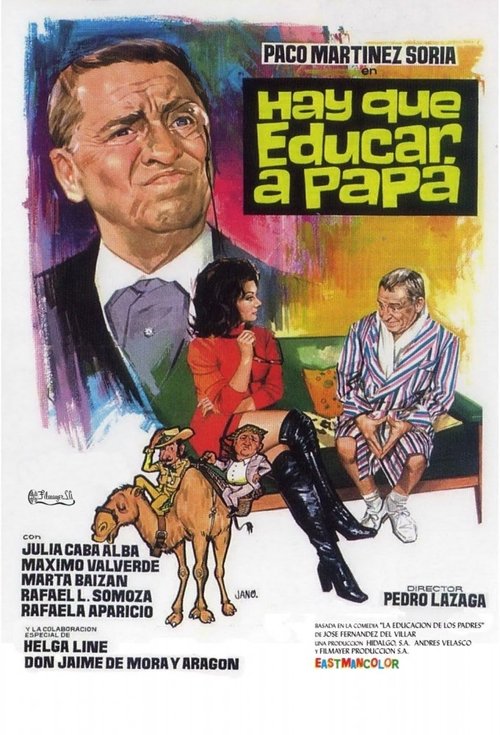
1971
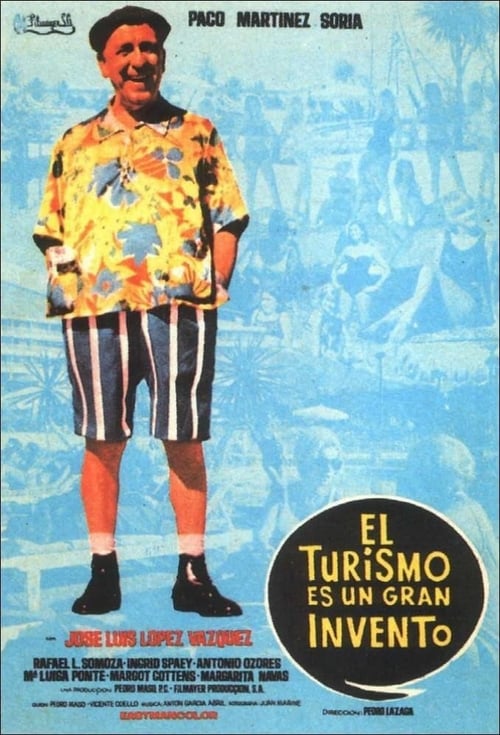
1968
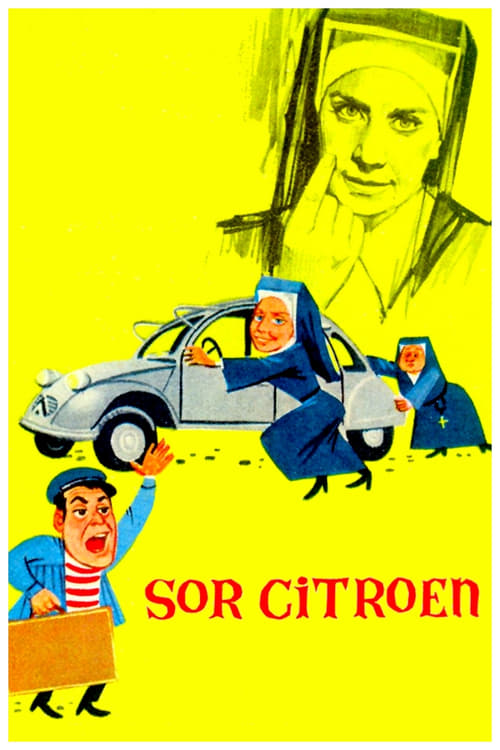
1967

1999
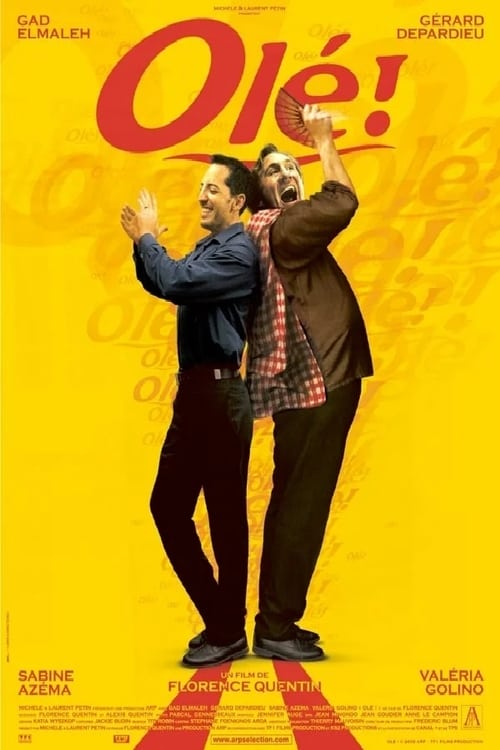
2005
No reviews yet. Be the first to share your thoughts on this movie!
Use the rating form above to leave a star rating and optional review.