El padrecito
1964
No user ratings available yet
Representation score: 2.4 out of 10
Representation Score
Minimal
1969
Director
José Luis Sáenz de Heredia
Runtime
97 minutes
Average Rating
No ratings yetNew Showbiz Analysis
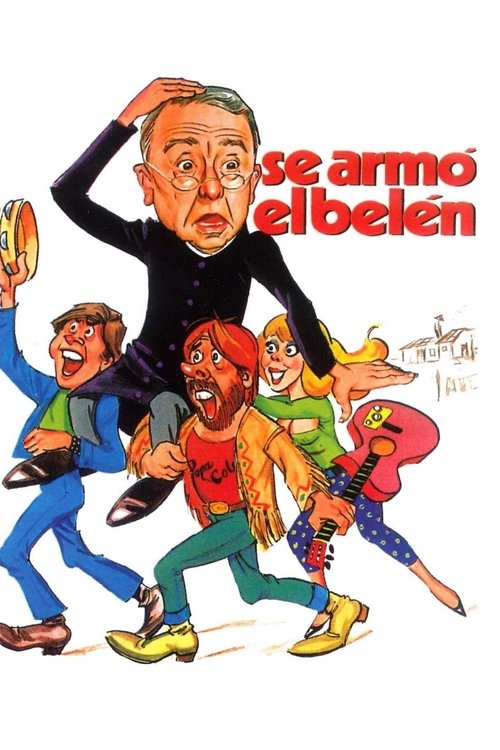
¡Se armó el belén! reflects the institutional and social constraints of 1969 Spain. The narrative prioritizes the internal dynamics of the Catholic Church, focusing on the friction between traditionalist and modernizing methods of ministry. Because the film centers on maintaining social and religious cohesion, it lacks meaningful representation of underrepresented identities. The conflict is ideological and generational rather than one that challenges systemic power dynamics or explores diverse human experiences.
Category Breakdown
The film does not include any LGBTQ+ characters or narratives. It focuses on religious and generational conflicts within a traditional framework, offering no representation of queer identities or non-conforming gender identities.
The story centers on a patriarchal religious hierarchy. The conflict is framed through ecclesiastical authority, with no indication of challenging traditional gender hierarchies or deconstructing leadership roles based on gender.
Set in a Madrid suburb, the film maintains a highly homogeneous demographic profile. The plot focuses on ideological conflict rather than exploring ethnic or racial diversity.
The story explores tensions between religious institutions and a revolutionary social climate. However, the narrative promotes institutional adaptation rather than critiquing religious structures.
There are no visible or invisible disabilities mentioned or implied as central to the character arcs or the plot progression.
Present on Screen
Limited or Absent
Official Synopsis
An old priest, who has old ideas, is intended to exercise the apostolate in a neighborhood in the suburbs of Madrid. There the revolutionary climate and anti-religious character of the congregation thwarts all his attempts to attract them. The Archbishop admonishes him and asks to renew his methods, using the example of a young priest of a modern parish. The old priest tries to apply in his environment what he has seen in the parish model, setting off a chain of events.
1964
1965
1971
1969
1966

1970

1971
1961
No reviews yet. Be the first to share your thoughts on this movie!
Use the rating form above to leave a star rating and optional review.