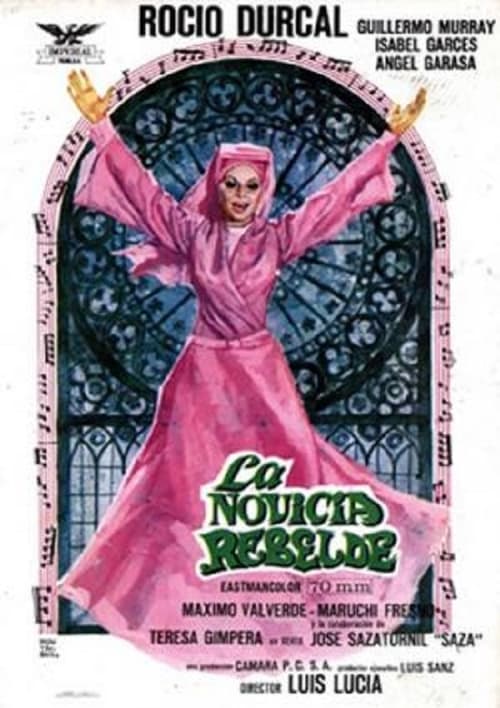
La novicia rebelde
1971
No user ratings available yet
Representation score: 2.4 out of 10

Representation Score
Minimal
1955
Director
Luis Lucia
Runtime
83 minutes
Average Rating
No ratings yetNew Showbiz Analysis
La hermana alegría is a conventional mid-century comedy that reinforces the social and religious hierarchies of its time. While the film offers a dedicated space for female characters within a reformatory, their motivations are tied to traditional romantic clichés and male lineage. The narrative supports established moral frameworks by portraying religious figures as helpful and benevolent, avoiding any critical examination of the institutions it depicts. Ultimately, the film lacks complexity in addressing multiple aspects of identity and operates within a rigid, traditional structure.
Category Breakdown
The film does not include any characters with non-cisgender identities or same-sex relationships. The romantic storyline focuses on a womanizing male lead.
Despite being set in a women's reformatory, the female characters' actions are driven by their desire to attract men. The plot revolves around a character seeking a child from a man.
The story is set in a specific Andalusian context. The demographic is homogeneous, reflecting the typical social composition of 1950s Spanish cinema.
Religious institutions are shown as benevolent caregivers. The narrative upholds traditional moral frameworks without challenging religious authority.
There is no information about the representation of physically or neurodivergent individuals in this film.
Present on Screen
Limited or Absent
Official Synopsis
Soledad enters a women reformatory led by modest nuns who look constantly for the welfare of their girls. These include the Sister Consolación, a humorous and cheerful nun who uses a little disconcerting methods to teach but very useful for the girls, to try to forget their past and prepare for a better future. Soledad takes confidence quickly and said she hopes a son of Fernando, a womanizing Andalusian young gentleman very attractive, which coincidentally, the Sister knows.
1971
1963
1976

1958

1979

1970
1973
1969
No reviews yet. Be the first to share your thoughts on this movie!
Use the rating form above to leave a star rating and optional review.