
The Battle of the River Plate
1956
No user ratings available yet
Diversity score: 0.9 out of 10

1937
ApprovedDirector
Gustaf Edgren
Runtime
93 minutes
Average Rating
No ratings yetSynopsis
In 1803 the Swedish inventor John Ericsson is born. After a military career he went to England and became one of the first builders of locomotives. Despite large debts, he invents the propeller. In 1839 he crosses the Atlantic and builds ships for the US Navy. When the US civil war breaks out, the Federation needs a ship to match the Confederate 'Merrimac' and preventing the Confederation from exporting cotton to Europe. Ericsson builds the 'Monitor', a ship the Federation needs to win the war.
Overall Score
Minimal
Category Breakdown
LGBTQ+ Representation
The film lacks LGBTQ+ characters or narratives. It follows a traditional biographical structure focused on a male protagonist's military and professional achievements.
Gender Representation
The narrative centers entirely on John Ericsson's technical and military life. While female characters may exist in social circles, the film reinforces traditional masculine leadership.
Racial & Ethnic Diversity
The story spans Sweden, England, and the US, but remains driven by a Swedish inventor. The cast likely reflects the racial homogeneity typical of 1930s European cinema.
Religious & Cultural Diversity
This biopic emphasizes individual merit and technological progress. It upholds traditional Western values regarding industry and patriotism rather than critiquing these institutions.
Disability Representation
There is no evidence of characters with visible or invisible disabilities. Neurodivergence or physical impairment are not utilized as narrative devices.
Strengths
Areas for Improvement
AI Analysis
The Great John Ericsson is a traditional historical biopic that adheres strictly to the cinematic norms of 1937. The narrative architecture is built around the singular professional and military triumphs of a male inventor, prioritizing a linear trajectory of individual success. Because the film focuses on industrial innovation and naval warfare, it lacks engagement with intersectional identities. The scope of the story—moving from Sweden to the American Civil War—does not translate into a diverse cast or a subversion of social hierarchies. Ultimately, the film functions as a celebration of national contribution and technological progress. It offers a conventional view of history that centers on Western industrial achievement without exploring broader social complexities.
1956
1960

1987
1937
2017
1968
2009
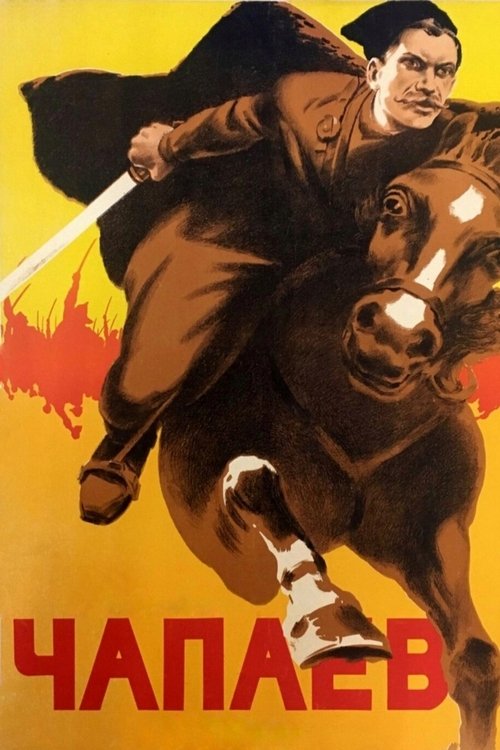
1934
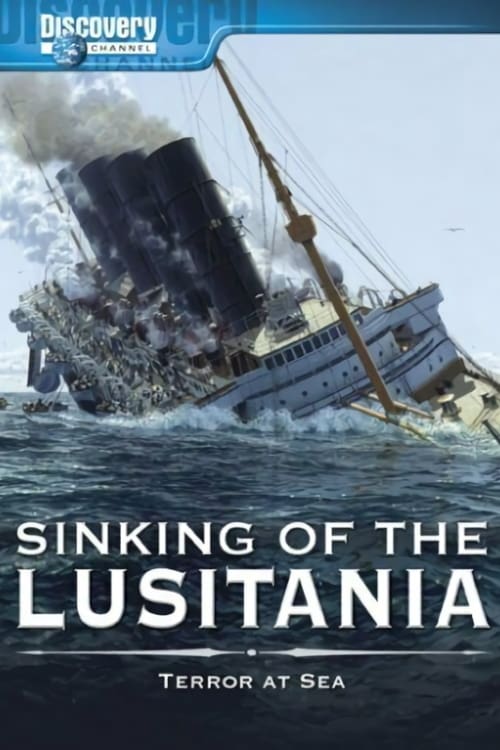
2007
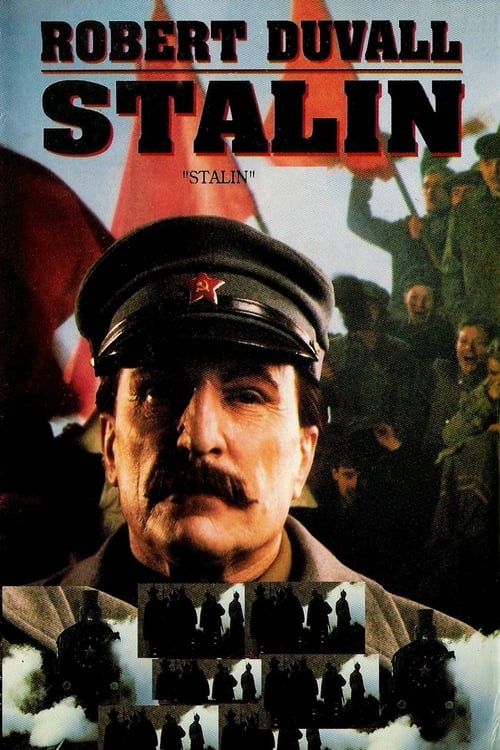
1992

1979
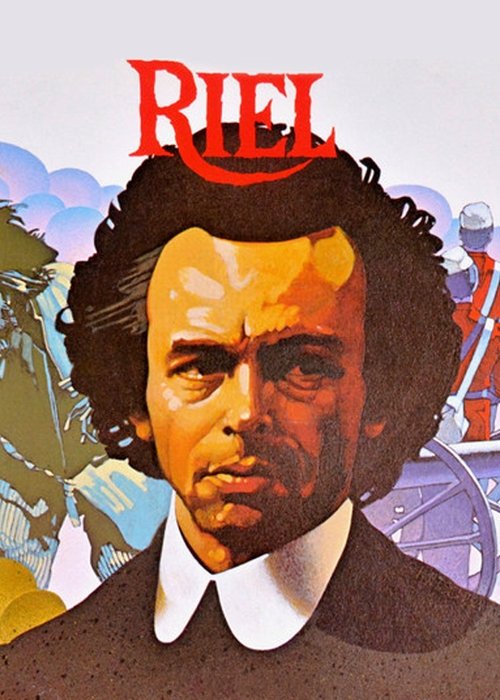
1979
No reviews yet. Be the first to share your thoughts on this movie!
Use the rating form above to leave a star rating and optional review.