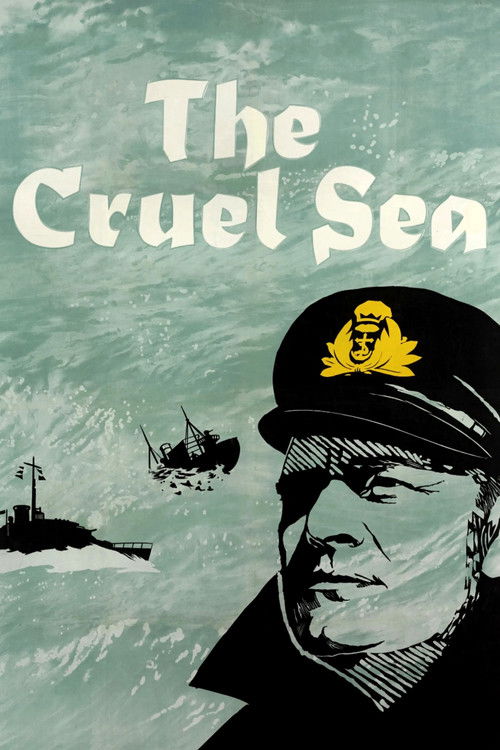
The Cruel Sea
1953
No user ratings available yet
Representation score: 3.0 out of 10

Representation Score
Minimal
1956
NRDirector
Michael Powell, Emeric Pressburger
Runtime
119 minutes
Average Rating
No ratings yetNew Showbiz Analysis
This historical drama prioritizes tactical realism and the preservation of traditional military hierarchies. The narrative structure upholds the values of the 1950s, emphasizing institutional stability and established social norms. As a product of its time, the film does not engage with multi-layered identity politics or the deconstruction of Western institutions. Instead, it offers a formalist exploration of wartime duty and technical mastery.
Category Breakdown
The film focuses on a masculine naval environment and does not depict any LGBTQ+ identities or same-sex relationships.
The narrative centers almost entirely on male officers and sailors, with women being largely absent, reflecting the historical makeup of mid-century combat vessels.
The cast is primarily white, mirroring the historical composition of British and German naval forces. It lacks a diverse range of ethnicities.
The drama emphasizes Western values such as duty and patriotism, presenting a traditional conflict between Allied and Axis powers without moral ambiguity.
Characters are defined by their functional roles within a military hierarchy, and there are no depictions of neurodivergence or physical disabilities.
Present on Screen
Limited or Absent
Official Synopsis
In the early years of the World War II, the Royal Navy is fighting a desperate battle to keep the Atlantic convoy routes open to supply the British Isles, facing the great danger posed by the many German warships, such as the Admiral Graf Spee, which are scouring the ocean for cargo ships to sink.
1953
1960
1981
1938
1967

1942
2008

1951
No reviews yet. Be the first to share your thoughts on this movie!
Use the rating form above to leave a star rating and optional review.