Find another title
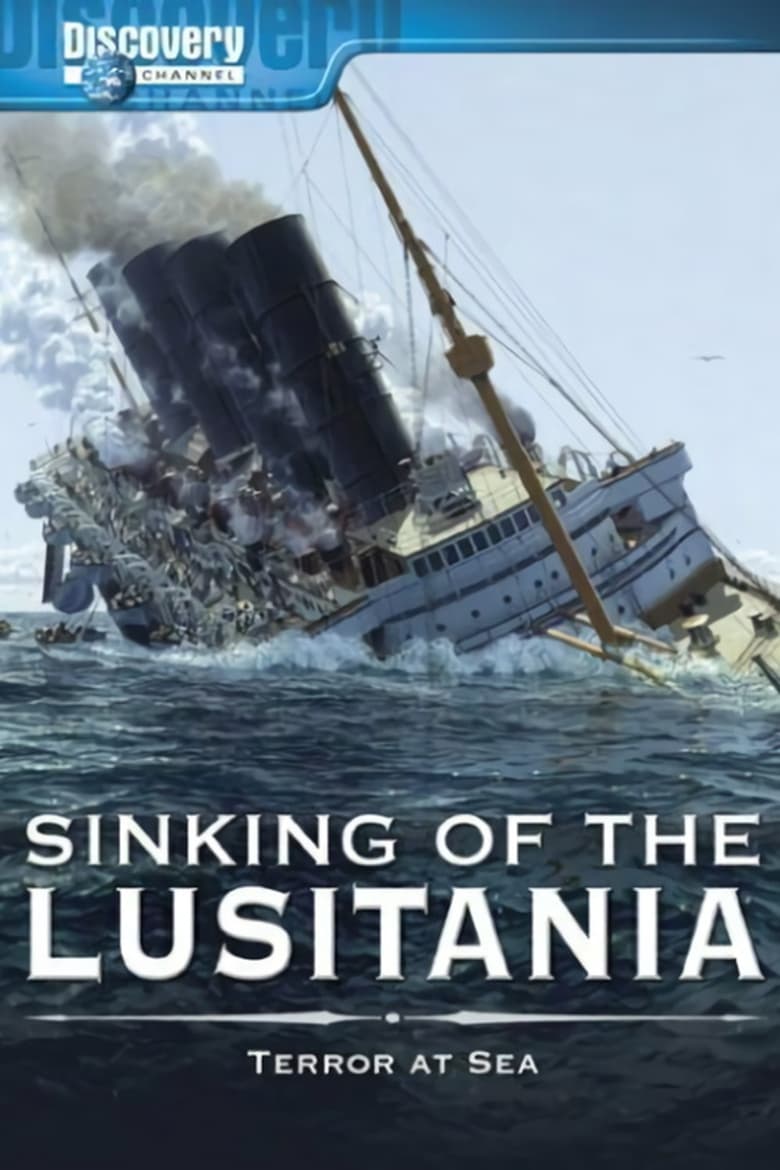
Sinking of the Lusitania
2007
NRDirector
Christopher Spencer
Runtime
90 minutes
Average Rating
No ratings yetSynopsis
The story of the sinking of the Lusitania in 1915 after she was torpedoed off the Irish coast. The story is told from the perspective of Prof. Holbourn (a passenger), the German U-boat and its captain and crew, and other passengers, crew and Admiralty staff
Where to Watch
Diversity & Representation
Overall Score
Limited
Category Breakdown
LGBTQ+ Representation
The film adheres strictly to the historical constraints of 1915. There is no depiction of non-cisnormative gender identities or same-sex intimacy.
Gender Representation
Character agency is concentrated in male-dominated spheres like naval command and Admiralty staff. Women appear as passengers, often aligning with period-accurate roles of domesticity and passivity.
Racial & Ethnic Diversity
Casting reflects the standard demographic compositions of transatlantic travel during the WWI era. The narrative lacks non-white protagonists to drive the central story.
Religious & Cultural Diversity
The story focuses on a specific maritime disaster within traditional Western historical frameworks. It observes socioeconomic class distinctions without offering a critique of Western institutions.
Disability Representation
The narrative prioritizes able-bodied movement and survival instincts. There is no evidence of characters with visible or invisible disabilities being granted agency.
Strengths
- Maintains high levels of historical and archival accuracy.
- Provides a faithful reconstruction of early 20th-century social hierarchies.
Areas for Improvement
- Lacks representation of diverse gender identities and queer perspectives.
- Provides minimal agency to female characters and individuals with disabilities.
- Does not challenge the era's racial or socioeconomic homogeneity.
AI Analysis
This docudrama prioritizes historical reenactment and chronological accuracy over social subversion. It functions as a traditional chronicle of the 1915 disaster, maintaining the social hierarchies of the early 20th century. The film's perspective is centered on naval command, the German U-boat crew, and specific passengers. This focus naturally limits the scope of representation, favoring period-accurate demographics and traditional power structures. Ultimately, the work serves as a standard historical reconstruction. It does not attempt to deconstruct Western institutions or introduce intersectional identities, remaining firmly within the cultural context of the era.
Rate this Movie
Reviews
No reviews yet. Be the first to share your thoughts on this movie!
Use the rating form above to leave a star rating and optional review.