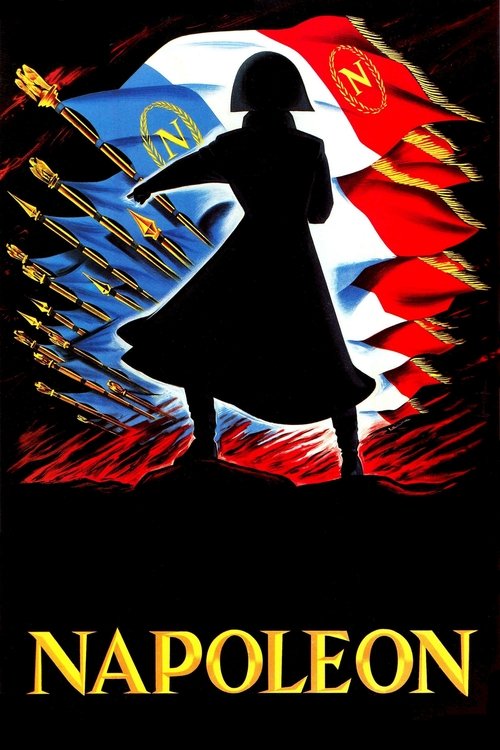
Napoleon
1955
No user ratings available yet
Representation score: 1.0 out of 10
Representation Score
Minimal
1960
Director
Abel Gance
Runtime
166 minutes
Average Rating
No ratings yetNew Showbiz Analysis
Abel Gance’s epic centers on the 'Great Man' theory of history, focusing on Napoleon Bonaparte’s rise to power. The film adheres to the strict social and political hierarchies of the Napoleonic era, emphasizing large-scale military movements over individual identity politics. Given its setting in 19th-century imperial expansion, the production reflects the era’s traditional structures. The narrative revolves around European military conflicts, offering little space for diverse cultural perspectives or the subversion of established social norms.
Category Breakdown
The film does not include any LGBTQ+ characters or stories. It follows the traditional social structures of the early 19th century.
The story focuses on Napoleon’s military and political leadership. Female figures appear in domestic and courtly settings but are confined to traditional roles.
The plot centers on European power struggles among French, English, Austrian, and Russian forces. There is no significant representation of non-Western cultures.
The film examines the establishment of imperial authority and consolidates military power. It emphasizes historical military conflicts over secular or anti-capitalist themes.
The film does not feature any characters with visible or invisible disabilities. It also lacks any representation of neurodivergent individuals.
Present on Screen
Limited or Absent
Official Synopsis
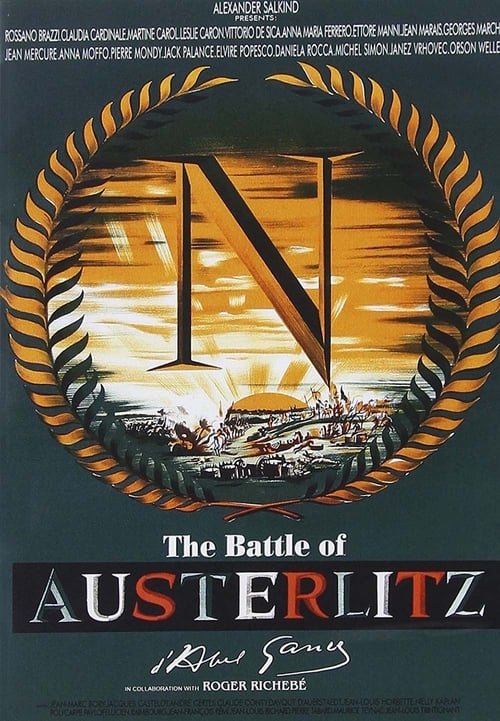
A return to the life of the Little Corporal with a dramatisation of the decisive 1805 conflict between French forces and the armies of Austria and Russia. An epic reconstruction of the battle of Austerlitz, where Bonaparte had the greatest victory of his career.
1955
1927
1985
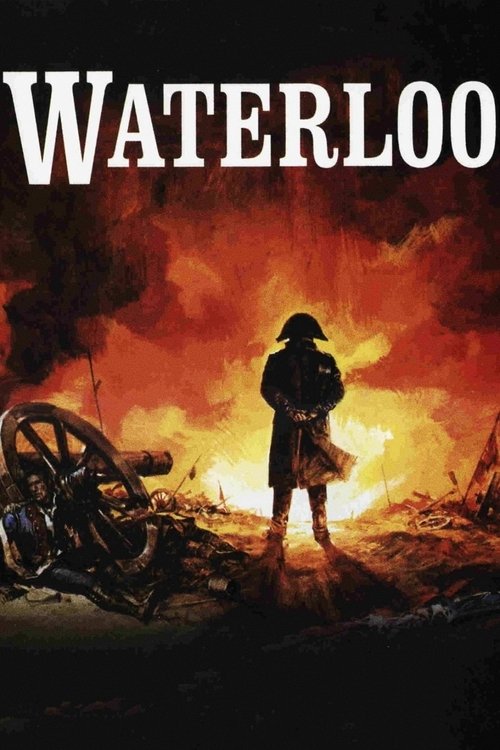
1970
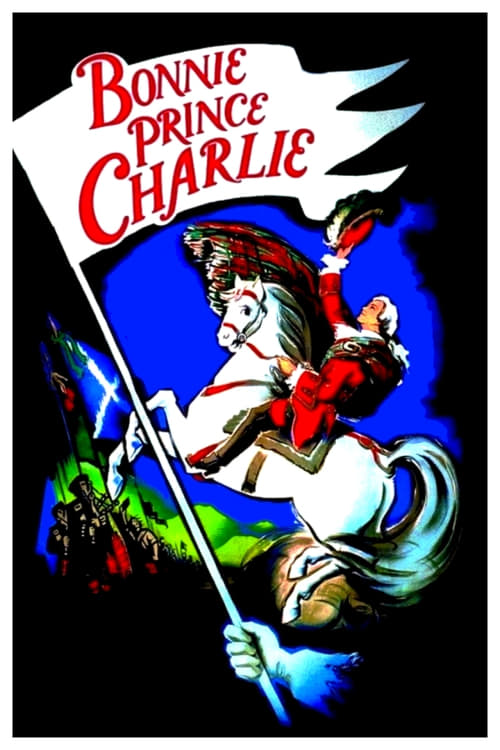
1948
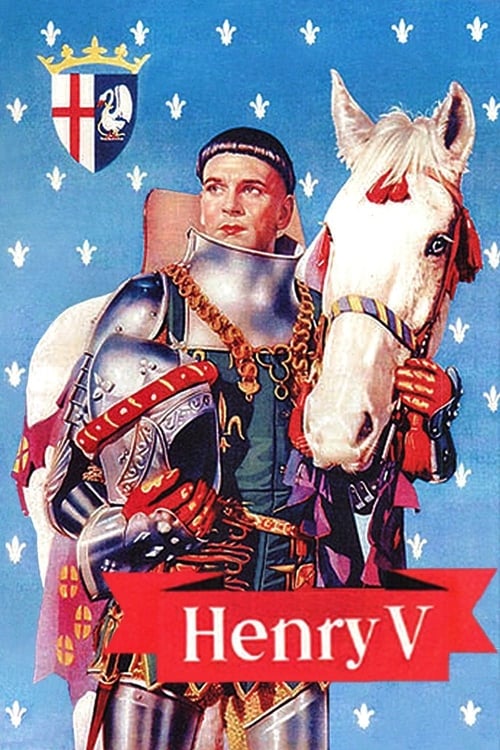
1944
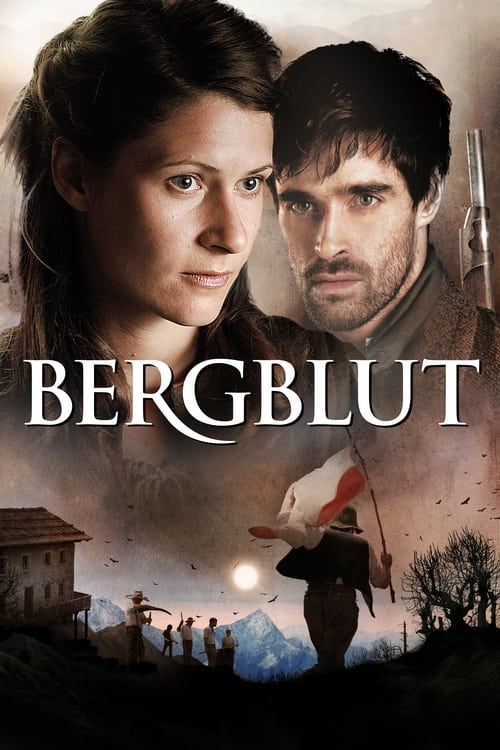
2010
1938
No reviews yet. Be the first to share your thoughts on this movie!
Use the rating form above to leave a star rating and optional review.