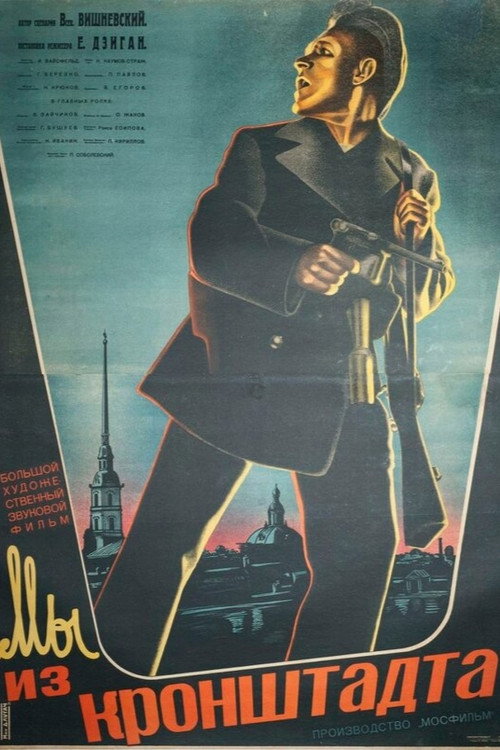
We Are from Kronstadt
1936
No user ratings available yet
Representation score: 3.3 out of 10
Representation Score
Limited
1934
Director
Sergey Vasilev, Georgi Vasilyev
Runtime
93 minutes
Average Rating
No ratings yetNew Showbiz Analysis
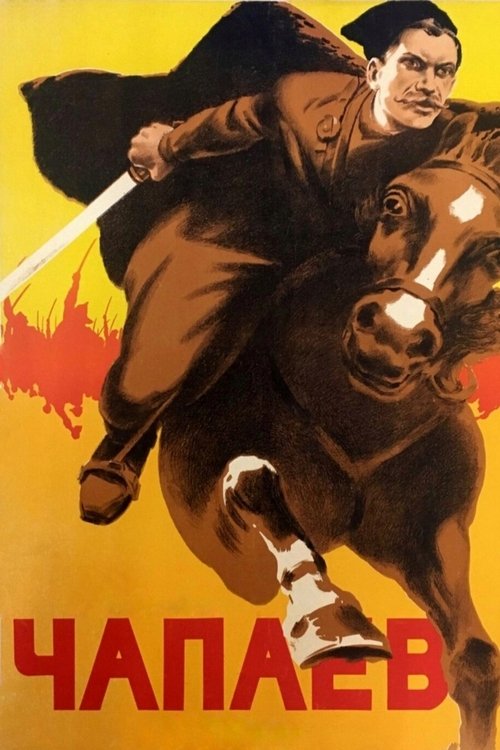
Chapayev is a foundational work of Socialist Realism that prioritizes class struggle over individual or modern inclusivity measures. While it fails to represent LGBTQ+ identities or diverse gender roles, it excels in its aggressive deconstruction of traditional social hierarchies. The film replaces aristocratic and religious authority with a framework of collective action. It serves as a powerful tool for dismantling established power structures, even though its depiction of the revolutionary actors remains ethnically narrow.
Category Breakdown
The film follows strict 1930s Soviet social norms and does not depict non-straight or non-cisgender identities. It focuses on heterosexual relationships.
The story centers around masculine military leadership. Female characters like Anka mainly serve as romantic interests or support systems, rather than as key figures in historical change.
The cast is predominantly made up of ethnic Russians, emphasizing class-based identity over a broader range of ethnic backgrounds.
The film provides a strong critique of Tsarist, capitalist, and religious institutions. It portrays the dismantling of these oppressive structures as a necessary moral progression.
There is no significant depiction of physical or neurological disabilities in the narrative.
Present on Screen
Limited or Absent
Official Synopsis
An account of the peasant turned mythical military hero Vasily Chapayev, charting his campaign in the Red Army during the Russian Civil War.
1936
1938
1928
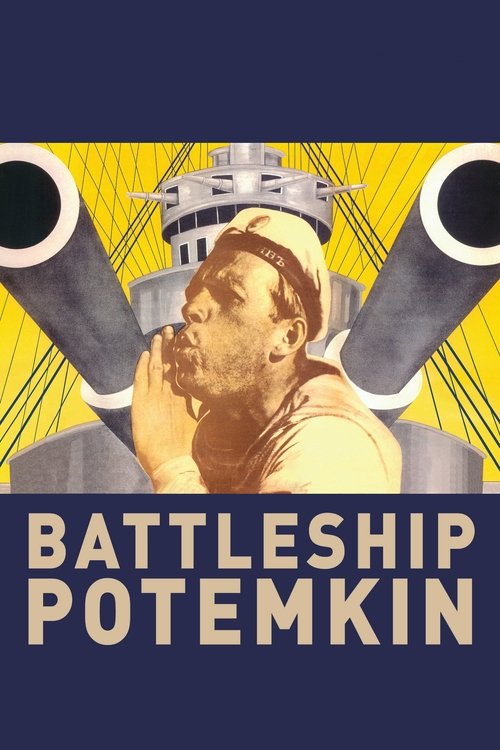
1925
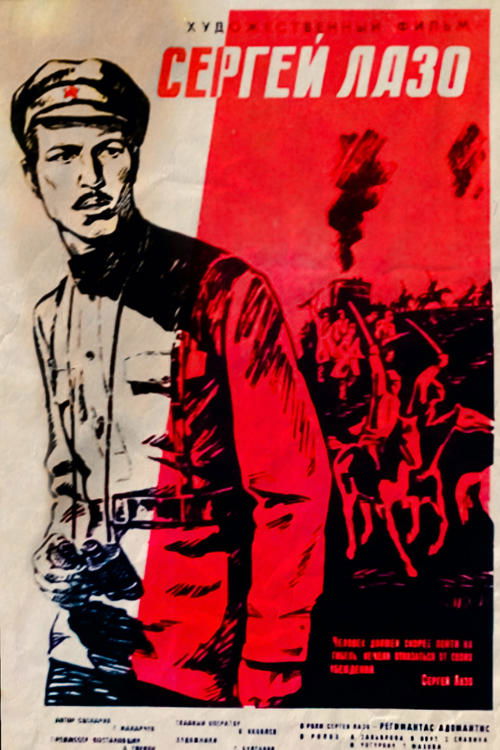
1968
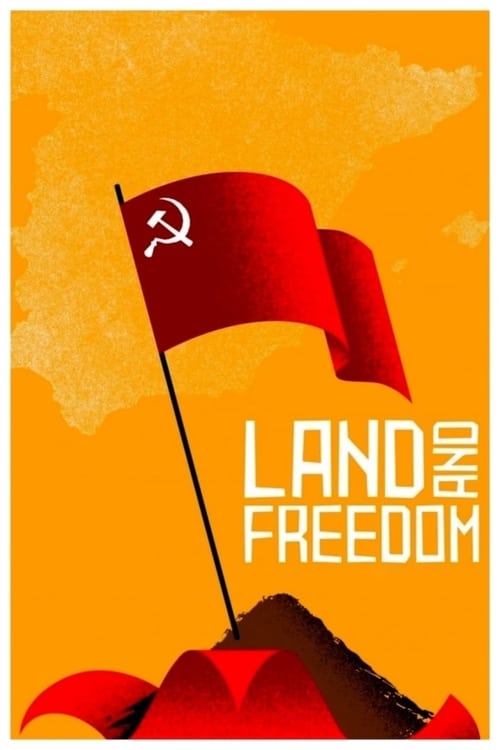
1995
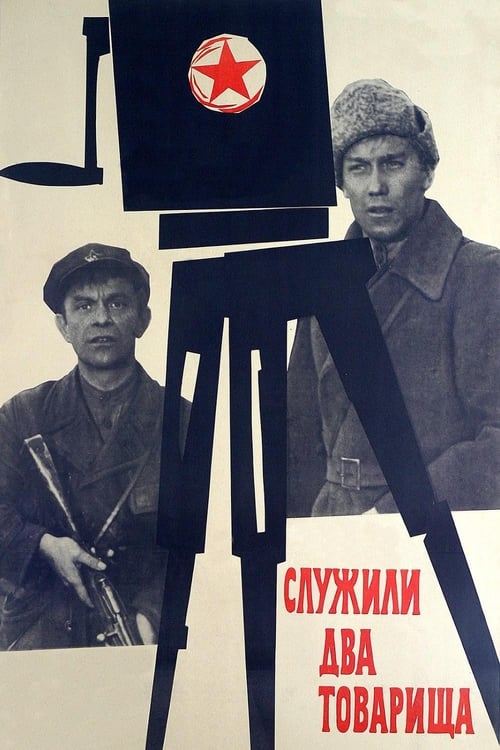
1968
1911
No reviews yet. Be the first to share your thoughts on this movie!
Use the rating form above to leave a star rating and optional review.