Testimony
1988
No user ratings available yet
Representation score: 3.9 out of 10
Representation Score
Limited
1992
TV-MADirector
Ivan Passer
Runtime
172 minutes
Average Rating
No ratings yetNew Showbiz Analysis
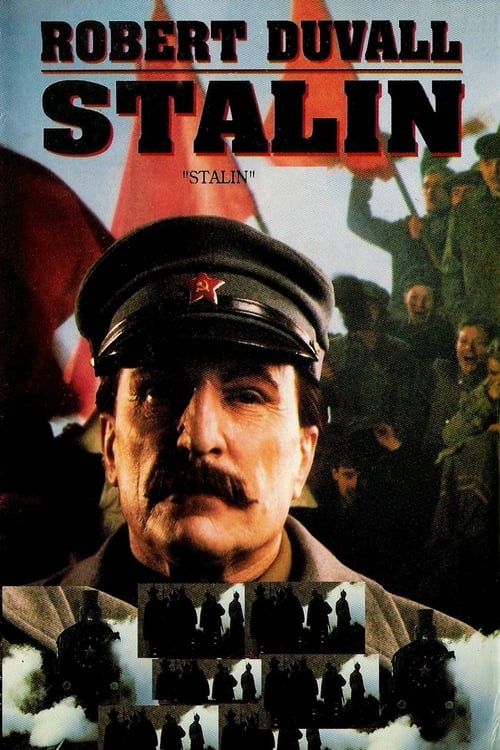
Stalin (1992) stands out by avoiding the traditional 'Great Man' approach to history. Instead, it uses a retrospective framework to explore the psychological impact of totalitarianism. The film's strength lies in its choice to focus on the domestic perspective of a female witness. This shifts the focus from political maneuvering to the erosion of personal freedom and systemic trauma. However, the work remains limited by its historical setting. It lacks representation of diverse racial and ethnic backgrounds and LGBTQ+ identities, staying true to the specific social realities of the Soviet era.
Category Breakdown
The film doesn't include any LGBTQ+ characters or stories. It seems to follow the strict social norms of the Soviet era it depicts.
The story breaks away from traditional patriarchal history by focusing on Anna Aliluyeva. By centering on her, the film gives a woman significant influence in shaping the historical record.
The focus on Stalin’s inner circle means there isn’t much diversity in the cast. The film sticks to the typical Slavic-centric Soviet leadership.
The film offers a deep look at centralized power and state institutions. It shows how the regime creates paranoia and systemic purges.
There is no mention of physical or neurodivergent disabilities in this production.
Present on Screen
Limited or Absent
Official Synopsis
The life and career of the brutal Soviet dictator, Josef Stalin. Through the eyes and memories of Anna Aliluyeva, Stalin’s granddaughter, the film traces the rise of the Bolshevik tyrant from Lenin’s return from exile to his brutal struggle with Trotsky, the creation of his feared secret police and the merciless inner workings of his regime. As Anna recounts her grandfather’s life, viewers gain an intimate, personal perspective on the paranoia and purges that left even his closest circles living in constant fear.
1988

1951

2009

2009
1946

2011

1981
1968
No reviews yet. Be the first to share your thoughts on this movie!
Use the rating form above to leave a star rating and optional review.