
Shogun's Joy of Torture
1968
No user ratings available yet
Representation score: 5.2 out of 10
Representation Score
Good
1981
Director
Yoshihiko Matsui
Runtime
91 minutes
Average Rating
No ratings yetNew Showbiz Analysis
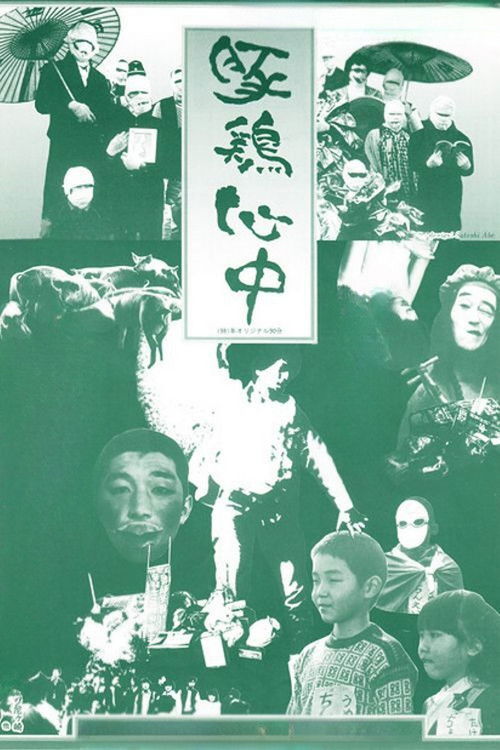
Pig-Chicken Suicide is a visceral, surrealist critique of post-war urban Japan. It excels by centering the Zainichi Korean experience, using the protagonists' underrepresented status to drive a high-stakes narrative against systemic discrimination. The film's strength lies in its rejection of traditional morality and social stability, presenting a raw look at social decay. However, the film lacks explicit visibility for LGBTQ+ identities and provides little clarity regarding the role of female characters or the representation of disabilities.
Category Breakdown
The film focuses on a romantic relationship between two Korean individuals but does not explicitly address LGBTQ+ identities.
Matsui disrupts traditional gender roles by depicting masculinity through desperation and social impotence. However, the film does not provide clear information about the role of female characters.
The film excels by centering the Zainichi Korean experience, providing a deep look at systemic discrimination and racial strife without resorting to including someone from a minority group without giving them real depth.
The story offers a significant critique of modern urban life and superficial social structures, rejecting mainstream cohesion in favor of a nihilistic, anti-modernist perspective.
There is insufficient evidence to evaluate the portrayal of physical or neurodivergent disabilities in this work.
Present on Screen
Limited or Absent
Official Synopsis
Pig Chicken Suicide is a veritable assault on the senses, mixing violent images of animal slaughter, racial strife and surrealism to tell the story of two Koreans living in Japan who's love is destroyed due to overwhelming racial discrimination.
1968

1960
1988

2005

1967

1982
2020

1972
No reviews yet. Be the first to share your thoughts on this movie!
Use the rating form above to leave a star rating and optional review.