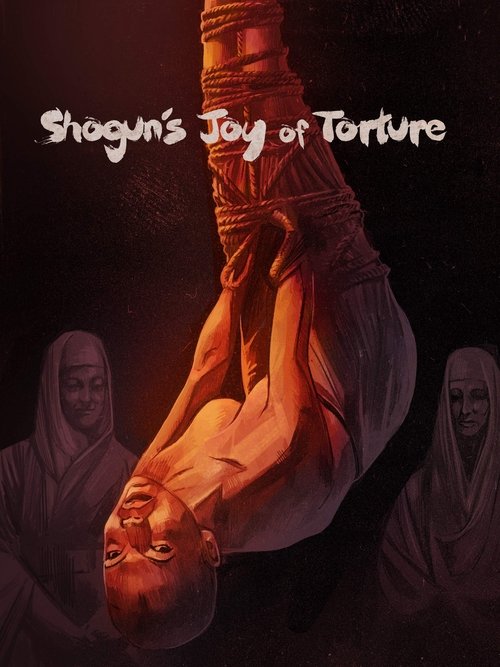
Shogun's Joy of Torture
1968
No user ratings available yet
Representation score: 5.2 out of 10

Representation Score
Minimal
1960
Not RatedDirector
Nobuo Nakagawa
Runtime
99 minutes
Average Rating
No ratings yetNew Showbiz Analysis
Jigoku is a highly stylized, traditionalist work that prioritizes spiritual orthodoxy and historical accuracy. Its vignette-based structure explores Buddhist cosmology through a lens of rigid social and spiritual hierarchies. The film reinforces established cultural norms and the inevitability of karma rather than challenging them. It functions as a meditation on sin and divine retribution within a specific historical context. While a masterpiece of cinematic expressionism, the film does not engage with modern multi-layered frameworks or progressive social narratives.
Category Breakdown
The film does not include any identifiable LGBTQ+ characters or narratives. Interpersonal conflicts center around traditional romantic and marital betrayals.
Female characters play key roles in driving the plot, but their actions are framed through adultery and moral transgressions. The film follows traditional structures and clichés of domestic betrayal.
The cast is culturally homogeneous, reflecting the historical reality of feudal Japan. It functions as a culturally specific study rather than a diverse narrative.
The narrative is deeply rooted in traditional Buddhist doctrine and cosmic justice. It reinforces the authority of religious structures and the inevitability of divine retribution.
There is no meaningful representation of disability. Physical suffering is used as a stylized element of horror and cosmic punishment rather than character-driven depiction.
Present on Screen
Limited or Absent
Official Synopsis
A group of sinners involved in interconnected tales of murder, revenge, deceit and adultery all meet at the Gates of Hell.
1968
1965

1967

1978

2000
1959

1976

1971
No reviews yet. Be the first to share your thoughts on this movie!
Use the rating form above to leave a star rating and optional review.