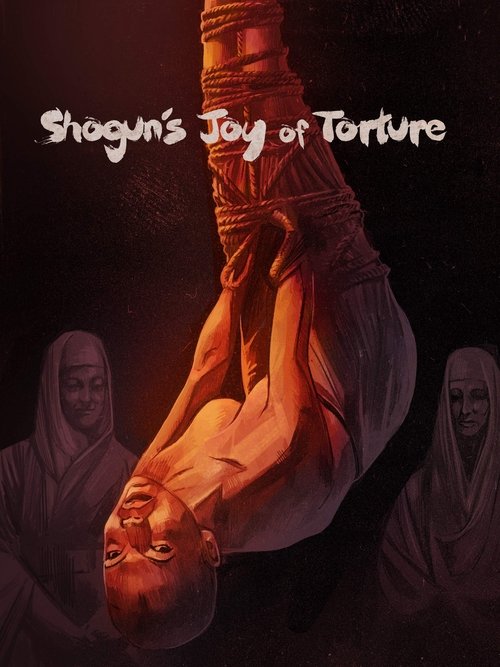
Shogun's Joy of Torture
1968
No user ratings available yet
Representation score: 5.2 out of 10
Representation Score
Fair
1976
Director
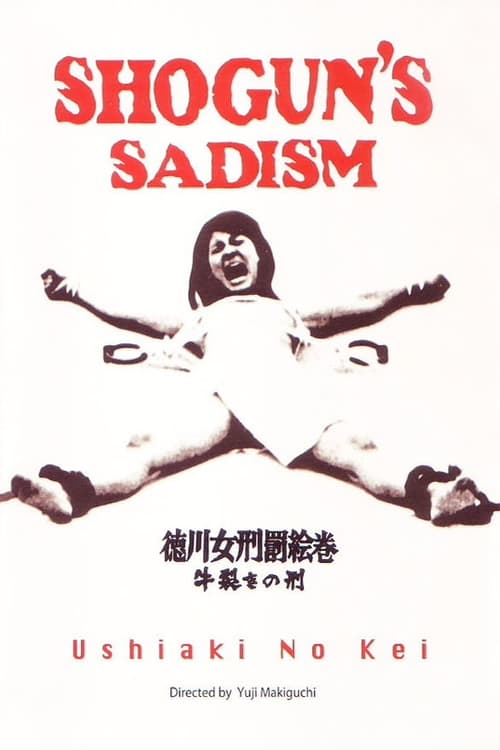
Yuji Makiguchi
Runtime
80 minutes
Average Rating
No ratings yetNew Showbiz Analysis
Oxen Split Torturing serves as a transgressive period drama that uses historical trauma to dismantle idealized images of traditional authority. By focusing on the 'ero-guro' tradition, the film critiques institutional cruelty and the failure of social hierarchies. While the work lacks modern multi-layered visibility, such as LGBTQ+ or neurodivergent representation, it finds strength in its portrayal of underrepresented outsiders. The narrative uses the persecution of religious minorities to explore the tension between state orthodoxy and individual belief. Ultimately, the film presents a world where survival requires anti-social behavior, framing scams and theft as necessary responses to an oppressive economic and social system.
Category Breakdown
The film does not explicitly depict LGBTQ+ identities or non-straight relationships. The romantic focus is on heterosexual connections and survival-based bonds.
Women are often shown as victims of dominant male figures and patriarchal cruelty. Although the narrative critiques these structures, female characters frequently have limited control over their situations.
The story explores the persecution of the Christian minority during the Edo period. This focus highlights systemic oppression and the conflict of identity-based exclusion.
The film deconstructs traditional morality by portraying Shogunate-era authorities as predatory. It uses religious persecution to critique the dominance of state-sanctioned belief systems.
There is no information about the portrayal of physical or neurodivergent disabilities in the narrative.
Present on Screen
Limited or Absent
Official Synopsis
Two short stories set in Edo during the Shogun era. The first, during a time when Christians are persecuted vehemently, Iori falls in love with a young Christian girl. When she and her family are captured during a raid, his sadistic master takes her as his personal slave to torment Iori. The second follows Sutezo who, forced to serve the barbarous master of a brothel in order to repay his debts, befriends a young girl. Together, they both escape and struggle to get by on scams and petty theft.
1968
1960

1971

1976

1967
1981
1994

1969
No reviews yet. Be the first to share your thoughts on this movie!
Use the rating form above to leave a star rating and optional review.