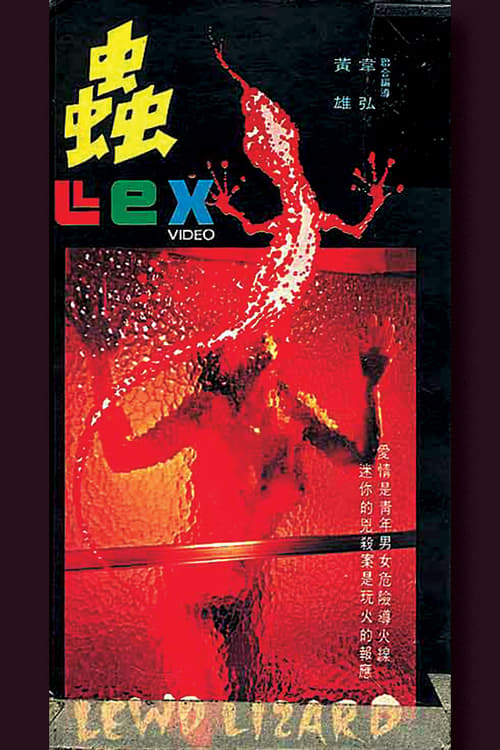
Lewd Lizard
1979
No user ratings available yet
Representation score: 2.5 out of 10
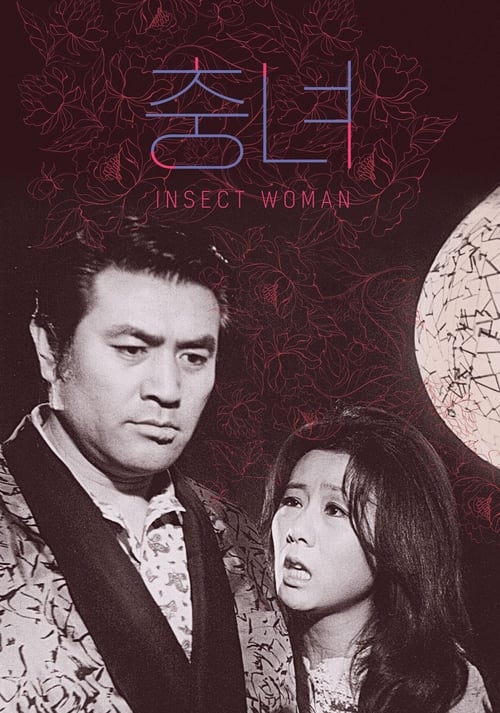
Representation Score
Good
1972
Director
Kim Ki-young
Runtime
110 minutes
Average Rating
No ratings yetNew Showbiz Analysis
Kim Ki-young’s film challenges mid-20th-century social stability by replacing traditional domestic virtues with moral relativism. Its strength lies in subverting gender hierarchies, particularly through the wife's transformation into a pragmatic manager. However, the film lacks depth in its portrayal of disability and queer identities. Ultimately, it succeeds as a critique of rigid social structures, using transactional relationships to question the sanctity of the household.
Category Breakdown
The film centers on traditional heterosexual relationships and does not include any queer romance or non-straight identities.
It challenges traditional female roles by showing a wife evolve from a shocked spouse into a pragmatic manager of the household.
The film is set in 1972 South Korea and does not feature multi-ethnic casting, focusing instead on the social hierarchies of its time.
The story questions the sanctity of the nuclear family through transactional sexual negotiations, emphasizing survival over rigid moral or religious ideals.
Impotence is used as a central plot device to explore shifting power dynamics rather than a detailed look at disability.
Present on Screen
Limited or Absent
Official Synopsis
A schoolgirl goes from braids to bouffant when her mother makes her a bar hostess/prostitute. She cures impotence for Professor Lee and becomes his concubine. His entrepreneurial wife is initially shocked but soon accepts the arrangement and even gives the girl an allowance.
1979
1960
1977
2004
1985
1970

2007
1977
No reviews yet. Be the first to share your thoughts on this movie!
Use the rating form above to leave a star rating and optional review.