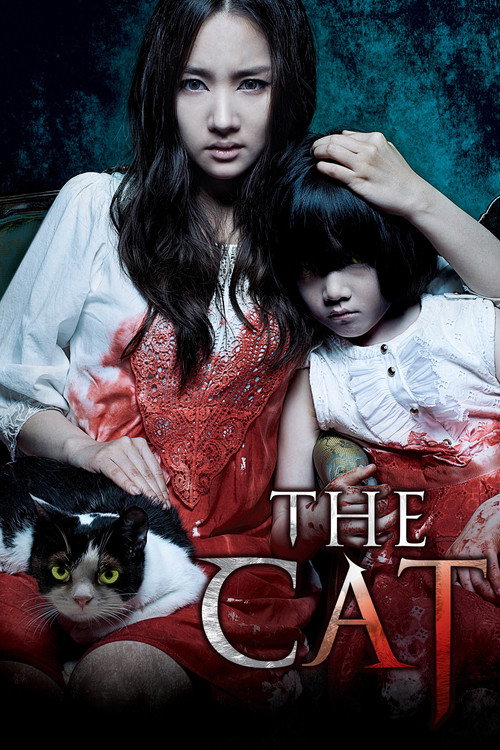
The Cat
2011
No user ratings available yet
Diversity score: 4.3 out of 10
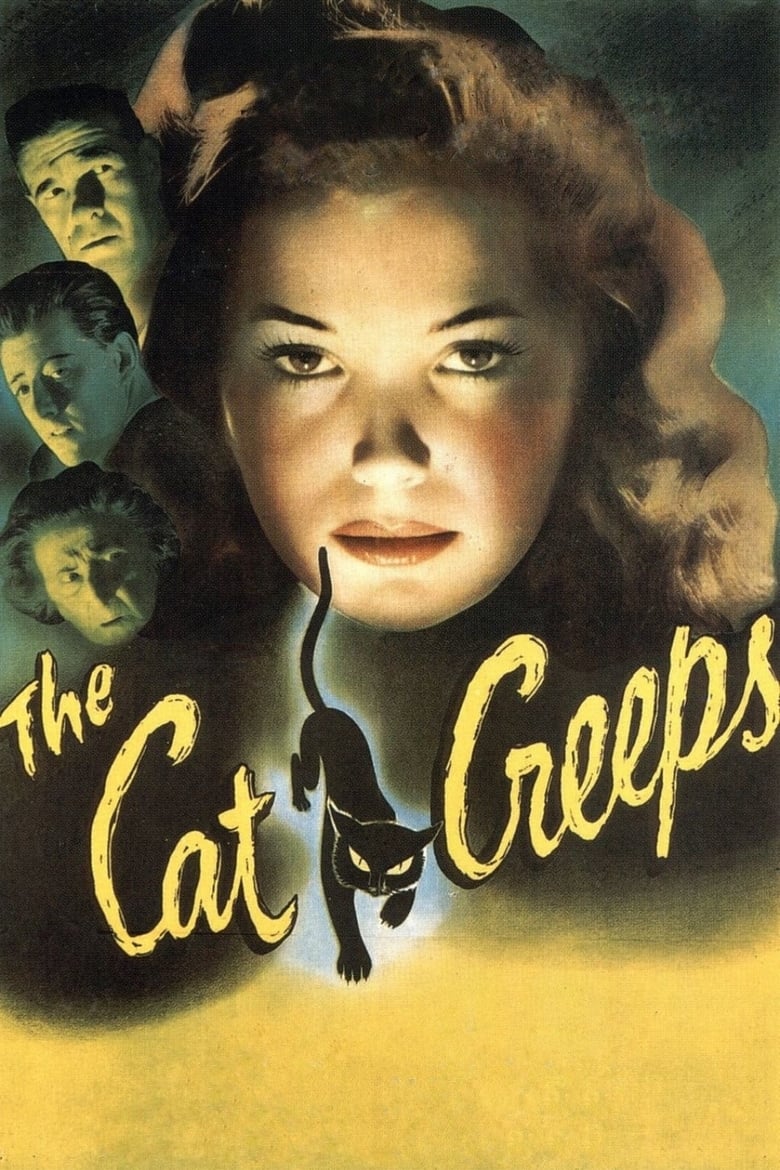
1946
ApprovedDirector
Erle C. Kenton
Runtime
58 minutes
Average Rating
No ratings yetSynopsis
A black cat is suspected of being possessed by the spirit of a elderly murdered woman.
Overall Score
Limited
Category Breakdown
LGBTQ+ Representation
The film lacks any evidence of non-heteronormative identities or queer narratives. This absence aligns with the strict industry censorship of 1946, which penalized such depictions.
Gender Representation
While the plot centers on a murdered elderly woman, female characters likely serve as victims or catalysts. There is little evidence of women exercising agency beyond traditional roles.
Racial & Ethnic Diversity
The production appears to follow the era's standard of homogeneous, Anglo-Saxon casting. No diverse cast or non-human metaphors for ethnic diversity are present in the narrative.
Religious & Cultural Diversity
The story relies on conventional supernatural tropes regarding spirit possession. It reinforces established notions of justice rather than critiquing Western institutions or promoting moral relativism.
Disability Representation
There is no nuanced exploration of neurodivergence or physical disability. Any mental or physical abnormalities likely function merely as plot devices to generate horror-driven tension.
Strengths
Areas for Improvement
AI Analysis
The Cat Creeps is a product of the 1946 studio system, adhering to the social and regulatory constraints of its time. The narrative follows traditional supernatural mystery conventions without attempting to subvert established hierarchies or introduce intersectional complexity. Representation is minimal across all categories. The film functions within a standard mid-century framework where characters typically fulfill conventional roles, such as victims or investigators, rather than challenging social norms. Ultimately, the film lacks the progressive narrative architecture required for a higher diversity rating, reflecting the homogeneous casting and moral frameworks common to the Golden Age of Hollywood horror.
2011
1964
1942
1965

1949
1931
1964
1968
1969
1961
1972
1982
No reviews yet. Be the first to share your thoughts on this movie!
Use the rating form above to leave a star rating and optional review.