
Unusual Tales
1949
No user ratings available yet
Representation score: 3.9 out of 10
Representation Score
Limited
1942
ApprovedDirector
William Nigh
Runtime
66 minutes
Average Rating
No ratings yetNew Showbiz Analysis
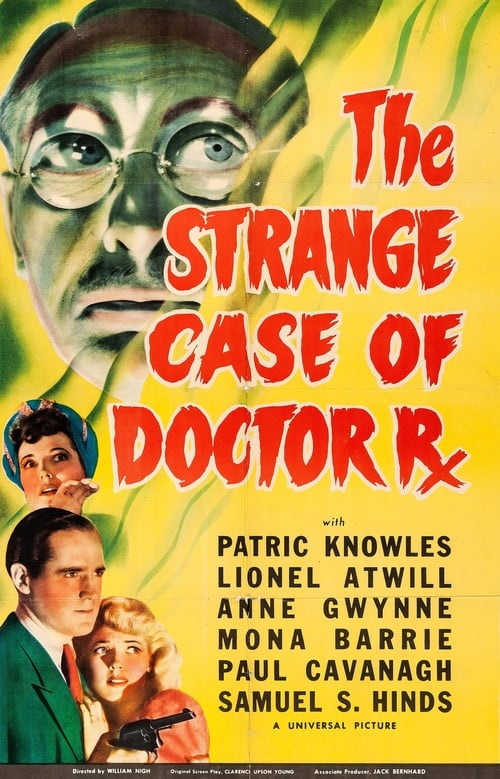
The film is a typical example of 1940s B-movie filmmaking, focusing on efficient storytelling within established genre clichés. It reinforces the social hierarchies of the time rather than challenging them. Representation is limited across all categories. The narrative centers on a male investigator and a homogeneous cast, offering little space for diverse perspectives or layered identities.
Category Breakdown
The film follows the social norms of the early 1940s, where everyone is assumed to be straight or cisgender. There are no representations of non-binary gender identities or same-sex relationships.
The main narrative focus is on the male protagonist, Jerry Church, who drives the story forward. Female characters play supporting roles, reinforcing the gender roles of the time.
The cast and setting reflect a uniform social environment. The story does not include diverse ethnic perspectives or challenge the racial norms of the era.
The plot follows a conventional Western framework of justice and law. It does not question traditional social values or prioritize secular themes.
Medical or psychological issues are used as plot devices rather than being explored in depth. There is no significant portrayal of neurodivergence or physical disabilities.
Present on Screen
Limited or Absent
Official Synopsis
Private eye Jerry Church is hired by a criminal defense lawyer after five mobsters he has gotten acquitted are apparently strangled by a serial killer.
1949
1943
1931

1933
1965
1944
1945
1946
No reviews yet. Be the first to share your thoughts on this movie!
Use the rating form above to leave a star rating and optional review.