
Spellcaster
1988
No user ratings available yet
Diversity score: 3.1 out of 10
1972
Director
Juan Ibáñez, Jack Hill
Runtime
89 minutes
Average Rating
No ratings yetSynopsis
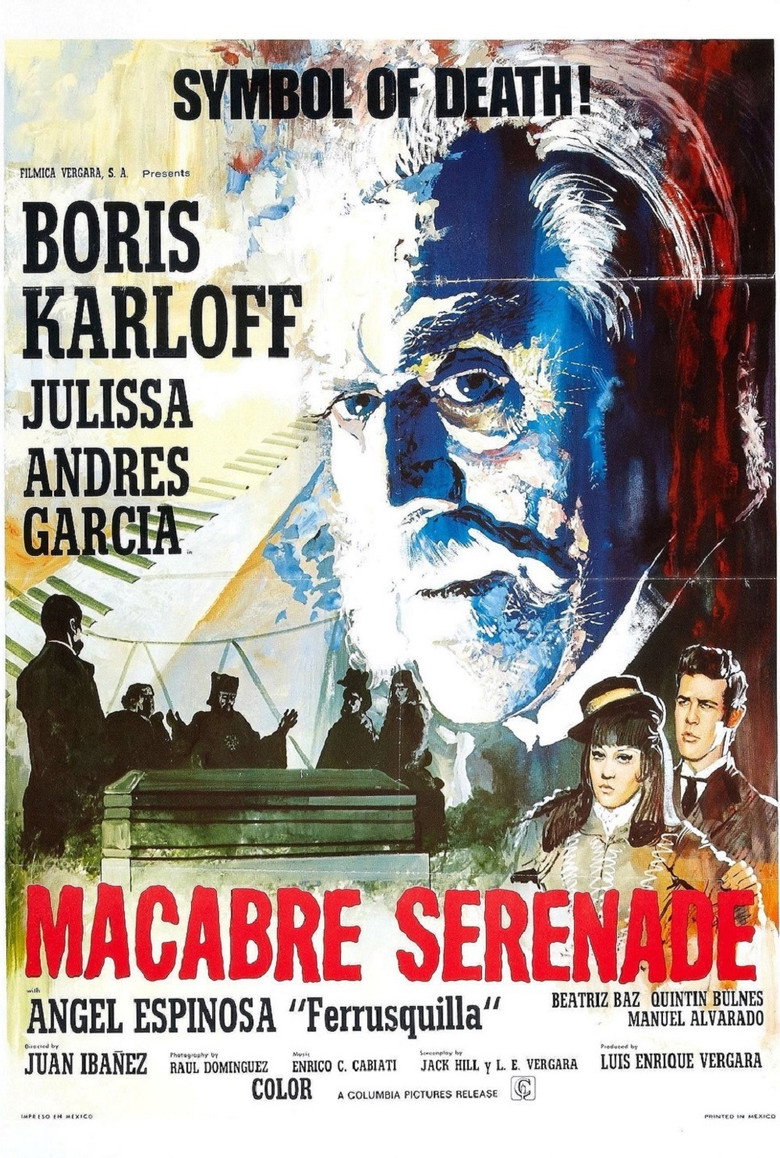
Relatives of a recently deceased man meet at his eerie castle for a reading of the will. They encounter a sinister piano player who turns out to be a toy maker, and his toys are imbued with murderous intentions.
Overall Score
Limited
Category Breakdown
LGBTQ+ Representation
The film lacks explicit depictions of non-cisnormative identities or same-sex intimacy. The narrative focuses on gothic mystery and supernatural elements rather than character arcs exploring gender identity or orientation.
Gender Representation
The story utilizes a traditional gothic setup centered on familial inheritance. While female characters often navigate high-stakes patriarchal environments in this genre, there is no evidence of them disrupting traditional hierarchies.
Racial & Ethnic Diversity
The setting and premise rely heavily on European gothic traditions. The ensemble appears to follow the homogeneous, Western-centric demographic norms typical of 1960s European and American genre cinema.
Religious & Cultural Diversity
The film explores mortality and the breakdown of the family unit. It leans toward traditional horror archetypes and moral ambiguity rather than offering a systemic critique of cultural structures.
Disability Representation
The plot features a sinister piano player and murderous toys. There is no evidence of characters with disabilities possessing agency, suggesting they may serve as mere atmospheric tools.
Strengths
Areas for Improvement
AI Analysis
Macabre Serenade operates as a conventional genre piece, prioritizing atmospheric tension and gothic mystery over social subversion. The creative direction blends Spanish horror with American exploitation, resulting in a narrative that adheres strictly to late-1960s cinematic tropes. The film lacks intersectional representation, focusing instead on established archetypes of the era. The cast and setting reflect a homogeneous, Western-centric worldview that avoids exploring diverse identities or systemic social critiques. Ultimately, the work functions as a traditional horror experience. It utilizes themes of death and domestic instability to build dread without providing meaningful agency to marginalized groups or diverse perspectives.
1988
1981
1965
1964
1946
1961
1934
1982
1996
1964
1973
1966
No reviews yet. Be the first to share your thoughts on this movie!
Use the rating form above to leave a star rating and optional review.