Curse of the Crimson Altar
1968
No user ratings available yet
Representation score: 0.4 out of 10
Representation Score
Limited
1964
Not RatedDirector
Robert Hartford-Davis
Runtime
86 minutes
Average Rating
No ratings yetNew Showbiz Analysis
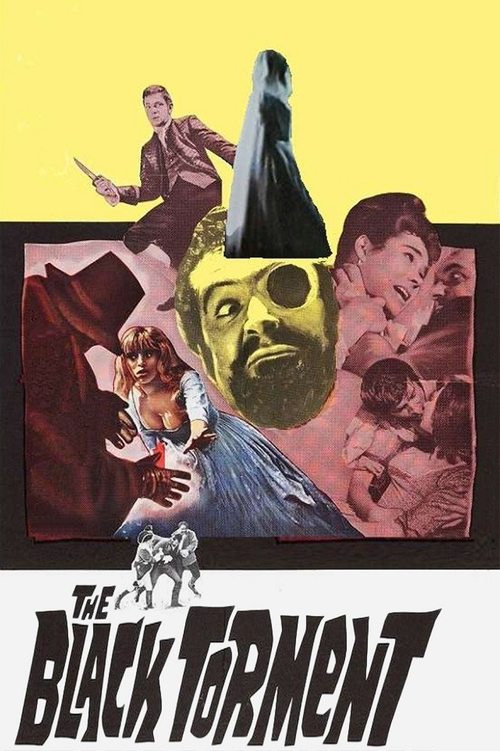
The Black Torment is a period-set mystery-horror film that closely follows the social and representational norms of the 1960s. The narrative is centered on traditional structures of lordship, lineage, and marriage, offering little deviation from the era's cinematic standards. The film's representation is limited by its focus on a Eurocentric aristocratic class and male-driven actions. The central mystery revolves around a lord's potential madness, which serves more as a genre cliché than a meaningful study of mental health. Ultimately, the film functions as a conventional genre piece. It uses historical settings to drive suspense without challenging or deconstructing established social, gender, or racial frameworks.
Category Breakdown
The film does not include any LGBTQ+ characters or themes. It operates within a framework that assumes everyone is straight.
The story centers around male-driven actions and motivations. A wife is present, but she does not play a significant role in driving the plot.
The film features actors who match the traditional Eurocentric aristocratic class. It does not blend different racial backgrounds or perspectives.
The story sets itself in an aristocratic context without engaging with critiques of Western institutions or organized religion.
Psychological instability is used as a plot device to create tension. There is no detailed exploration of neurodivergence or lived experiences.
Present on Screen
Limited or Absent
Official Synopsis
A lord returns to his manor with his new wife, to hear rumours that he had already secretly returned and had committed several murders. Has he lost his mind, or is something dark afoot ?
1968
1972

1981

1972

1966

1961
1965

1943
No reviews yet. Be the first to share your thoughts on this movie!
Use the rating form above to leave a star rating and optional review.