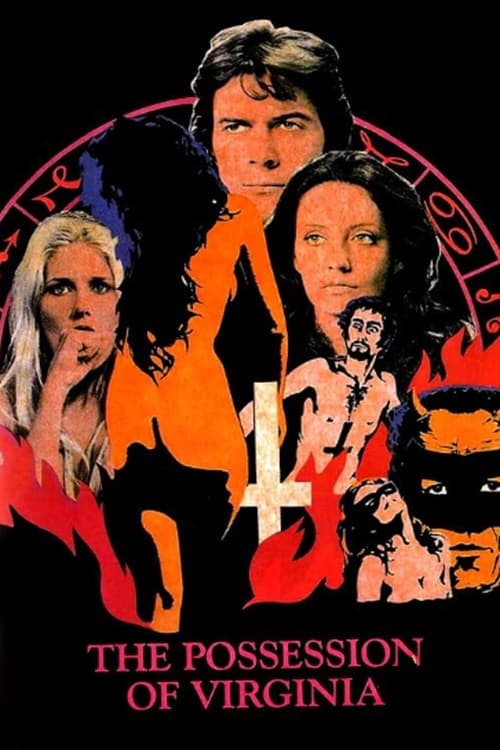
The Possession of Virginia
1972
No user ratings available yet
Representation score: 3.7 out of 10

Representation Score
Minimal
1961
ApprovedDirector
William J. Hole Jr.
Runtime
71 minutes
Average Rating
No ratings yetNew Showbiz Analysis
The Devil's Hand is a product of its time, emphasizing psychological tension and traditional social structures. It serves as a study of communal paranoia that reinforces established hierarchies rather than challenging them. The film relies on conventional mid-century gender roles and a homogeneous cast. This lack of diverse perspectives keeps the narrative within a narrow, traditionalist framework. Ultimately, the film uses supernatural fear to uphold moral binaries. It presents a cautionary tale of social dysfunction without engaging with systemic norms.
Category Breakdown
The film does not include any LGBTQ+ characters or narratives. Relationships and interpersonal dynamics stay within traditional mid-century social expectations.
Male characters hold positions of authority and take the lead in driving the plot. Female characters are often portrayed through a lens of vulnerability or suspicion, lacking autonomy and control over their own stories.
The cast is predominantly white, reflecting the cultural homogeneity of the time period. The story focuses on a culturally uniform community without incorporating diverse ethnic perspectives.
The story examines the collapse of social order through a lens of fear and mass hysteria. It upholds traditional moral binaries without challenging systemic institutions.
The film does not feature any characters with visible or invisible disabilities. It does not explore neurodivergence or physical disability in its character development.
Present on Screen
Limited or Absent
Official Synopsis
A man is haunted by visions of a beautiful woman. When he finally meets her, he winds up involved in a satanic cult.
1972

1972

1964
1943

1968

1966
1969

1975
No reviews yet. Be the first to share your thoughts on this movie!
Use the rating form above to leave a star rating and optional review.