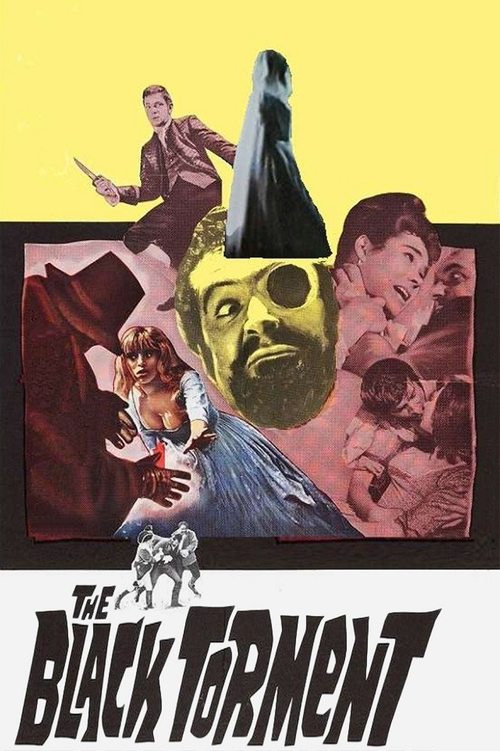
The Black Torment
1964
No user ratings available yet
Representation score: 3.1 out of 10
Representation Score
Minimal
1968
RDirector
Vernon Sewell
Runtime
87 minutes
Average Rating
No ratings yetNew Showbiz Analysis
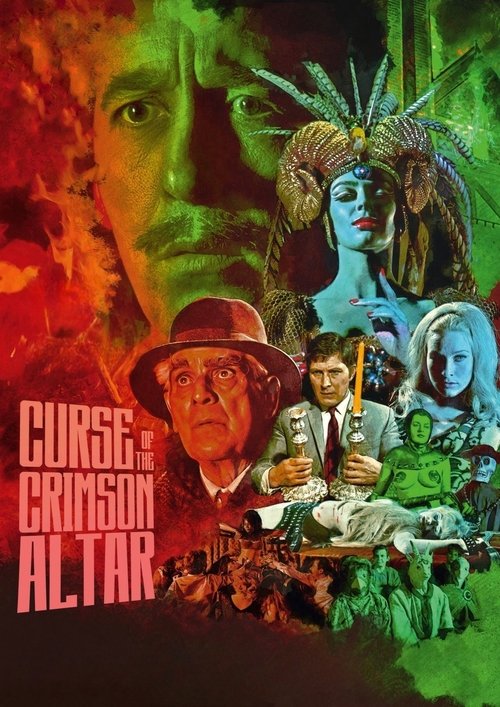
Curse of the Crimson Altar is a quintessential 1960s horror film that prioritizes atmospheric dread over social commentary. It adheres strictly to the genre conventions of its era, reinforcing existing social hierarchies rather than challenging them. The narrative relies on traditional archetypes, featuring a homogeneous cast and conventional gender roles. While women are central to the supernatural plot, the driving force of the investigation remains masculine. Ultimately, the film functions as a period-specific piece of supernatural horror. It lacks intentional efforts to include diverse identities, focusing instead on established clichés of the British horror tradition.
Category Breakdown
The film does not include any characters with LGBTQ+ identities or subtext. Character interactions follow traditional social structures without exploring non-traditional gender identities.
Female characters play central roles in the plot, but their influence is often limited to roles of victimhood. The investigative momentum remains largely driven by male protagonists.
The cast is homogeneous, reflecting a standard Anglo-Saxon social framework. There is no evidence of diverse ethnic ensembles or actors from different backgrounds.
Occult themes serve as a genre device rather than a critique of Western institutions. The narrative focuses on supernatural suspense without addressing systemic social issues.
There is no evidence of characters with visible or invisible disabilities. The film does not address neurodivergence or physical disability as a theme.
Present on Screen
Limited or Absent
Official Synopsis
When his brother disappears, a man visits the remote country house where he was last seen. While the host seems outwardly friendly and his niece more demonstrably so, there's a feeling of menace in the air with the overhanging legend of Lavinia Morley, the Black Witch of Greymarsh.
1964
1972
1959
1971
1963
1972
1982

1975
No reviews yet. Be the first to share your thoughts on this movie!
Use the rating form above to leave a star rating and optional review.